Transforming Urban Transport
Before 2013-14, India had only about 245 kilometres of metro network across five cities, limiting the efficiency of urban transport in major metropolitan areas. The Delhi Metro, however, has emerged as a crucial component of the city’s infrastructure, providing a reliable mode of transport for millions of commuters. The expectation was that the existing network would suffice for the growing population of New Delhi, but the increasing demand for efficient public transport necessitated further expansion.
Recent Developments
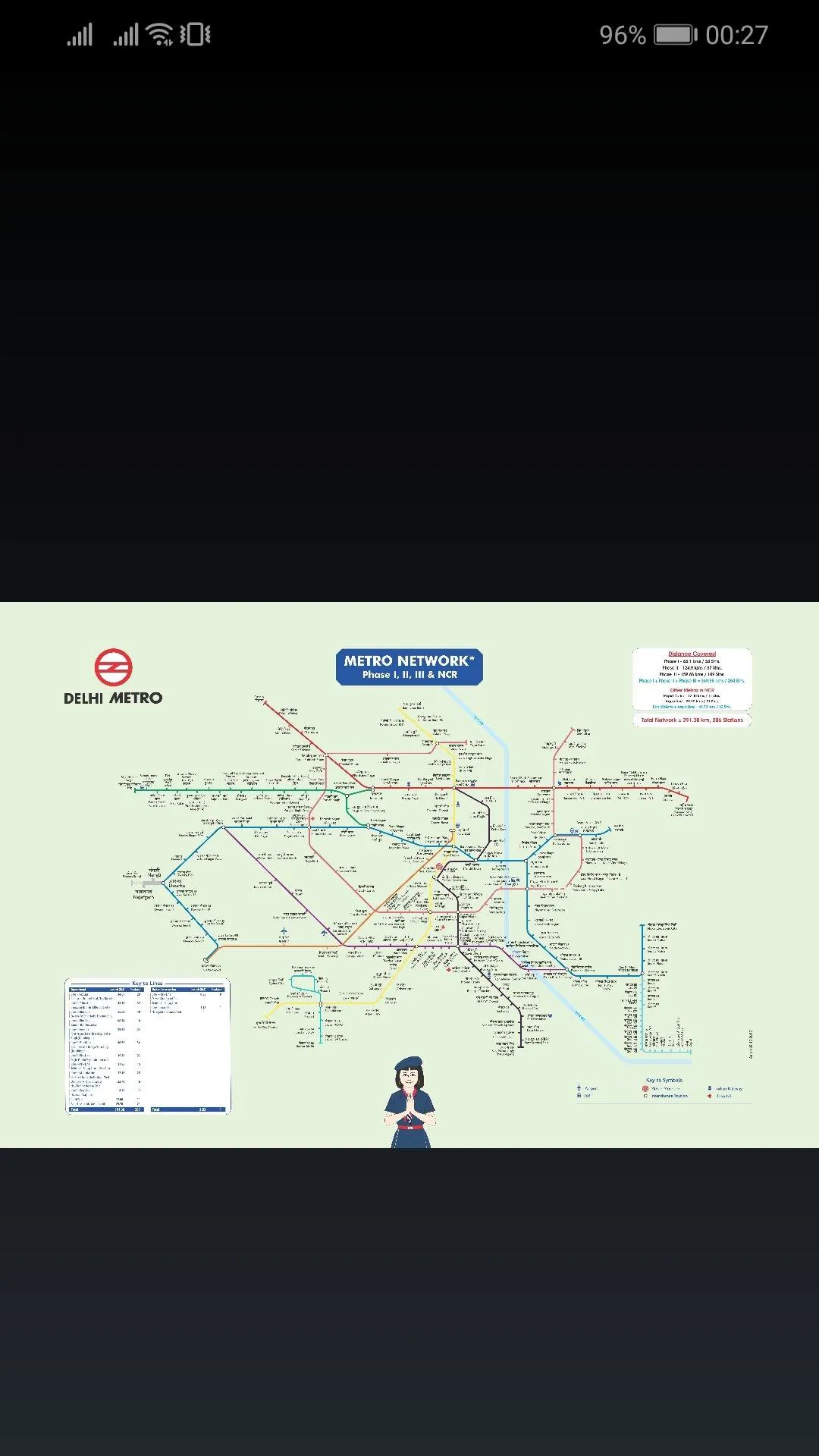
In a decisive moment for the city’s transport infrastructure, Prime Minister Narendra Modi inaugurated two new corridors of the Delhi Metro, marking a significant step in enhancing connectivity. The Majlis Park-Maujpur Babarpur corridor spans approximately 12.3 km, while the Deepali Chowk-Majlis Park corridor extends about 9.9 km. These new additions are part of a larger initiative, with three new corridors under Phase 5-A of the Delhi Metro announced, representing a total investment of around Rs 33,500 crore.
The immediate effects of these developments are profound. The new metro sections are expected to benefit several areas of Delhi, including Burari, Bhajanpura, and Yamuna Vihar, significantly improving the daily commute for residents. The Pink Line will now extend to about 71.56 km with the inclusion of these new corridors, further integrating the metro network across the capital and enhancing connectivity for residents traveling between Noida, South Delhi, and the airport.
Expert Insights
Experts have weighed in on the implications of this expansion. Manohar Lal remarked, “Metro rail has become the lifeline of Delhi and is helping commuters to save considerable travel time.” This sentiment underscores the importance of the metro in alleviating traffic congestion and providing a dependable alternative to road transport. Additionally, Rekha Gupta highlighted the engineering significance of these corridors, stating, “These metro corridors are also significant achievements from an engineering perspective,” reflecting the advancements in infrastructure development.
The expansion of the Delhi Metro is part of a broader trend in India, where the metro network has grown from just 245 kilometres before 2013-14 to a current length of approximately 1,100 kilometres. This rapid development signifies a commitment to modernizing urban transport and improving the quality of life for city dwellers. Prime Minister Modi emphasized the role of such projects in strengthening infrastructure, stating, “The projects launched today will strengthen infrastructure, improve connectivity and enhance the ease of living for people in the city.”
Future Prospects
Looking ahead, the Delhi Metro’s expansion is expected to continue, with plans for more corridors and enhancements to existing lines. The government is also planning to construct 9,350 modern flats for government employees under the GPRA redevelopment, indicating a holistic approach to urban planning that encompasses housing and transport. As the metro network grows, it will likely play an even more pivotal role in shaping the urban landscape of Delhi.
The recent developments in the Delhi Metro signify a transformative shift in urban transport, enhancing connectivity and improving the daily lives of millions. As the network continues to expand, it will be essential to monitor its impact on the city’s infrastructure and the commuting experience of its residents. Details remain unconfirmed regarding future expansions, but the current trajectory suggests a promising future for public transport in New Delhi.