Introduction
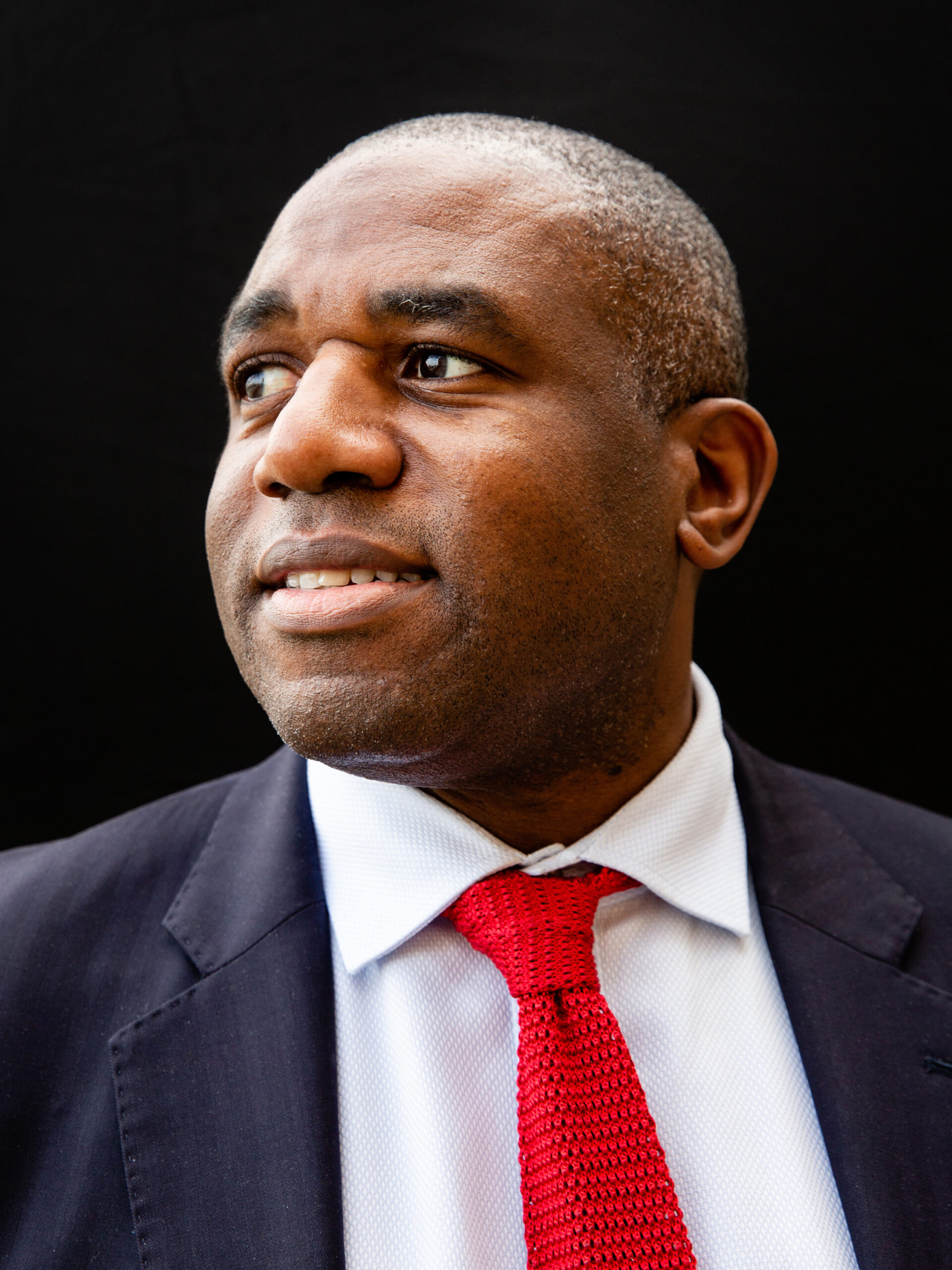
David Lammy has emerged as a prominent figure in UK politics, known for his advocacy on various social issues, commitment to diversity, and representation of the Labour Party. As a Member of Parliament (MP) for Tottenham since 2000, Lammy’s role has grown increasingly significant in the political landscape, especially since his appointment as Shadow Foreign Secretary in 2020. His perspectives on foreign policy, human rights, and equality resonate with many, making him a key political leader worth watching in the coming years.
Recent Developments
In September 2023, Lammy participated in a high-profile debate on international relations, focusing on the UK’s foreign policy direction post-Brexit. He emphasised the importance of strengthening ties with European allies and highlighted the need for diplomatic engagement in conflict zones like Ukraine and the Middle East. His remarks underscored a vision for a UK that upholds its commitments to global democracy and human rights, contrasting sharply with the government’s recent policies.
Additionally, Lammy has been vocal about the need for racial equality and justice in the UK, continuing to leverage his platform to advocate for systemic changes within the police and judicial systems. His recent statements following reports from the Equality and Human Rights Commission have sparked conversations about police reform and community relations.
Community Engagement and Legacy
Beyond Parliament, Lammy has made significant strides in community engagement. He frequently hosts town hall meetings to directly connect with his constituents, addressing their concerns on housing, education, and local health services. His commitment to listening to his constituents reflects a dedication to grassroots politics—an essential aspect of his leadership style that many of his supporters appreciate.
Furthermore, efforts to increase youth participation in politics have become a cornerstone of Lammy’s initiatives. Through outreach programmes and mentorship, he is actively working to inspire the next generation of leaders from diverse backgrounds, acknowledging the importance of representation in shaping the future of the UK.
Conclusion
David Lammy’s profile in UK politics is on the rise, driven by his unwavering commitment to social justice and international diplomacy. As he continues to advocate for meaningful reforms and engage with his constituency, many are keenly observing his trajectory within the Labour Party and the broader political arena. With upcoming elections on the horizon, Lammy’s influence may play a pivotal role in shaping Labour’s response to key national issues. His leadership may indeed herald a new era for the party, appealing to voters who prioritise integrity, equality, and visionary policies.