Introduction
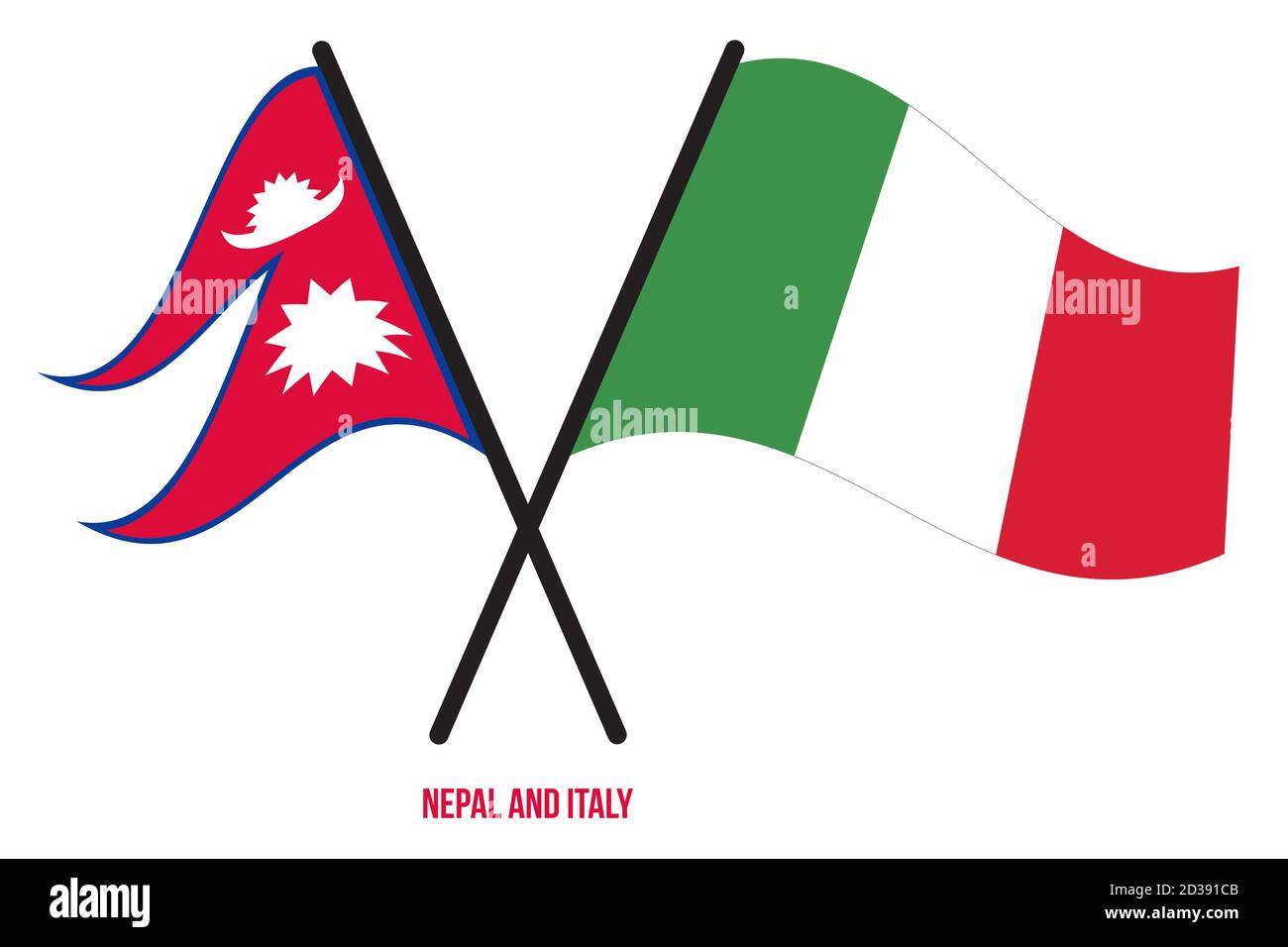
The comparison between Nepal and Italy highlights not only the differences in geography but also contrasts in culture, cuisine, and heritage. As countries from completely different continents, each has its own unique charm and significance on the global stage.
Geographical Context
Nepal, a landlocked country located in South Asia, is known primarily for its mountainous terrain, including the mighty Himalayas, home to Mount Everest, the highest peak in the world. With diverse landscapes that encompass plains, hills, and mountains, Nepal boasts a variety of climates and ecosystems.
Italy, on the other hand, is located in Southern Europe and is distinctive for its boot-shaped peninsula that extends into the Mediterranean Sea. The country is characterised by its iconic cities, such as Rome, Florence, and Venice, alongside stunning coastlines and the impressive Alps in the north.
Cultural Heritage
Nepal is rich in cultural diversity, with over 120 ethnic groups and a multitude of languages spoken. The country’s culture is deeply intertwined with its Hindu and Buddhist traditions, reflected in its festivals, architecture, and daily life. UNESCO World Heritage Sites, such as the Kathmandu Valley and Lumbini, draw visitors interested in spirituality and history.
Conversely, Italy is famed for its historical monuments, art, and culinary traditions. The country gave rise to Renaissance art and is home to countless museums and landmarks, including the Colosseum and the Vatican. Italian cuisine, renowned worldwide for its flavourful dishes like pasta and pizza, is an essential part of the national identity.
Recent Developments
In recent years, both countries have faced significant challenges and opportunities. Nepal is recovering from the 2015 earthquake that devasted parts of the country, working on rebuilding its infrastructure and promoting tourism through adventure sports and trekking. Italy, grappling with the impact of the COVID-19 pandemic, is focusing on reviving its tourism sector, which is a crucial part of its economy, through enhanced safety measures and cultural promotions.
Conclusion
The comparison of Nepal and Italy offers insights into two countries with rich histories and diverse cultures. While they may differ significantly in many aspects, both contribute uniquely to global heritage and tourism. Understanding these differences can enhance cultural appreciation and promote greater international cooperation and travel between the nations.