Introduction
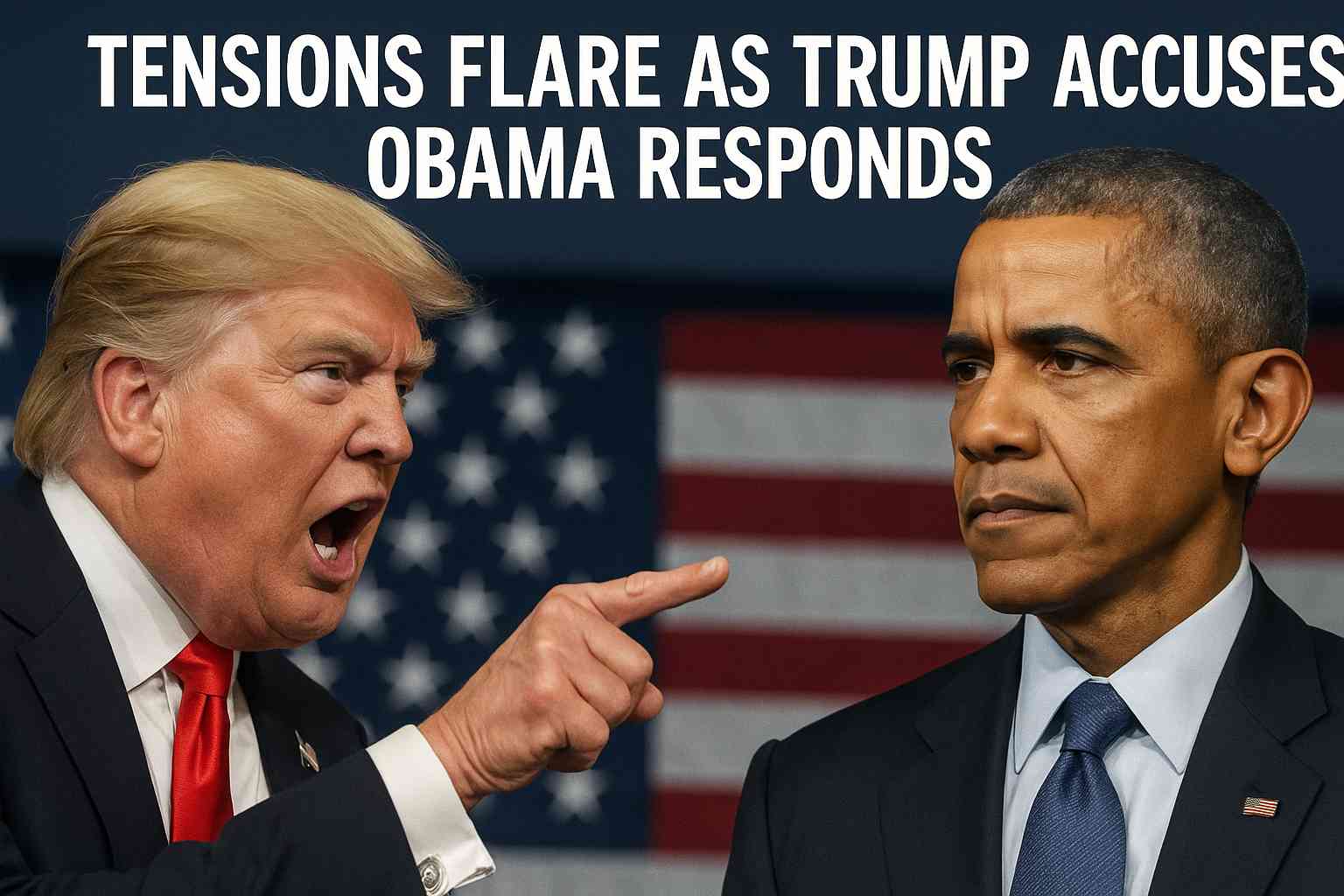
The political legacies of Donald Trump and Barack Obama continue to shape American society, influencing the nation’s policies and voter sentiments in significant ways. Understanding the contrasts between their administrations provides insight into the current political landscape and the future trajectory of the United States.
Key Policies and Achievements
Barack Obama, as the 44th President, served two terms from 2009 to 2017, overseeing the implementation of the Affordable Care Act, also known as ‘Obamacare,’ which aimed to provide more Americans with access to affordable health insurance. He also focused on climate change initiatives, such as the Paris Agreement, and worked to recover the economy following the 2008 financial crisis.
In contrast, Donald Trump’s presidency from 2017 to 2021 was marked by a strong emphasis on deregulation, tax cuts through the Tax Cuts and Jobs Act, and a nationalistic approach to immigration, including the controversial travel ban on several Muslim-majority countries. Trump also withdrew the US from several international commitments, including the Paris Agreement, which sparked debates about environmental policy.
Public Perception and Polling
Public perception of both presidents is deeply divided along partisan lines. According to a Gallup poll conducted in early 2023, Obama maintains a relatively high approval rating compared to Trump. Both leaders have their loyal bases, with Trump’s supporters especially enthusiastic, often citing his outsider status and economic focus. Meanwhile, Obama’s supporters cite his emphasis on inclusivity and healthcare reform as pivotal to his legacy.
Impact on the Democratic and Republican Parties
The legacies of Trump and Obama have profoundly affected their respective parties. Under Obama, the Democratic Party saw significant gains in diverse representation and progressive policies. Conversely, Trump’s influence has led the Republican Party towards a more populist and confrontational stance, driving a wedge between traditional conservatism and modern Republican ideologies.
Conclusion
The contrasting legacies of Trump and Obama serve not just as historical markers but as lenses through which current and future political dynamics can be understood. As the 2024 presidential elections approach, the debates over their policies and impacts continue to ignite discussions among Americans. The significance of their legacies—one advocating healthcare expansion and the other prioritising economic nationalism—will undoubtedly influence the direction of American politics for years to come.