How it unfolded
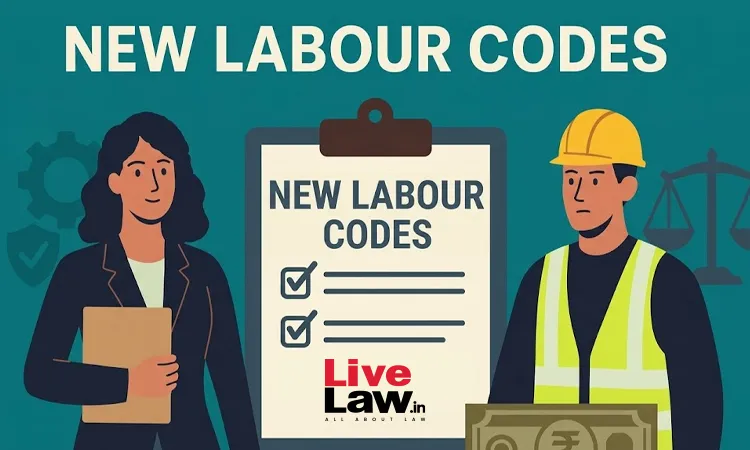
As the sun rose on a new decade, the landscape of labor laws in India began to shift dramatically. The introduction of the Occupational Safety, Health and Working Conditions Code in 2020 marked a pivotal moment, setting a maximum of eight working hours per day. This was a significant change from the previous regulations under the Factories Act of 1948, which allowed for a maximum of 48 hours of work per week and nine hours per day. The new Labour Codes aimed to extend protections not just to factory workers but to all establishments across various sectors, reflecting a growing recognition of workers’ rights in a rapidly changing economy.
In the months that followed, the Code on Wages, enacted in 2019, further solidified these changes by mandating overtime payment without any wage ceiling. This shift was not merely legislative; it was a response to the evolving nature of work in the digital age, where the lines between traditional employment and freelance or gig work have blurred.
Meanwhile, the legal landscape surrounding digital assets was also undergoing transformation. In a landmark ruling by the Karnataka High Court, it was determined that digital assets, including data and proprietary code, are owned exclusively by the company. Justice M. Nagaprasanna emphasized that “in the contemporary digital age, the assets of a Company are not confined to physical or movable property. They extend, in significant measure, to data, code and intellectual propriety.” This ruling underscored the importance of intellectual property in the modern economy and clarified ownership rights amidst rising concerns over data privacy and security.
As the legal framework evolved, the implications for shareholders became clear. The court ruled that a shareholder cannot claim ownership over a company’s assets to negate allegations of misappropriation. This decision reinforced the notion that the property of the company, whether tangible or intangible, vests solely in the company itself, thus protecting corporate integrity and fostering a more secure environment for investment.
In a parallel development, the Gujarat UCC Bill 2026 was introduced, aiming to replace religion-based personal laws with a uniform set of rules applicable to all citizens. This bill represents a significant step towards legal reform and social equality, echoing the sentiments of many who advocate for a more cohesive legal framework that transcends religious boundaries. The idea of a Uniform Civil Code is enshrined in Article 44 of the Indian Constitution, and the bill’s introduction has reignited discussions about personal rights and societal norms.
Uttarakhand had already made history in 2024 by becoming the first Indian state to pass a Uniform Civil Code law, setting a precedent for others to follow. The Gujarat UCC Bill not only prohibits bigamy but also mandates the registration of live-in relationships, reflecting a modern approach to personal laws. However, it is important to note that the provisions of this bill will not apply to Scheduled Tribes and certain protected groups, indicating the complexities involved in implementing such sweeping reforms.
As of now, the landscape of labor laws and digital asset ownership in India is in a state of flux. The new Labour Codes have begun to reshape workplace dynamics, while the legal rulings on digital assets have clarified ownership rights in an increasingly digital economy. These developments are crucial for workers, companies, and shareholders alike, as they navigate the implications of these changes.
The significance of these events cannot be overstated. For workers, the new regulations promise better working conditions and fair compensation. For companies, the clarity on digital asset ownership fosters innovation and investment. And for society at large, the push towards a Uniform Civil Code represents a step towards greater equality and justice. As India moves forward, the interplay between labor laws and digital assets will undoubtedly shape the future of work and ownership in profound ways.