Key moments
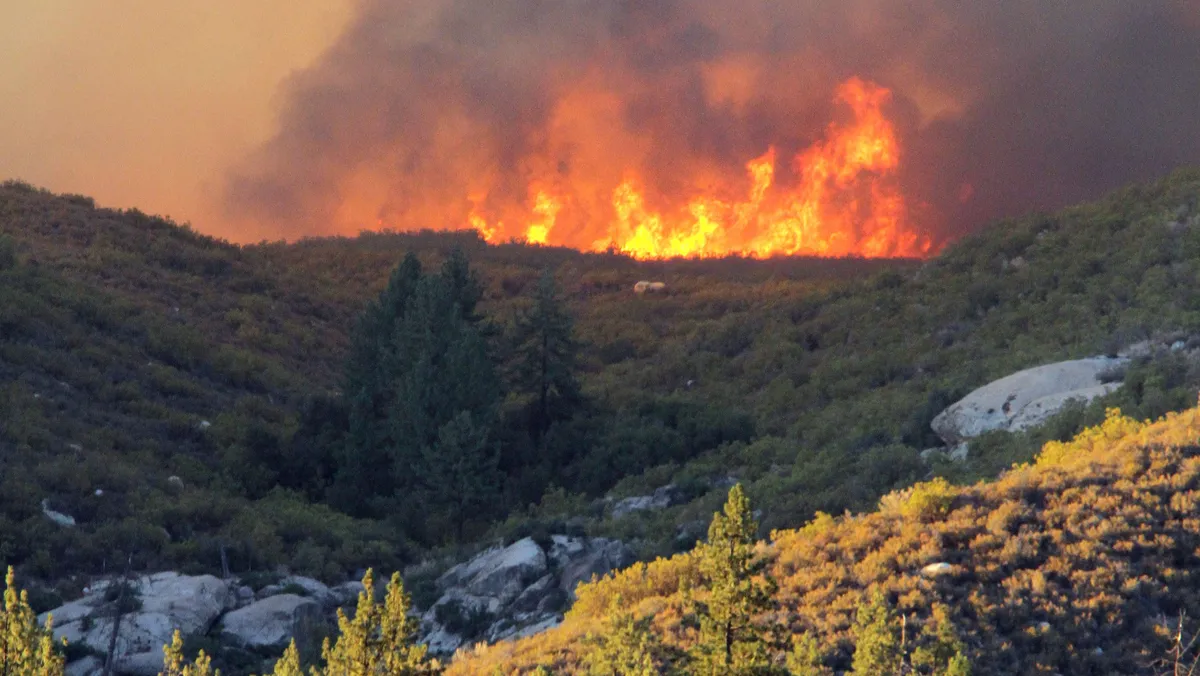
In a stark reminder of the escalating impacts of climate change, recent studies reveal that human activities have significantly increased the likelihood of extreme weather events. A comprehensive analysis shows that climate change has at least doubled the risk of extreme heatwaves, as evidenced by the devastating European heatwave in 2003, which claimed the lives of approximately 70,000 people. This alarming trend underscores the urgent need for global action as we face an unprecedented climate crisis.
According to the Carbon Brief map, a staggering 74% of extreme weather events studied were made more likely or severe due to climate change. This includes a wide range of phenomena, from intense storms to prolonged droughts, affecting millions of lives worldwide. The data reveals that 85% of the extreme weather events included in the map were influenced by human-caused climate change, painting a grim picture of our current reality.
As we delve deeper into the statistics, the Earth’s energy imbalance has reached a new high in 2025, indicating that our planet is absorbing more heat than it is releasing. The global near-surface temperature is now 1.43 ± 0.13 °C above the pre-industrial average, a stark reminder of the warming that has occurred since the late 19th century. Additionally, ocean heat content has reached unprecedented levels since records began in 1960, further exacerbating the impacts of climate change.
The consequences of these changes are not merely theoretical; they are manifesting in real-world crises. For instance, Peru experienced a severe dengue outbreak in 2023, with over 22,000 infections reported and 381 dengue-related deaths by July. Experts estimate that 60% of these cases were linked to extreme rainfall caused by Cyclone Yaku, illustrating the direct connection between climate change and public health emergencies.
Human activities are increasingly disrupting the natural equilibrium, and as Celeste Saulo, a prominent climate scientist, warns, “we will live with these consequences for hundreds and thousands of years.” The urgency of addressing climate change cannot be overstated, as global leaders face mounting pressure to take decisive action. Mr. Guterres, the UN Secretary-General, emphasizes that “climate chaos is accelerating and delay is deadly,” highlighting the critical need for immediate intervention.
The study of extreme event attribution, which began in 2004 with research on the European heatwave, has evolved to provide clearer insights into the role of climate change in specific weather events. This scientific advancement allows us to pinpoint the impact of climate change on phenomena like the recent dengue outbreak in Peru. As Prof. Erin Mordecai notes, “This is the first time scientists have been able to pinpoint the role of climate change and precisely measure the impact of a particular storm on dengue.”
As we confront the reality of climate change, the need for collective action has never been more pressing. Communities around the world must come together to address the root causes of climate change and implement strategies for adaptation and resilience. The time for debate has passed; we must act decisively to mitigate the impacts of climate change and protect our planet for future generations.