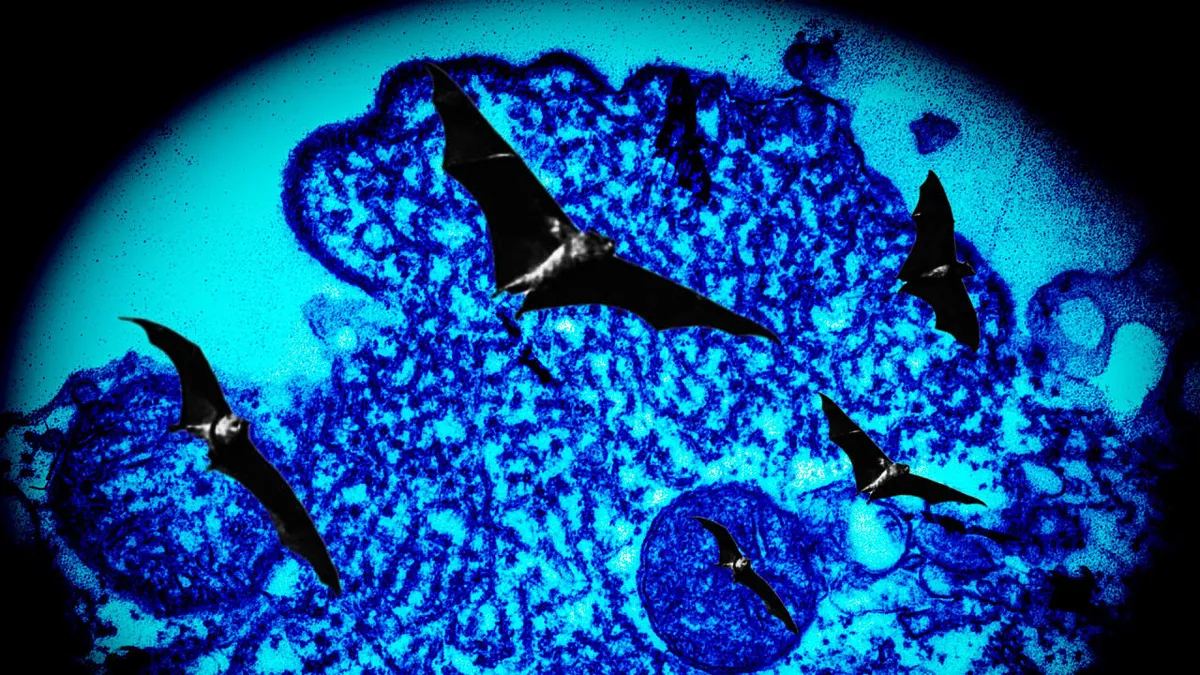
The cicada COVID variant, known as BA.3.2, is causing alarm as it spreads across the United States. With its potential to evade immunity from vaccines and prior infections, this heavily mutated strain poses significant public health challenges. As of February 2026, BA.3.2 has been detected in at least 25 states, raising concerns among health officials and the public alike.
First identified in South Africa in November 2024, BA.3.2 has since made its way to at least 23 countries, including the U.S., where it was first detected in June 2025 in a traveler returning from the Netherlands. This variant is characterized by an astonishing 70 to 75 mutations in its spike protein, which may reduce the effectiveness of existing vaccines against infection, though they are still expected to provide protection against severe disease.
Health experts are closely monitoring the situation. Dr. Andrew Pekosz, a virologist, noted, “It has a lot of mutations that may cause it to look different to your immune system.” Despite these mutations, there is currently no evidence that BA.3.2 is causing more severe disease or hospitalizations compared to previous strains, according to Dr. Adolfo García-Sastre.
As the variant spreads primarily through inhalation of respiratory particles and prolonged face-to-face interactions, the CDC and WHO have classified BA.3.2 as a “variant under monitoring” since December 2025. This classification underscores the importance of continued vigilance in tracking its spread and impact.
Symptoms of BA.3.2 are similar to those of earlier COVID-19 strains, including cough, fever, sore throat, and fatigue. As the variant accounts for approximately 30% of cases in countries like Denmark, Germany, and the Netherlands, the urgency to understand its implications grows.
While the long-term impact of BA.3.2 on public health remains uncertain, vaccination efforts are still crucial. Pekosz emphasized, “Vaccination is still going to help limit cases,” even as the variant’s mutations may lead to reduced vaccine efficacy. As of now, about 3.7% of sewage samples nationwide have shown traces of BA.3.2, indicating its presence in the community.
Details remain unconfirmed regarding the exact reasons for the resurgence of BA.3.2, leaving health officials and the public with lingering questions. As the situation evolves, further developments are anticipated, and the need for continued research and public health measures remains paramount.