What observers say
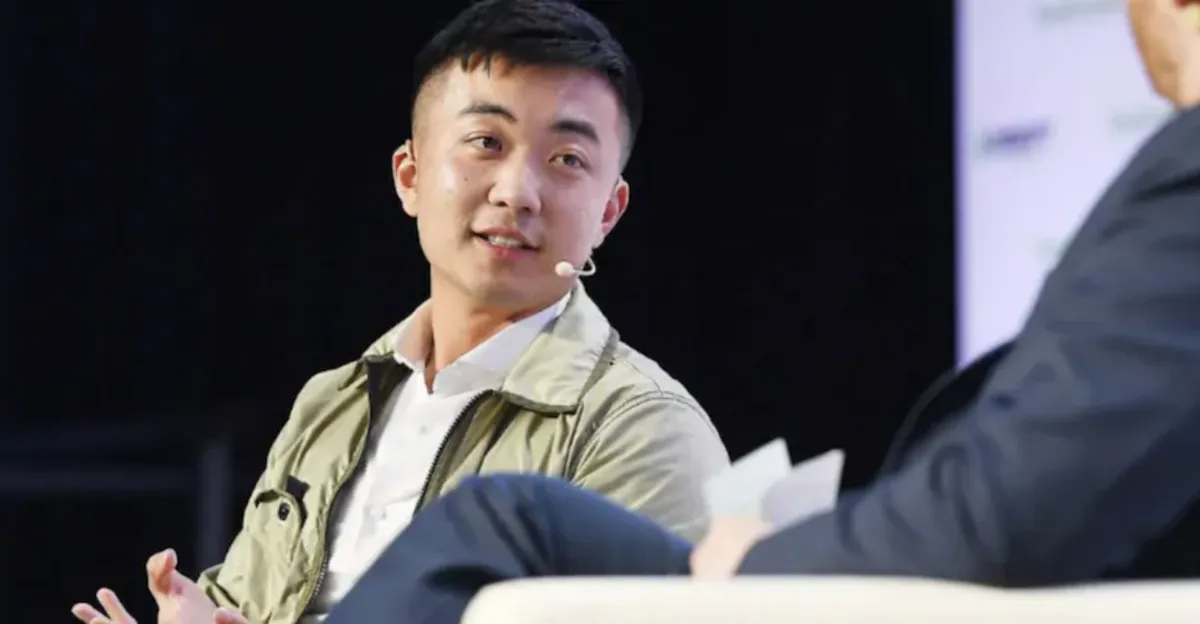
“In terms of AI in software, I think people should understand that apps are going to disappear,” declared Carl Pei, the co-founder of Nothing, during a thought-provoking session at the SXSW conference in Austin on March 19, 2026. His assertion marks a pivotal moment in the ongoing conversation about the future of technology and user interaction.
Pei’s comments come at a time when the smartphone experience has stagnated, with the same elements and app ecosystems dominating the landscape for nearly two decades. He believes that the current app ecosystem may not survive the transition to AI-first computing, as AI systems become increasingly adept at understanding user intent. “It’s very hard to get things done on a phone,” Pei lamented, highlighting the frustrations many users face with traditional smartphone interfaces.
The vision Pei paints is one where smartphones evolve beyond the constraints of conventional app layouts. He envisions a future where AI agents simplify tasks, allowing users to interact with their devices in a more intuitive manner. “I know you very well, and if I know your intention, I just do it for you,” he explained, suggesting a level of personalization and efficiency that could redefine how we engage with technology.
Nothing, the company Pei co-founded, has recently raised around 200 million dollars in Series C funding, achieving a reported valuation of 1.3 billion dollars. This financial backing underscores the confidence investors have in Pei’s vision and the potential for innovation in the smartphone market. As Pei continues to push boundaries, he warns that startups relying on apps as their core value will face disruption in this rapidly changing landscape.
With Nothing’s operating system already allowing users to vibe code their own mini apps, the company is positioning itself at the forefront of this technological shift. Pei’s insights resonate with a growing sentiment that the way we use smartphones must evolve, particularly as AI technologies advance.
As the conversation around AI and smartphones unfolds, Pei’s predictions raise important questions about the future of app development and user engagement. Will the traditional app model become obsolete, or will it adapt to coexist with emerging AI technologies? Only time will tell, but Pei’s vision certainly sets the stage for a transformative era in mobile technology.
As we look ahead, the implications of Pei’s insights could reshape the entire smartphone industry, challenging developers and companies to rethink their strategies. The next steps in this evolution remain to be seen, but one thing is clear: the future of smartphones is likely to be driven by AI, fundamentally altering our relationship with technology.