Introduction
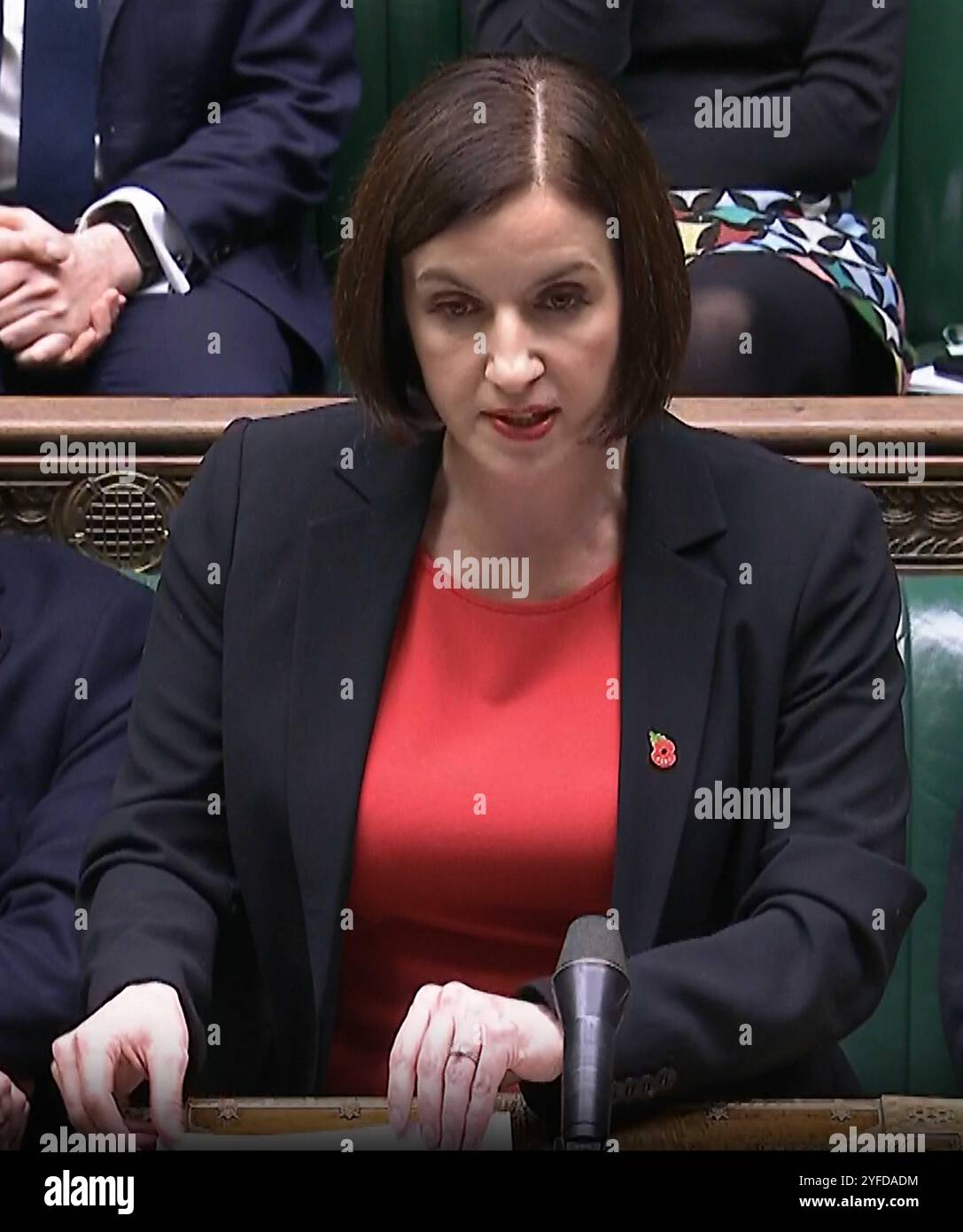
Bridget Phillipson, the Shadow Secretary of State for Education, has emerged as a prominent figure in the UK political landscape. Her role and policies are increasingly relevant, particularly as the nation navigates challenges in the education system, exacerbated by the lingering effects of the COVID-19 pandemic. Phillipson’s advocacy for education reform and equity speaks to a deeply felt need within communities, making her an essential subject of discussion in contemporary politics.
Career Overview
Bridget Phillipson has represented the constituency of Houghton and Sunderland South since 2012. With a background in political science and a commitment to public service, she quickly became known for her diligence and dedication to local issues. Her ascent within the Labour Party has been characterized by a focus on education, child welfare, and economic policy. In her current role, she is responsible for shaping the party’s educational policies in opposition, particularly in the face of government cuts and ongoing debates about curriculum reforms.
Recent Developments
In recent months, Phillipson has been vocal about the need for increased funding for schools, advocating for equitable resources to help all students succeed, regardless of their background. In a recent statement, she highlighted the importance of providing teachers with the support they need to deliver high-quality education, reflecting a growing concern among educators about the sustainability of current funding models. Under her leadership, Labour is positioning itself as a party of education reform, stressing the importance of addressing educational inequalities that have widened during the pandemic.
Community Engagement
Bridget Phillipson is also noted for her grassroots engagement with local communities. She frequently visits schools and educational institutions, gathering insights and feedback directly from parents, teachers, and students. This approach not only enhances her understanding of local challenges but also strengthens her connection with constituents. Moreover, her recent social media campaigns aim to amplify the voices of young people in her constituency, encouraging their participation in political discourse.
Conclusion
As a formidable advocate for education, Bridget Phillipson remains a key figure within the Labour Party and British politics at large. Her focus on bridging gaps in educational equity and reforming policy reflects the pressing concerns of many constituents and serves as a bellwether for future political strategies. With upcoming elections on the horizon, her influence and vision for the education sector could play a pivotal role in shaping Labour’s policies and the overall political landscape in the UK. For those invested in the future of education and social equity, Phillipson’s initiatives are worth watching closely.