Introduction
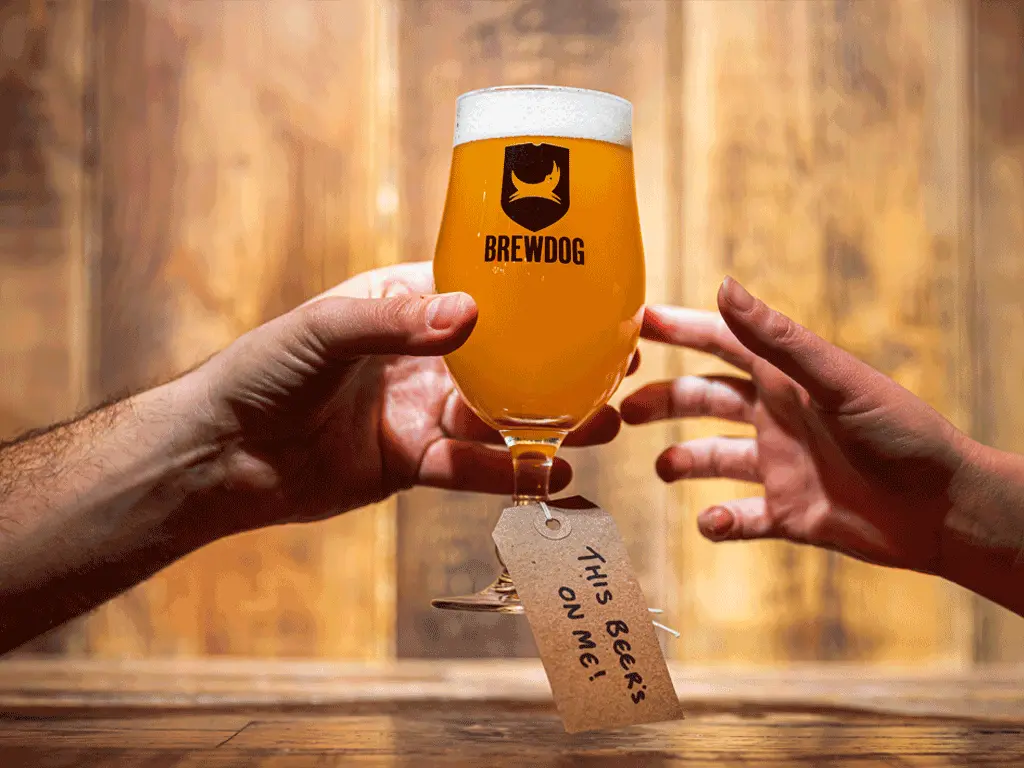
BrewDog, the Scottish craft brewery founded in 2007 by James Watt and Martin Dickie, has become a significant player in the global beer market. With an emphasis on quality, innovation, and sustainability, BrewDog’s impact on the craft beer landscape is undeniable. With over 140 bars worldwide and a range of popular beers, BrewDog not only pioneered craft brewing in the UK but has also raised awareness about environmental sustainability in the industry.
Expansion and Popularity
Since its inception, BrewDog has expanded remarkably, appealing not just to craft beer enthusiasts but also to a broader audience. The brewery’s successful crowdfunding efforts through Equity for Punks has allowed fans to invest in the brand, fostering a loyal customer base. The brewery’s flagship beers, including the iconic Punk IPA, have helped it secure a place in the competitive craft beer market, often ranked among the top beers in the UK and beyond.
Sustainability Efforts
In recent years, BrewDog has placed a considerable emphasis on sustainability. The company aims to become carbon negative by 2024, implementing various initiatives to reduce its environmental footprint. Strategies include converting waste into energy, sourcing ingredients locally, and introducing eco-friendly packaging. BrewDog’s commitment to sustainability has resonated with consumers, reflecting a growing trend in the food and beverage industry where customers prefer brands that demonstrate social responsibility.
Current Events and Controversies
In 2023, BrewDog has faced scrutiny surrounding workplace culture, with allegations of a toxic environment and mismanagement. The company’s founders have taken steps to address the claims, actively engaging with current and former employees to foster a more inclusive atmosphere. As BrewDog navigates these challenges, it highlights the importance of transparency and accountability in leadership, particularly in significant companies.
Conclusion
BrewDog stands as a testament to the power of innovation in the craft beer sector and the importance of sustainability in the modern business landscape. Its commitment to quality and social responsibility presents both challenges and opportunities moving forward. As consumer preferences shift towards environmentally conscious brands, BrewDog’s achievements and struggles will likely influence the wider industry dynamics. Craft beer lovers and investors alike will be watching closely how BrewDog adapts to ensure continued success in its mission to revolutionise the beer industry.