Introduction
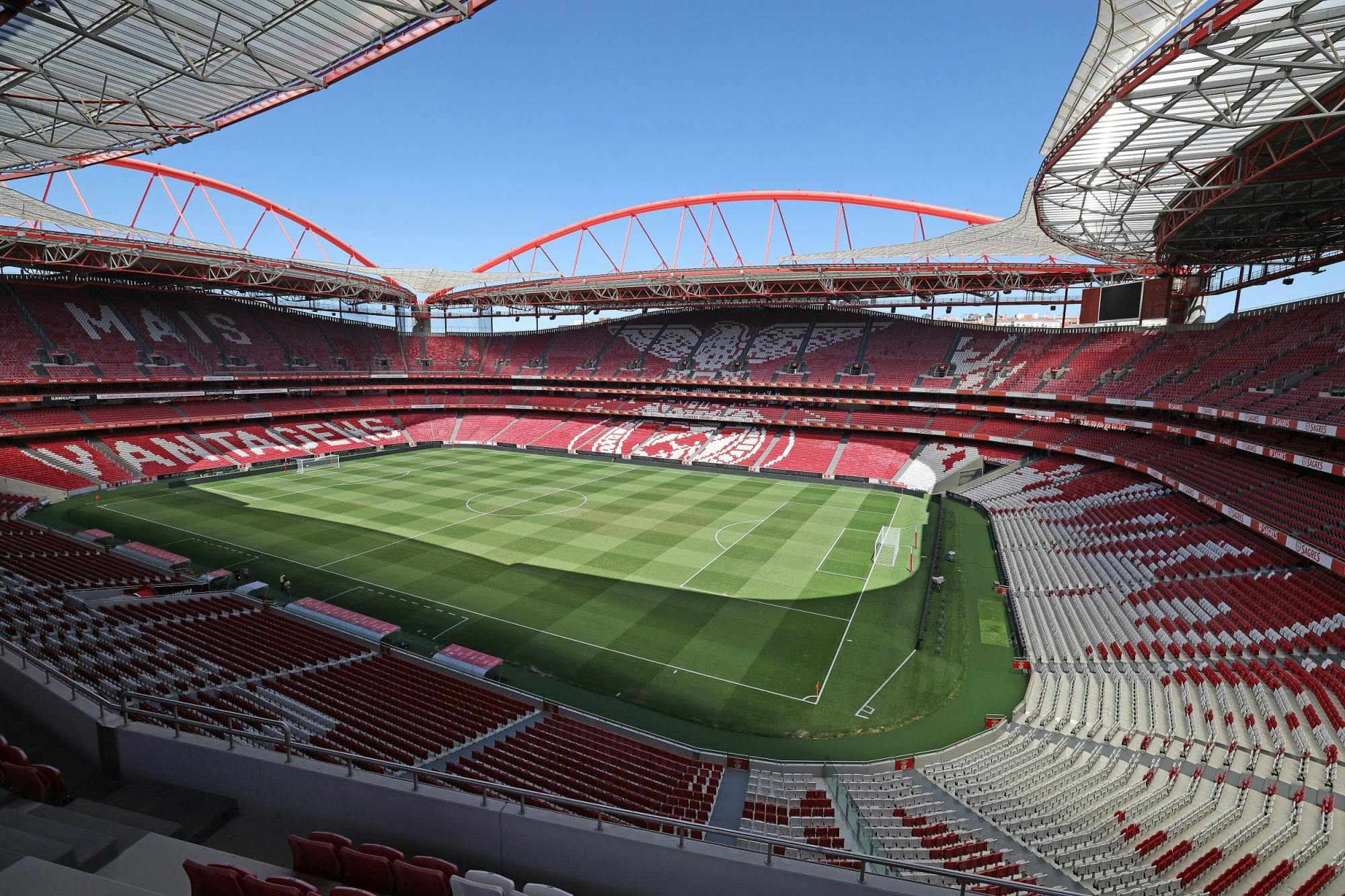
The Estádio da Luz, commonly known as Benfica Stadium, is more than just a sports venue; it is a symbol of pride for one of Portugal’s most successful football clubs, Sport Lisboa e Benfica. Opened in 2003, this modern stadium not only serves as the home ground for Benfica but also holds significant cultural and economic importance in the region. Its capacity of over 64,000 makes it one of the largest stadiums in Europe, attracting fans from all around the world.
Significance of Benfica Stadium
Benfica Stadium has been pivotal in the development of Portuguese football, representing the passionate spirit of its supporters. The venue is not just used for football matches; it has also hosted numerous events beyond sporting, including concerts by international artists. Recently, the stadium welcomed thousands of fans for the UEFA Euro 2024 qualifying matches, demonstrating its ability to host high-profile events and unite diverse crowds.
Recent Events and Developments
In recent months, Benfica Stadium has and will host a series of monumental matches that are expected to solidify its reputation as a premier football destination. The club’s strong performance in the Primeira Liga has re-energised its fan base, with increasing attendance figures reported at home games. On the international stage, Benfica completed the construction of a new training facility adjacent to the stadium, enhancing player development resources and improving fan engagement opportunities.
Conclusion
With its rich history and modern facilities, Benfica Stadium represents a bright future for both the club and its supporters. As Benfica continues to excel in domestic and continental competitions, the stadium will remain a pivotal location for football in Portugal. Future advancements, including potential renovations and expanded community programmes, promise to deepen the stadium’s role in the local community, ensuring it remains an iconic landmark for generations to come.