Introduction
The recent elections in Bangladesh have garnered significant attention both domestically and internationally. As a pivotal moment for the country’s political landscape, the election results not only reflect the will of the Bangladeshi people but also set the tone for future governance, policy-making, and international relations. In a nation where democracy is still evolving, the implications of these results are profound.
Election Details
The elections held on January 7, 2024, marked a crucial point in Bangladesh’s political journey. With over 170 million eligible voters, the turnout was reported at approximately 70%. The ruling Awami League (AL), led by Prime Minister Sheikh Hasina, faced stiff competition from the Bangladesh Nationalist Party (BNP) and several other smaller parties. Initial reports indicated a mixed outcome, with the AL managing to retain a majority, though significantly reduced compared to previous elections.
Key Highlights
- Award of Seats: The Awami League, despite facing allegations of voter suppression and electoral irregularities, won around 150 seats in the Jatiya Sangsad, while the BNP was reportedly able to secure around 80 seats.
- Voter Turnout and Participation: Engagement from younger voters seemed notably higher, reflecting a generational shift and increased interest in political participation.
- International Observations: Various international organisations and NGOs monitored the elections, highlighting issues concerning the fairness and transparency of the process.
Reactions and Implications
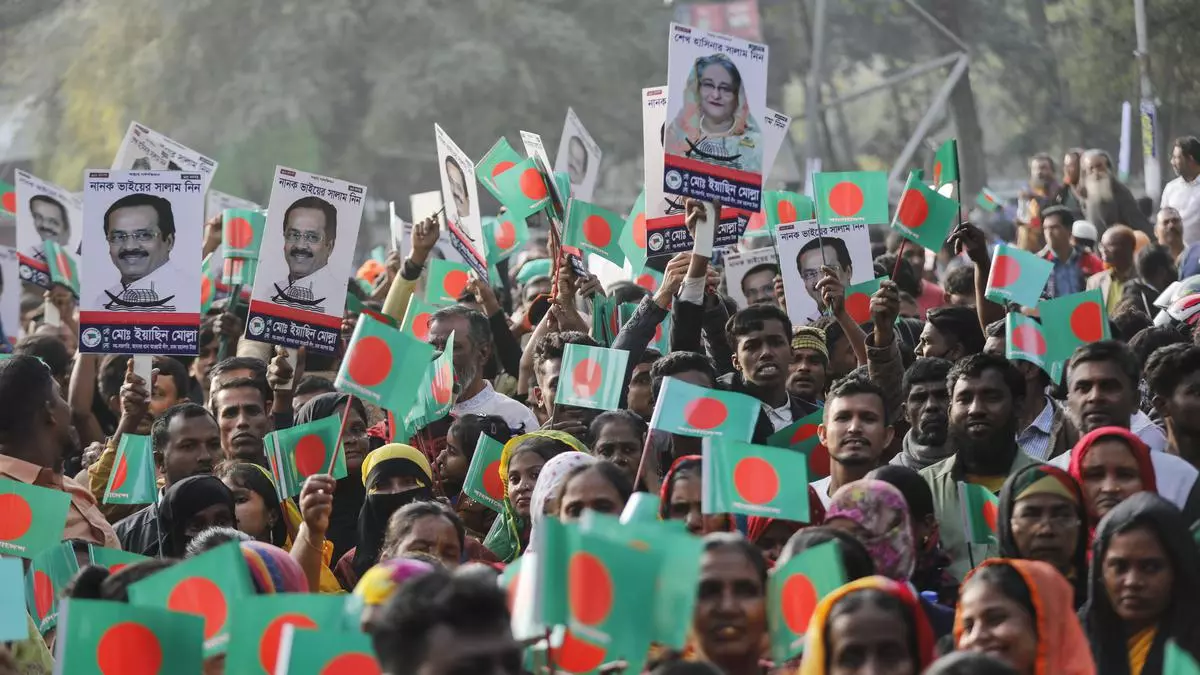
The election results have sparked a range of responses. Supporters of the Awami League celebrated the victory, viewing it as a mandate for continued development policies. Conversely, the BNP and other opposition parties expressed dissatisfaction over the conduct of the elections, calling for a review and protests against irregularities. International observers have urged for a comprehensive audit and recommended dialogues between rival political factions to ensure stability.
Conclusion
The significance of the Bangladesh election results extends beyond mere numbers. They represent a critical juncture for the nation’s democracy and development trajectory. Moving forward, the effectiveness of the government in addressing public concerns, the level of political discourse between parties, and foreign relations will greatly influence the stability and progression of Bangladesh. As the country navigates these turbulent waters, the focus will undoubtedly remain on how well the elected officials align with the will of the populace and work towards an inclusive future.