How it unfolded
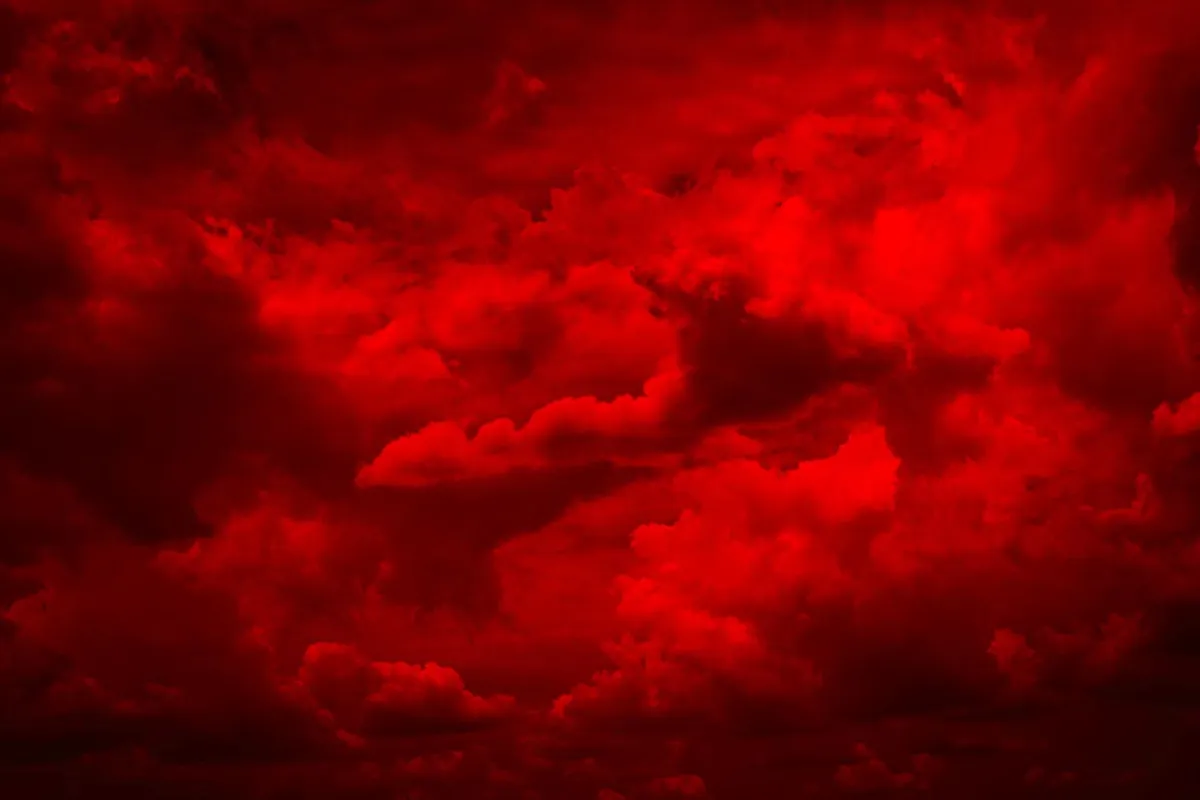
On March 30, 2026, residents of Western Australia were greeted with an unusual sight: a sky painted in deep shades of red. This striking phenomenon was not merely a visual oddity but a direct result of the atmospheric dust stirred up by Tropical Cyclone Narelle. As the cyclone made its way across the region, it brought with it winds that extended as far as 200-260 kilometers from its center, creating a rare dust storm that transformed the landscape.
The origins of Tropical Cyclone Narelle trace back to the Solomon Islands, where it formed approximately 2,000 kilometers northeast of Australia. As it traveled over 5,700 kilometers, the cyclone gathered strength and moisture, but the preceding weeks had seen the greater northwest region of Australia receive only 10-50 mm of rainfall. This lack of moisture set the stage for the cyclone’s unusual impact.
As Narelle approached the coast, it made landfall across three Australian states and territories, a relatively rare occurrence. NASA noted the significance of this event, emphasizing that such storms typically do not affect multiple areas in this manner. The cyclone’s winds, while damaging, were accompanied by an unexpected twist: the dust storms that ensued were fueled by the high levels of iron oxide present in the red soils of the Pilbara region.
Tom Gill, a local observer, remarked on the extreme nature of the dust levels, stating, “This is pretty extreme! It’s about the reddest dust levels I’ve ever seen.” His comments reflect the astonishment felt by many as they witnessed the sky transform into a vivid canvas of red hues. The atmospheric dust, rich in iron oxide, was responsible for this striking visual, creating an eerie yet captivating atmosphere.
For some, the cyclone brought a sense of foreboding. A holiday park owner shared their concerns, saying, “Not a lot of wind yet. Let’s hope we get enough rain to wash it all off. It’s an inside day for us, that’s for sure.” This sentiment echoed throughout the region as residents braced for the cyclone’s impact while hoping for rain to alleviate the dust and provide some relief.
The aftermath of Tropical Cyclone Narelle has left many pondering the implications of such weather phenomena. Dust storms caused by tropical cyclone winds are rare, especially in a country where cyclones typically bring heavy rainfall. The juxtaposition of a cyclone’s destructive winds and the resulting red sky serves as a reminder of the complex interactions between weather systems and the environment.
As of now, the cyclone has passed, but the effects linger in the minds of those who experienced the event. The striking red sky may fade, but the memories of this rare weather occurrence will remain etched in the community’s consciousness. It serves as a testament to the unpredictable nature of Australia’s climate and the unique phenomena that can arise from its tropical cyclones.
In a world increasingly affected by climate change, events like Tropical Cyclone Narelle prompt discussions about weather patterns and their implications for the future. The red sky, while beautiful in its own right, is a stark reminder of the power of nature and the delicate balance of our environment.