Introduction to the Heatwave Conditions in Australia
Australia is currently experiencing an unprecedented heatwave, with temperatures soaring across the nation. This extreme weather event is not only a pressing environmental issue but also poses significant health risks to residents and threatens agricultural productivity. With reports of record-breaking temperatures and prolonged dry spells, the implications of this heatwave are extensive and warrant close attention.
Current Situation and Key Data
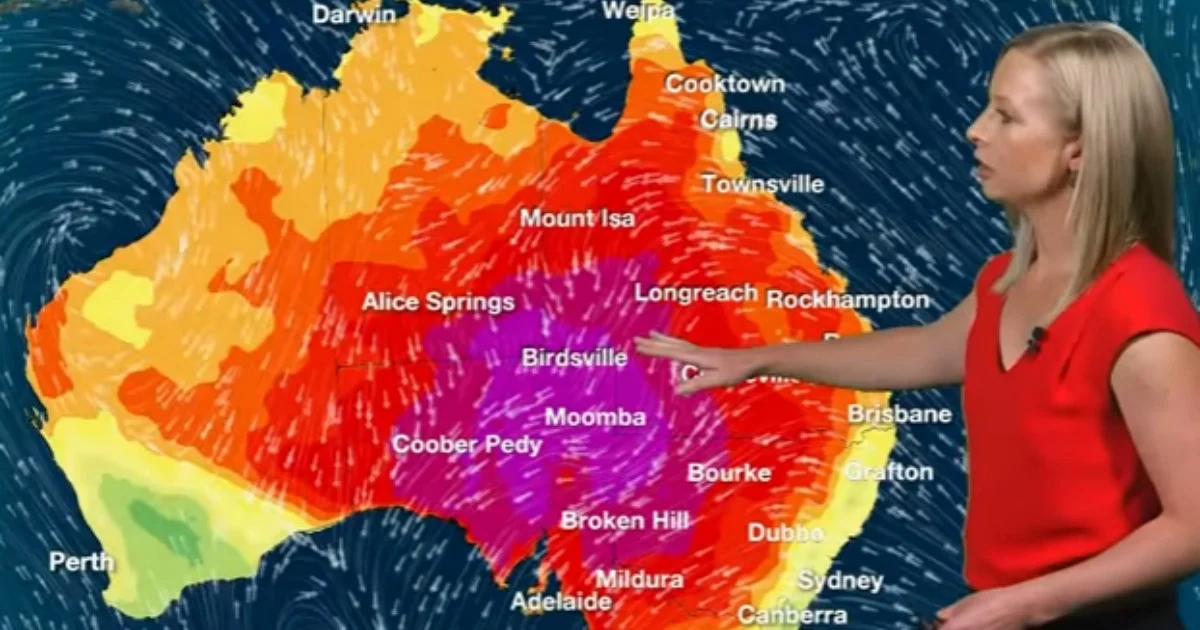
The Australian Bureau of Meteorology (BOM) reported that several regions, particularly in the Northern Territory, Queensland, and New South Wales, have already recorded temperatures exceeding 40 degrees Celsius (104 degrees Fahrenheit). Weather forecasts indicate that these extreme conditions are expected to persist throughout the coming weeks, with further increases predicted.
This heatwave has led to numerous health warnings from government authorities, advising individuals to stay indoors, stay hydrated, and monitor vulnerable populations such as the elderly and young children. Additionally, emergency services have reported increases in heat-related illnesses, including heat exhaustion and heat stroke.
Impact on Agriculture and Ecosystems
The agricultural sector has also been profoundly affected, with farmers facing the threat of crop failure and livestock distress due to the oppressive heat. The lack of rainfall accompanying the high temperatures has resulted in drought-like conditions, further exacerbating the challenges for those reliant on farming and livestock.
Furthermore, increased temperatures can lead to adverse environmental effects, including bushfire risks and deterioration of natural habitats. Environmental experts warn that the prolonged heat can significantly impact local wildlife and biodiversity, necessitating urgent action from both government and conservation agencies.
Conclusion and Future Implications
As Australia grapples with the ongoing heatwave, the need for comprehensive strategies to address climate change and its related impacts has never been more crucial. Experts anticipate that such extreme weather events may become more common in the future, highlighting the importance of climate resilience measures in urban and rural planning.
In conclusion, the current heatwave is a stark reminder of the vulnerabilities surrounding climate change and its tangible effects on daily life in Australia. As the nation prepares for further heat, coordinated efforts in public health, agriculture, and environmental protection will be vital in navigating these challenging conditions.