Introduction
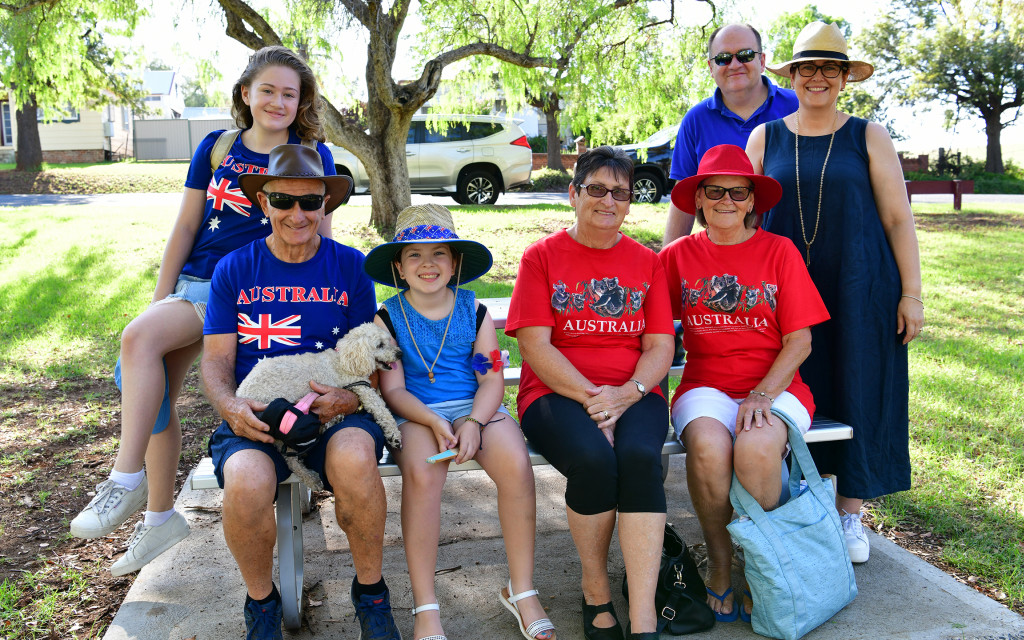
Australia Day, celebrated annually on January 26th, marks the arrival of the First Fleet at Port Jackson in 1788. It is a day of national significance, reflecting both pride in Australian culture as well as the complexities of its history. The celebrations involve various events, including community festivals, fireworks, and citizenship ceremonies, bringing together Australians from all walks of life.
Events and Celebrations in 2023
This year, Australia Day was observed with an array of activities across the nation. Major cities like Sydney, Melbourne, and Brisbane hosted large-scale parades, live music performances, and cultural showcases. Sydney Harbour dazzled with a stunning fireworks show, attracting large crowds both on land and at sea.
In Melbourne, families could enjoy a free concert at the Sidney Myer Music Bowl, featuring local artists that emphasized Indigenous cultures and their contributions to Australian identity. Brisbane celebrated with its traditional Riverfire event which, this year, incorporated themes of reconciliation and understanding, in line with an evolving national discourse.
Significance of Australia Day
While Australia Day is a day of revelry, it is also a time of reflection. Many Indigenous Australians observe January 26th as ‘Invasion Day’, marking it instead with protests against the historical injustices faced by First Nations peoples. Discussions about the date and its implications have echoed throughout the nation, with various advocacy groups calling for a reconsideration of the celebration of Australia Day.
As part of this discussion, there has been increasing support for the establishment of a date that is inclusive and respectful of all Australians, acknowledging the deep-rooted history of Indigenous communities. Surveys showed that a significant portion of the Australian public, particularly younger generations, are in favour of a more inclusive celebration that honors both Australia’s heritage and its varied cultures.
Conclusion
The significance of Australia Day continues to evolve. While celebrations are a reflection of national pride and community, the growing call for dialogue and change signals an important shift in societal views. As Australia moves toward greater inclusivity and understanding of its history, future Australia Day celebrations may adopt new themes that celebrate the nation’s diverse fabric while also recognizing the past’s complexities. The discussions sparked by this year’s events underscore the relevance of Australia Day as a moment for both celebration and contemplation on the journey towards a truly united nation.