Prior Expectations
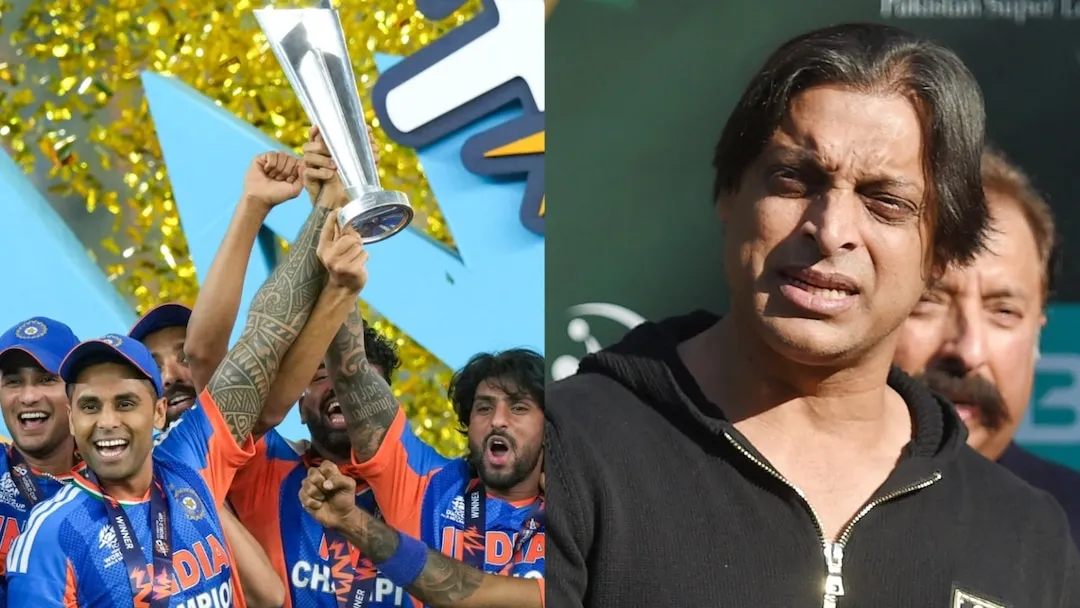
Before the T20 World Cup 2026 final, expectations were high for both India and New Zealand. India, having previously won the tournament in 2007 and 2024, was seen as a formidable opponent. The team, led by experienced players like Jasprit Bumrah and Sanju Samson, aimed to secure their third title and become the first team to win back-to-back T20 World Cups. New Zealand, on the other hand, was eager to claim their first T20 World Cup title, having reached the finals in previous tournaments but falling short.
Decisive Moment
The match, held on March 8, 2026, at the Narendra Modi Stadium in Ahmedabad, India, marked a turning point in the tournament’s history. India set a staggering total of 255 runs for 5 wickets, a score that would prove insurmountable for New Zealand, who were all out for 159 runs in just 19 overs. Sanju Samson’s explosive innings of 89 runs off 46 balls, which included eight sixes, was a standout performance that contributed significantly to India’s total. This match not only showcased India’s batting prowess but also highlighted their dominance in the tournament.
Direct Effects on the Teams
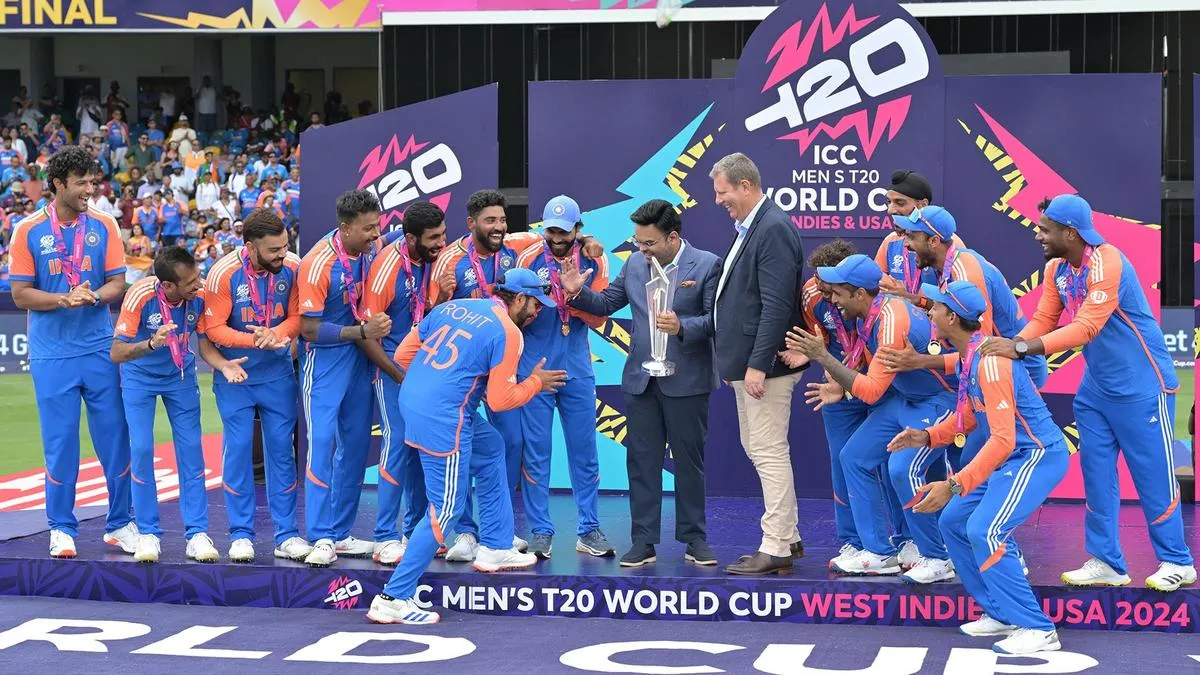
India’s victory had immediate implications for both teams. With this win, India became the first host nation to win the T20 World Cup on home soil, further solidifying their status as a cricketing powerhouse. The triumph also marked a historic achievement as India became the first team to win back-to-back T20 World Cups. For New Zealand, the loss was a bitter disappointment, as they had hoped to finally secure their first title after several near misses in previous tournaments.
Expert Perspectives
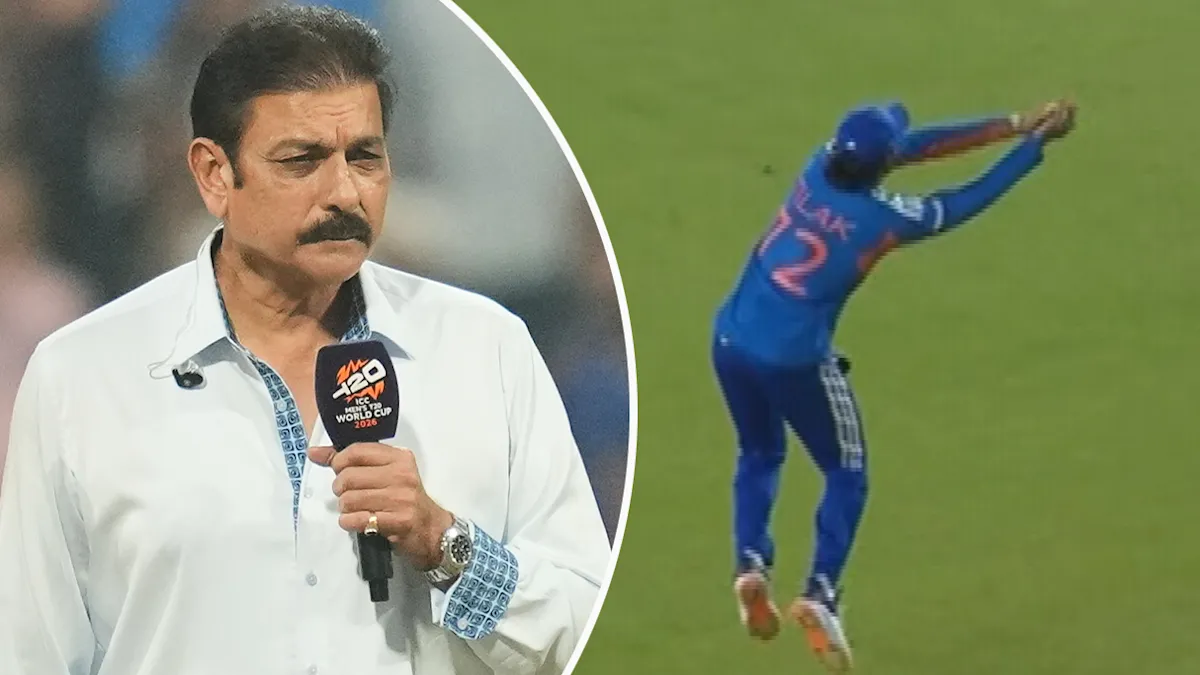
Experts in cricket analysis noted the significance of India’s performance in the final. Ravi Shastri, a former player and commentator, remarked, “And it’s all done actually, it’s India who win the World Cup for the third time.” This sentiment was echoed by Jasprit Bumrah, who expressed his joy at winning a final at his home venue, stating, “It feels extremely special because I have played one final at my home venue but couldn’t win that one, but this one feels really special.” Such perspectives underscore the emotional weight of the victory for the players and the nation.
Statistical Highlights
India’s achievement in the final was underscored by several key statistics. Their power play score of 92 runs is now the highest in T20 World Cup history, showcasing their aggressive batting strategy. Jasprit Bumrah’s exceptional bowling performance, taking 4 wickets for just 15 runs, earned him the player of the match title, while Axar Patel’s contribution of 3 wickets for 27 runs further exemplified India’s bowling strength. These statistics not only reflect individual brilliance but also the cohesive team effort that led to their success.
This victory adds to India’s rich cricketing history, as they have now won the T20 World Cup three times. The previous victories in 2007 and 2024 laid the groundwork for this latest triumph, creating a legacy that future generations of players will aspire to emulate. The match drew an impressive crowd of 86,000 fans, highlighting the immense popularity of cricket in India and the significance of the event.
As the cricketing world reflects on this remarkable final, the implications for both teams will be felt for years to come. India’s victory not only cements their status in T20 history but also sets a benchmark for future tournaments. Meanwhile, New Zealand will undoubtedly regroup and aim to learn from this experience as they continue to pursue their first T20 World Cup title. Details remain unconfirmed regarding the next steps for both teams as they prepare for future competitions.