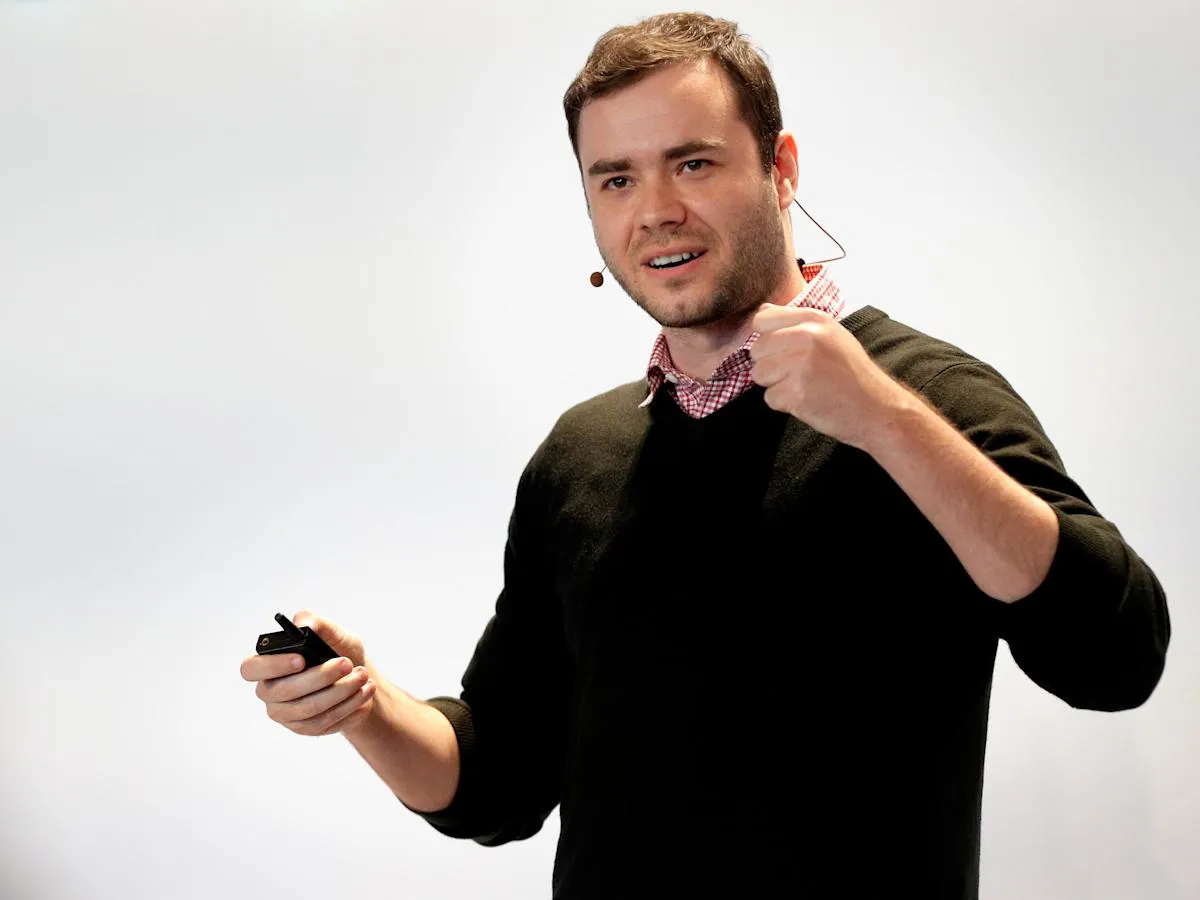
How is Andrej Karpathy reshaping software engineering with AI?
Andrej Karpathy, a prominent figure in artificial intelligence, has raised critical questions about the future of software engineering. His assertion that AI coding agents have crossed a threshold of coherence marks a significant phase shift in the field. This evolution prompts an exploration of how AI is transforming coding practices and the implications for developers.
Karpathy, a former director of AI at Tesla and a founding member of OpenAI, has been at the forefront of this transformation. He coined the term “vibe coding,” which reflects a new approach to programming where the majority of coding is done through AI assistance. Currently, Karpathy reports that his coding style consists of approximately 80% AI-generated code and only 20% manual coding. This shift highlights a broader trend where developers increasingly rely on AI tools to enhance their productivity.
In a recent statement, Karpathy noted, “I really am mostly programming in English now, a bit sheepishly telling the LLM what code to write… in words.” This statement underscores the changing nature of programming, where natural language processing models are becoming integral to the coding process. The implications of this shift are profound, as developers adapt to new tools that facilitate coding through conversational interfaces.
Supporting Karpathy’s observations, the 2025 Developer Survey conducted by Stack Overflow revealed that 84% of respondents either use or intend to use AI-assisted programming. However, the survey also highlighted a divide in developer confidence, with 46% expressing skepticism about the accuracy of AI tools, while only 33% felt confident in the results produced by these technologies. This ambivalence reflects the ongoing adjustment within the developer community as they navigate the integration of AI into their workflows.
Karpathy’s insights have sparked discussions among engineers at organizations like Anthropic and xAI, particularly regarding his extensive notes on Claude Coding, which exceed 1,000 words. These discussions indicate a growing interest in the methodologies and frameworks that AI tools can provide, as well as the potential challenges they pose to traditional coding practices.
As AI tools continue to evolve, projects like NanoClaw, launched by Gavriel Cohen in early February 2026, illustrate the push for security-oriented alternatives to existing AI coding tools like OpenClaw. The project has already garnered significant attention, amassing over 18,000 stars on GitHub, indicating a strong interest in developing secure AI-assisted coding solutions.
Karpathy’s reflections on his coding experience reveal a personal struggle with the implications of AI on manual coding skills. He remarked, “I’ve already noticed that I am slowly starting to atrophy my ability to write code manually.” This sentiment resonates with many developers who are experiencing similar challenges as they adapt to AI-driven coding environments.
As the landscape of software engineering continues to evolve, the role of AI remains a focal point of discussion. While the benefits of AI-assisted coding are evident, the uncertainties surrounding accuracy and the potential erosion of traditional coding skills persist. Details remain unconfirmed regarding how these trends will ultimately shape the future of software development and the skills required for success in the industry.