Introduction
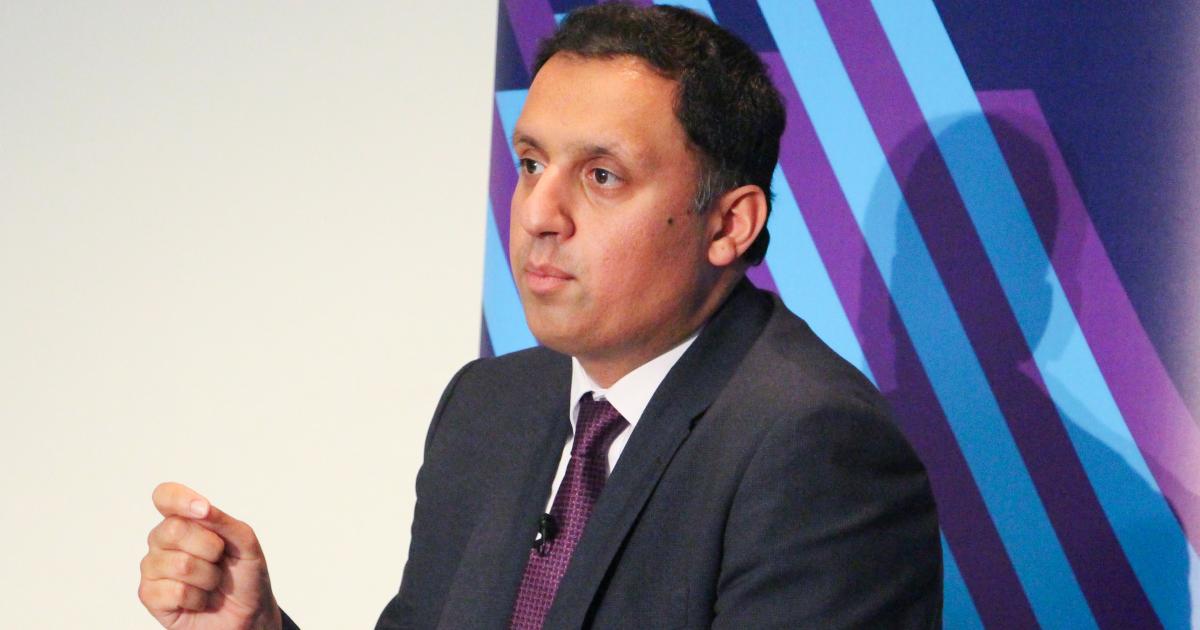
Anas Sarwar, the leader of the Scottish Labour Party, has emerged as a vital figure in contemporary Scottish politics. His leadership comes at a critical time for the party as it seeks to regain support and redefine its identity in the context of increasing political fragmentation in Scotland, particularly amid the rising influence of the Scottish National Party (SNP) and the ongoing discussions surrounding independence.
Anas Sarwar’s Leadership and Vision
Taking over the leadership in April 2021, Sarwar has focused on numerous pressing issues, including healthcare, education, and economic recovery post-COVID-19. He has consistently emphasised the need for a strong recovery plan which prioritises publicly funded services and sets a clear distinction from SNP policies that some critics perceive as inadequate toward meeting the needs of the Scottish people. Sarwar’s tenacity is evidenced by his commitment to address the cost of living crisis, which he identifies as a critical barrier for many families across Scotland.
Key Policies and Initiatives
Under Sarwar’s stewardship, the Scottish Labour Party has proposed several initiatives aimed at tackling systemic issues. One significant policy includes advocating for a funded National Health Service (NHS) to ensure all patients receive equity in their care, regardless of their socioeconomic status. Additionally, Sarwar has called for a comprehensive review of Scotland’s education system to ensure it remains fair and accessible for all students, especially those from disadvantaged backgrounds.
Political Challenges and Opportunities
Despite his proactive approach, Sarwar faces considerable challenges. Since becoming leader, the Labour Party has continued to struggle in the polls against a dominant SNP. With recent local elections and ongoing discussions about constitutional change, the Labour Party must galvanise its base and attract undecided voters. Sarwar’s engagement with grassroots movements and outreach to diverse communities reflects his understanding of these electoral dynamics.
Conclusion
The significance of Anas Sarwar’s leadership lies not only in his immediate policy proposals but also in his broader vision for the future of Scottish politics. As challenges continue to mount, Sarwar remains a formidable voice advocating for equality and social justice across Scotland. The upcoming elections will undoubtedly test his strategies and the resilience of the Scottish Labour Party, with predictions indicating a possible shift in voter sentiment if Sarwar’s initiatives gain traction. His leadership could very well shape the trajectory of Labour’s presence in Scotland, offering potential hope for revitalised support in a changing political landscape.