Introduction
The Winter Olympics, held every four years, captures the world’s attention as athletes compete in various winter sports. The importance of the medal table lies not only in showcasing individual and national achievements but also in reflecting the global landscape of winter sports. As the Games evolve, so does the competition, making the medal table a critical element in evaluating performance and trends.
Overview of Medal Distribution
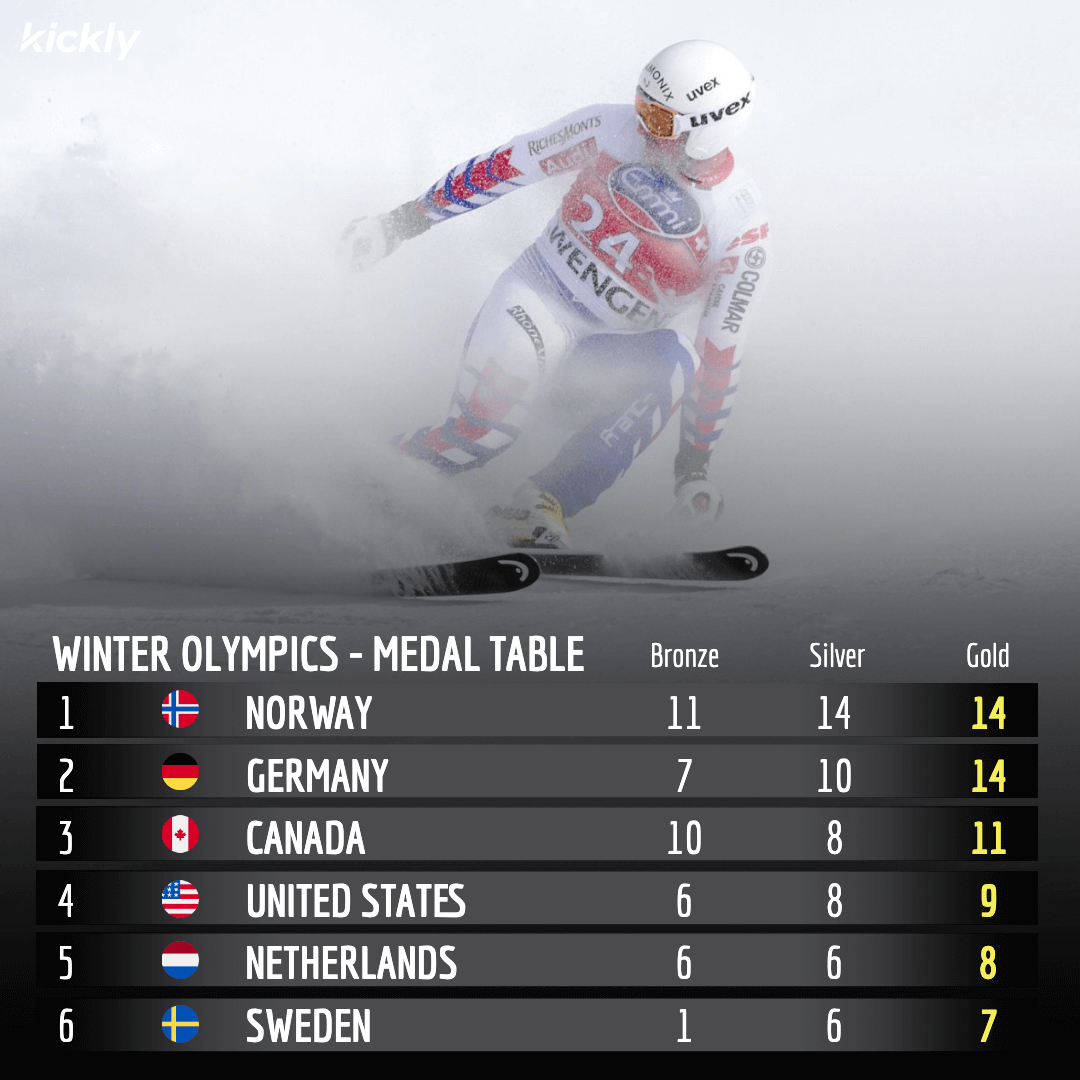
The Winter Olympics medal table, which includes gold, silver, and bronze medals awarded across numerous disciplines, provides insight into which nations have excelled in winter sports. At the most recent Winter Olympics held in Beijing in February 2022, Norway emerged as a dominant force, finishing first in the medal tally with a total of 37 medals, including 16 golds.
Germany and China followed in the rankings, with Germany achieving 27 medals and China securing 15, showcasing the competitive spirit of winter sports among traditional powerhouses and emerging nations alike. This distribution of medals not only reflects the level of investment and development in winter sports within these countries but also highlights the growing diversity in athlete representation.
Trends and Developments
As the Winter Olympics progresses, several trends have emerged from the medal table statistics. For instance, the rise of countries like New Zealand and Switzerland in recent competitions indicates a shift in competitive dynamics, suggesting that increased accessibility and investment in winter sports at all levels are beginning to pay off.
Additionally, the enhanced performance of women’s sports has been notable, with female athletes contributing significantly to their nation’s medal counts. The inclusion of mixed-gender events is also promoting further diversification and participation across disciplines.
Conclusion
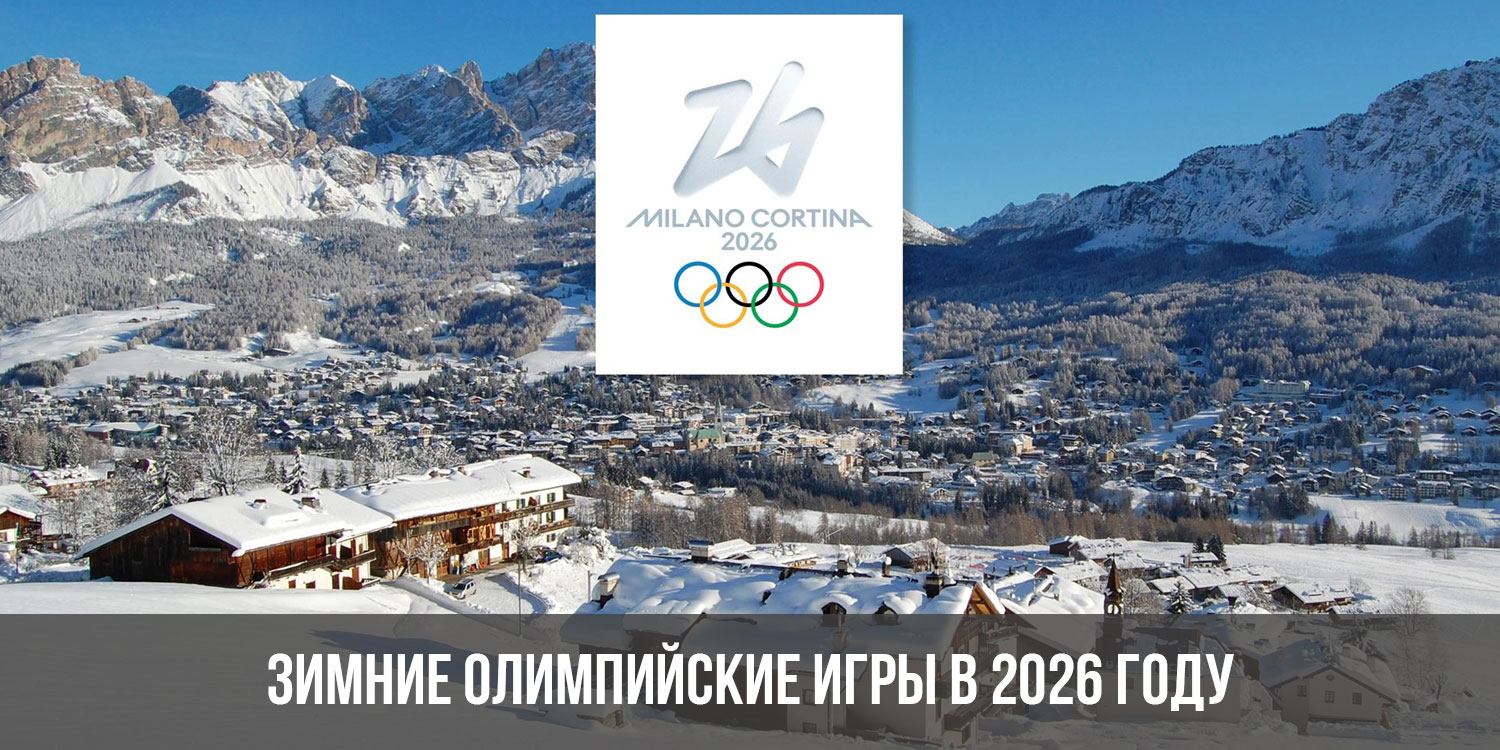
The Winter Olympics medal table serves as a critical indicator of success and development within the realm of winter sports. It highlights not just the achievements of athletes and nations but also reflects broader social and economic factors contributing to athletic performance. As the next Winter Olympics approaches in 2026, stakeholders look forward to analysing potential shifts in the medal standings and the continued evolvement of winter sports on a global scale.