The Significance of Tall Buildings
As urbanisation accelerates, the construction of skyscrapers has emerged as a hallmark of modern architecture. The race to build the world’s tallest buildings reflects not only advancements in engineering and materials but also the growing ambitions of global cities. These towering structures serve various purposes, including housing, offices, and hotels, and often become landmarks that define a city’s skyline.
Current Tallest Buildings
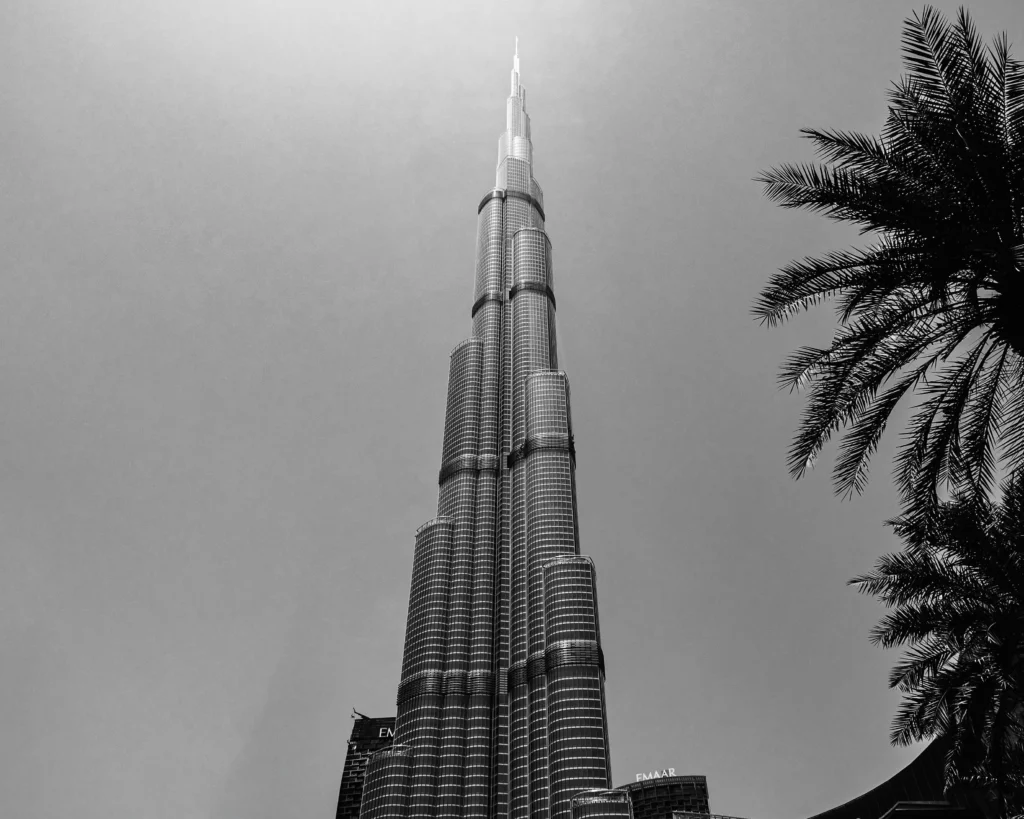
As of 2023, the Burj Khalifa in Dubai retains its title as the tallest building in the world, standing at an impressive 828 metres (2,717 feet). Completed in 2010, this architectural marvel boasts 163 floors and has become a symbol of luxury and modernity. Following closely is the Shanghai Tower in China, which measures 632 metres (2,073 feet) and features a unique twisting design. The Abraj Al Bait Clock Tower in Mecca, Saudi Arabia, ranks third, reaching 601 metres (1,971 feet).
Rising Stars: Future Skyscrapers
However, the race is far from over. Several ambitious skyscraper projects are underway, promising to redefine what we consider tall. The Jeddah Tower in Saudi Arabia, scheduled for completion in 2024, aims to reach a height of 1,000 metres (3,281 feet), which will break the current records held by Burj Khalifa. Similarly, the Dubai Creek Tower, also envisioned to surpass the Burj Khalifa, is anticipated to stand taller than 830 metres (2,722 feet) upon its completion.
Implications for City Planning and Designing
The emergence of these skyscrapers is not solely about vertical height; they also impact urban planning and ecological considerations. Cities like New York and Tokyo are integrating green technologies into their skyscrapers, such as energy-efficient systems and sustainable materials. This conscious effort aims to reduce the carbon footprint while maximising the benefits of high-density living in urban centres.
Conclusion: The Future of Skyscrapers
The trend of constructing the world’s tallest buildings illustrates a blend of aspiration and innovation. As technology evolves, it will enable architects and engineers to explore new heights. Ultimately, the significant investment in skyscrapers not only reshapes the physical landscape of cities but also reflects cultural, economic, and social dynamics. For readers, the ongoing developments in the world of skyscrapers highlight the potential for future innovations and the continuing transformation of urban life.