Introduction: The Importance of a TV Licence
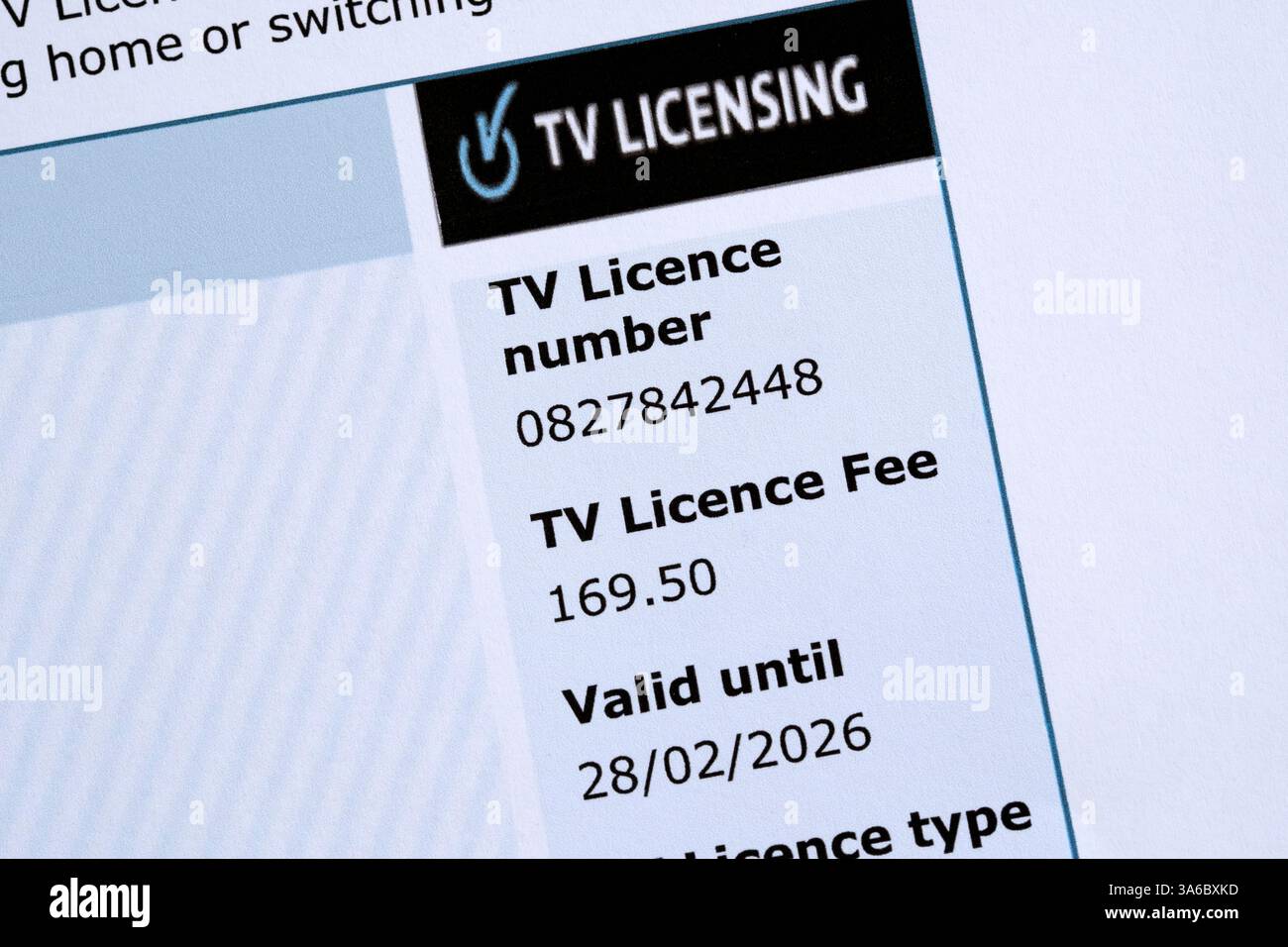
In the United Kingdom, a TV licence is a legal requirement for anyone watching or recording live television broadcasts or using iPlayer to watch any BBC programmes. As of 2023, the cost of a standard TV licence is £159 per year. With a significant number of households relying on streaming services, understanding the implications and regulations surrounding the TV licence remains crucial for every resident.
Current Regulations and Compliance
The UK government mandates that households must obtain a TV licence if they watch live TV on any device, including laptops, tablets, or smartphones. Failure to acquire a licence can result in a hefty fine of up to £1,000. The BBC, responsible for enforcing this law, conducts regular checks and has focused its efforts on raising public awareness of the consequences of non-compliance. Recent statistics show that over 97% of households comply with the regulation, although challenges arise particularly among younger demographics who rely heavily on on-demand services.
Changes and Public Debate
In recent years, there has been ongoing public debate regarding the relevance of the TV licence amidst changing viewing habits. Some argue that the fee should be scrapped or reformed, suggesting alternatives such as funding the BBC through general taxation. In 2022, BBC Director-General Tim Davie addressed these concerns by emphasising the need for a sustainable funding model to preserve the quality of BBC programming while keeping it accessible. Conversations surrounding this topic are expected to continue as technology and consumer preferences evolve.
Consequences of Not Having a TV Licence
Not possessing a valid TV licence can lead to severe consequences, including prosecution. The BBC proactively pursues those who fail to obtain a licence, with enforcement officers employing various strategies to identify non-compliance. Households identified as TV licence evaders often receive warning letters before facing potential court actions. Understandably, navigating this must be a priority for all residents to avoid legal complications.
Conclusion: The Future Outlook
As viewing habits shift towards on-demand streaming and away from traditional broadcasting, the future of the TV licence is likely to undergo further scrutiny. Public sentiment and debates will play a significant role in determining its structure and necessity. For now, complying with the existing regulations remains essential for all UK households, as non-compliance carries significant legal risks. Staying informed about the legal obligations regarding a TV licence will help ensure that residents navigate their viewing preferences responsibly and within the law.