Introduction
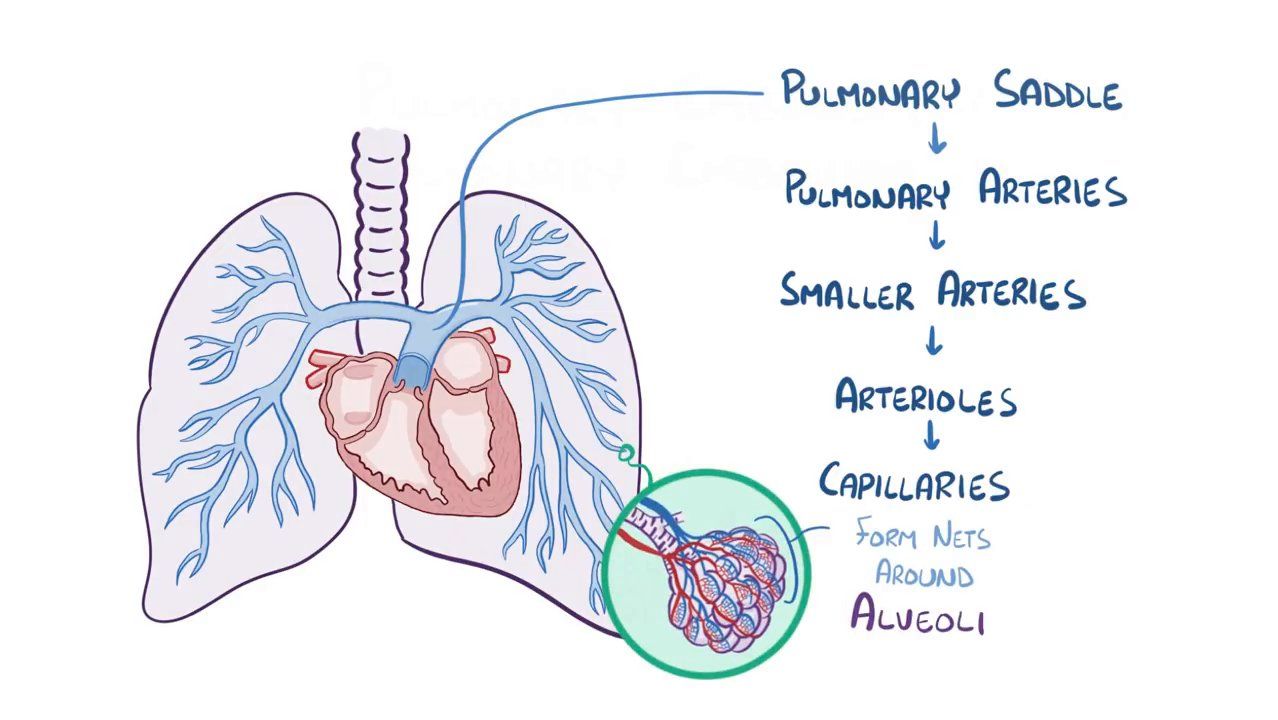
Pulmonary embolism (PE) is a serious medical condition that occurs when a blood clot obstructs the pulmonary artery or one of its branches. Understanding pulmonary embolism is crucial due to its life-threatening nature and significant impact on public health. PE can lead to severe complications, including cardiac arrest, and is associated with various risk factors such as prolonged immobility, surgery, and underlying health conditions. With its rising incidence, especially in the post-pandemic era, awareness and timely intervention have become more critical than ever.
Recent Developments and Statistics
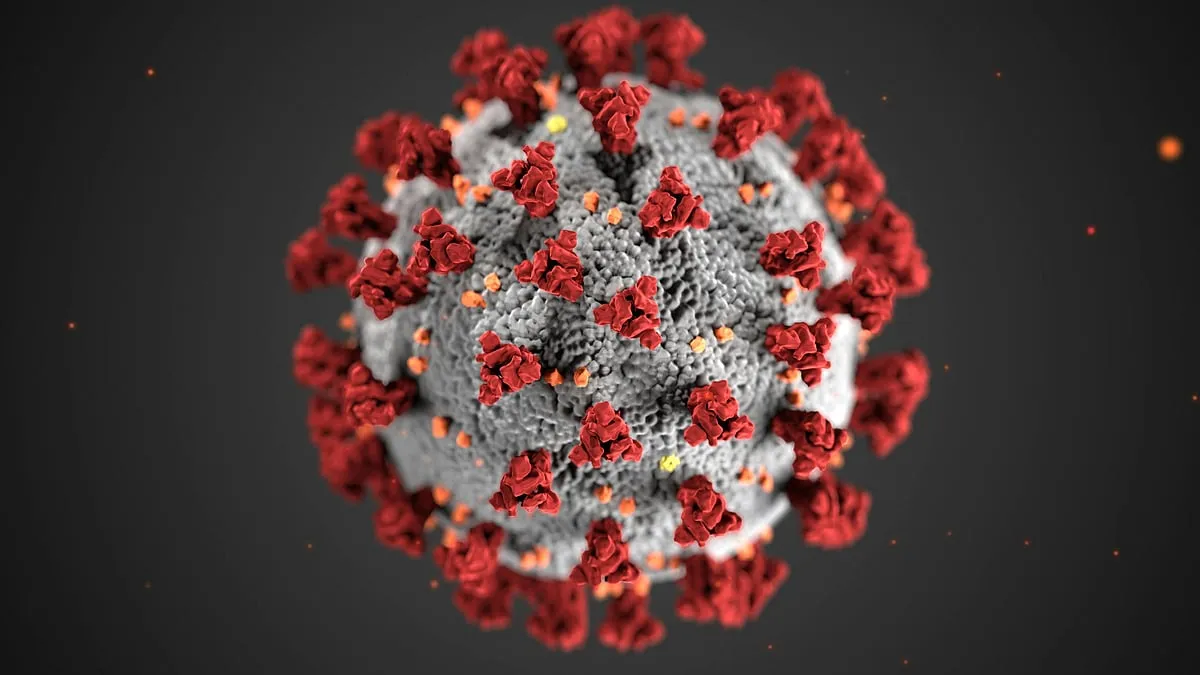
According to recent studies, pulmonary embolism affects approximately 60-70 people per 100,000 annually in the UK, with rates significantly increasing among certain high-risk groups. The COVID-19 pandemic has been linked to a surge in PE cases, as many patients experienced prolonged stays in intensive care units and extended periods of immobility. A study published in 2023 indicates that the risk of PE among COVID-19 patients is two to three times higher than the general population. This alarming statistic underscores the need for vigilance and preventive measures during and after acute illness.
Symptoms and Diagnosis
Symptoms of pulmonary embolism can vary widely, with some individuals exhibiting no signs at all, while others may experience sudden shortness of breath, chest pain, or coughing up blood. Due to the nonspecific nature of these symptoms, PE can often be misdiagnosed, leading to delayed treatment. Healthcare providers typically use various diagnostic tools including CT pulmonary angiography, D-dimer blood tests, and ultrasound to identify the presence of blood clots and assess the severity of the condition.
Treatment Options
Immediate treatment for pulmonary embolism focuses on preventing further clot formation and addressing the symptoms. The most common approach includes anticoagulant medications, such as heparin and warfarin, which help dissolve existing clots and prevent new ones from forming. In more severe cases, thrombolytic therapy may be employed to rapidly dissolve the clot, and surgical interventions, such as embolectomy, might be necessary. The choice of treatment typically depends on the patient’s overall health, the size of the clot, and any comorbid conditions.
Conclusion
Pulmonary embolism is a significant health concern that requires urgent attention and ongoing research to improve diagnosis and treatment strategies. With the increasing prevalence associated with the fallout of the pandemic, it is essential for both healthcare providers and the general public to be informed about the signs, risk factors, and preventative measures related to PE. Continued education and awareness can save lives, making it imperative to prioritise this condition in both clinical settings and public health discussions.