Introduction
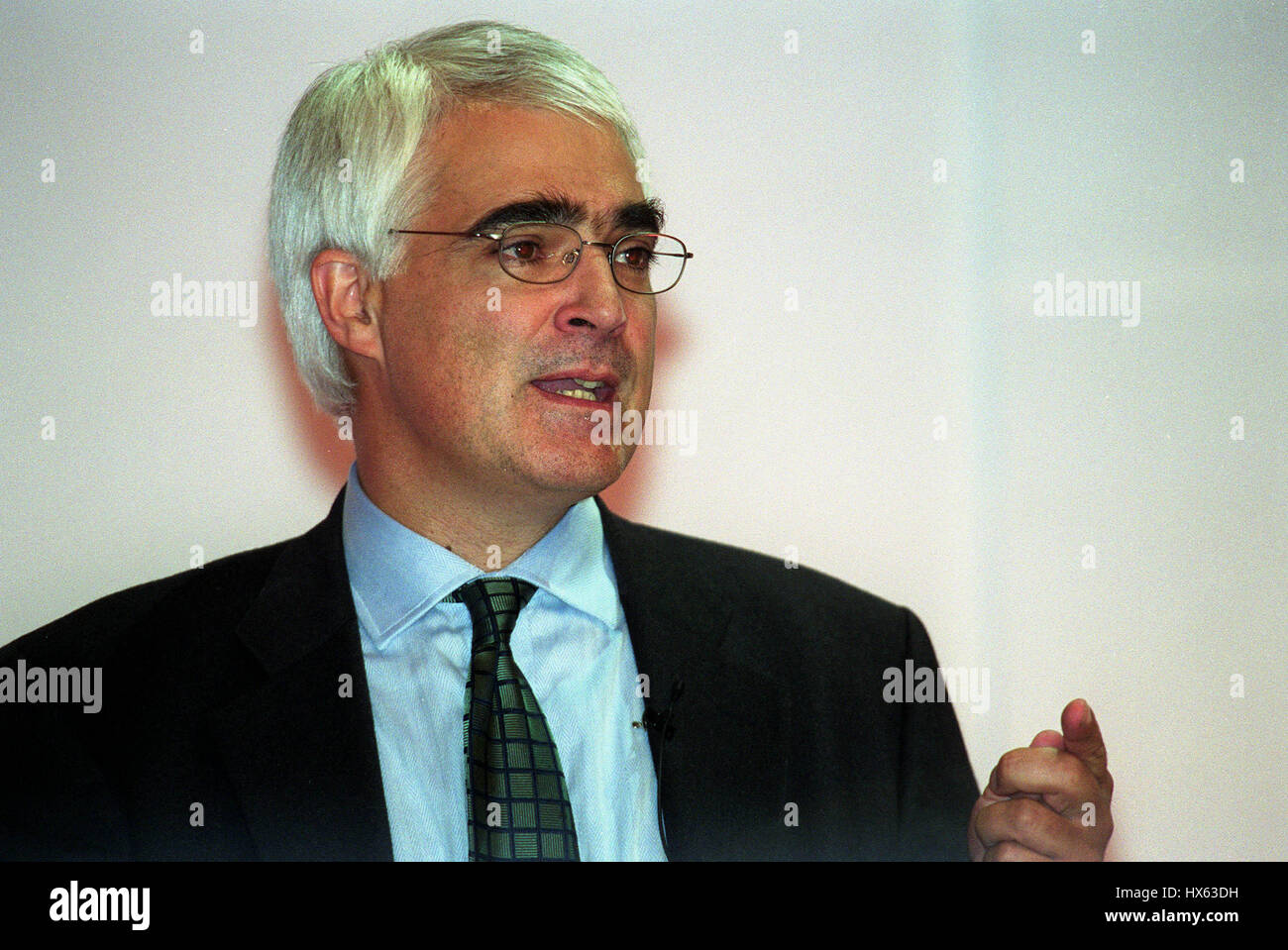
Alistair Darling served as a prominent figure in UK politics, primarily known for his role as Chancellor of the Exchequer from 2007 to 2010. His contributions during a period of economic turbulence, particularly the global financial crisis, highlighted his leadership capabilities and shaped his legacy. Understanding his role is crucial, especially in today’s context of economic challenges and policy discussions.
The Economic Challenges Faced
Darling took office as Chancellor during a time when the UK economy was on the brink of a severe downturn. The financial crisis of 2008 posed unprecedented challenges, leading to the collapse of major banks and prompting the government to intervene with substantial bailouts. Darling is credited with implementing critical measures, such as the Bank of England’s aggressive interest rate cuts and the fiscal stimulus packages designed to stabilise the economy. His “Pre-Budget Report” in late 2008 outlined these significant steps, aiming to address the recession and support businesses.
Policies and Controversies
Throughout his tenure, Darling faced several difficult decisions that sparked both support and criticism. The introduction of the 50p tax rate for high earners and the decision to nationalise troubled banks were particularly polarising issues. Moreover, his handling of the economy during a critical period of austerity and cuts after the initial crisis presented significant political hurdles. Nevertheless, Darling argued that such policies were essential for ensuring long-term economic recovery, a perspective that remains relevant in current discussions about economic management.
Post-Political Career and Reflections
After stepping down from frontline politics, Darling continued to influence the economic landscape, serving in advisory roles and speaking publicly about fiscal policy and economic recovery strategies. His insights regarding the importance of sustainable economic practices and proactive government intervention continue to resonate today. Notably, he authored a book detailing his experiences during the financial crisis, providing a firsthand account of the decisions that shaped UK economic policy.
Conclusion
Alistair Darling’s contributions to UK politics, especially during the financial crisis, underscore the complexities and challenges faced by leaders in times of economic distress. As the nation continues to grapple with its economic policies and recovery strategies, Darling’s experiences and perspectives offer valuable lessons. Readers can look to his legacy for guidance on navigating future financial challenges and the role of government in economic management.