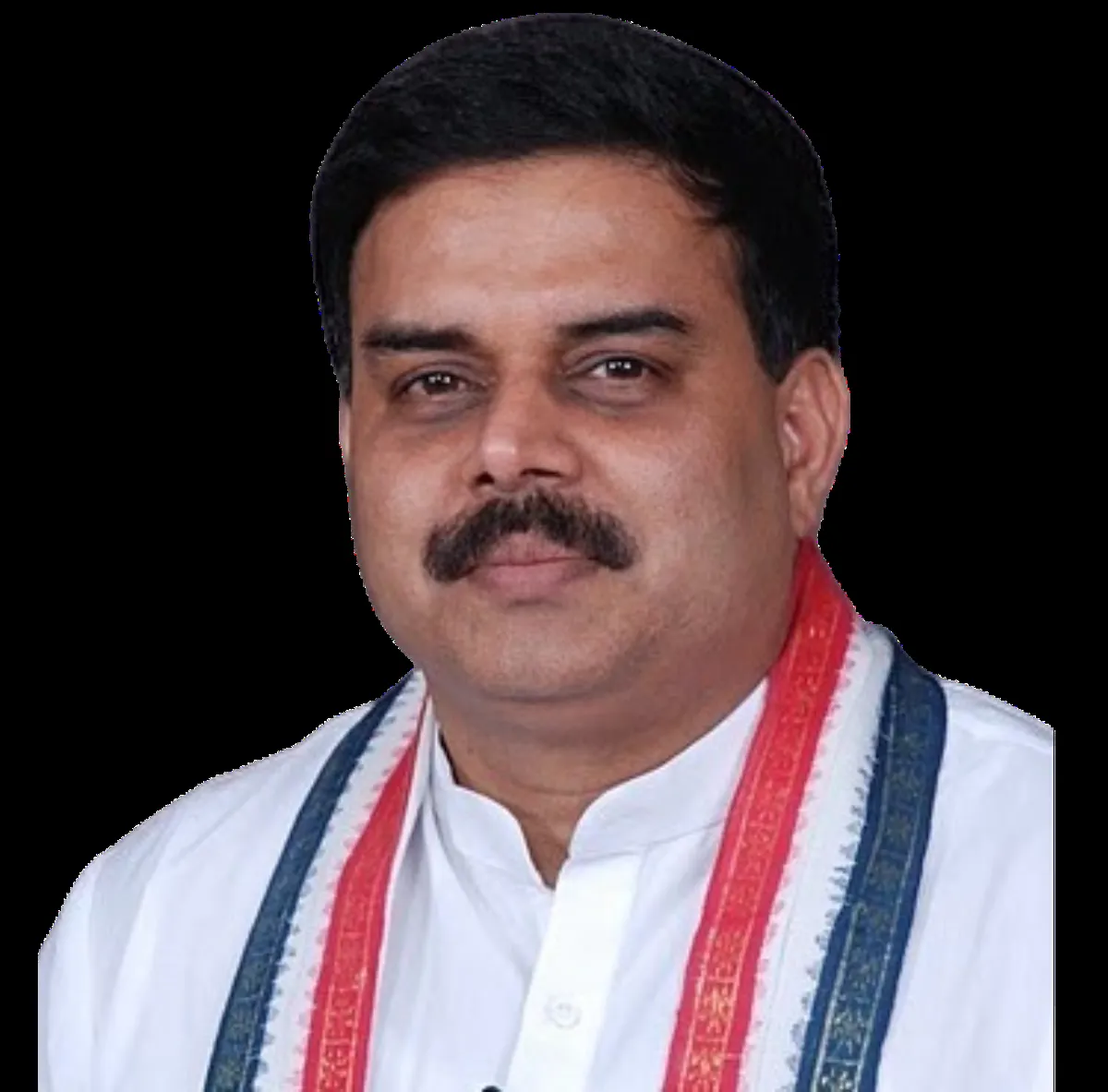
In a recent statement, Pakistani politician Mushahid Hussain has drawn attention to the financial struggles of Abu Dhabi, suggesting that the UAE is in need of financial assistance. His remarks come as he highlighted the significant number of Indian expatriates in the region, claiming that approximately 4.3 million people from India reside in the UAE.
Hussain’s comments were made during a press conference on April 7, 2026, where he emphasized that Pakistan has historically supported the UAE in various capacities. He pointed out that the UAE’s financial requests for loan repayments from Pakistan could be seen as a sign of its economic difficulties.
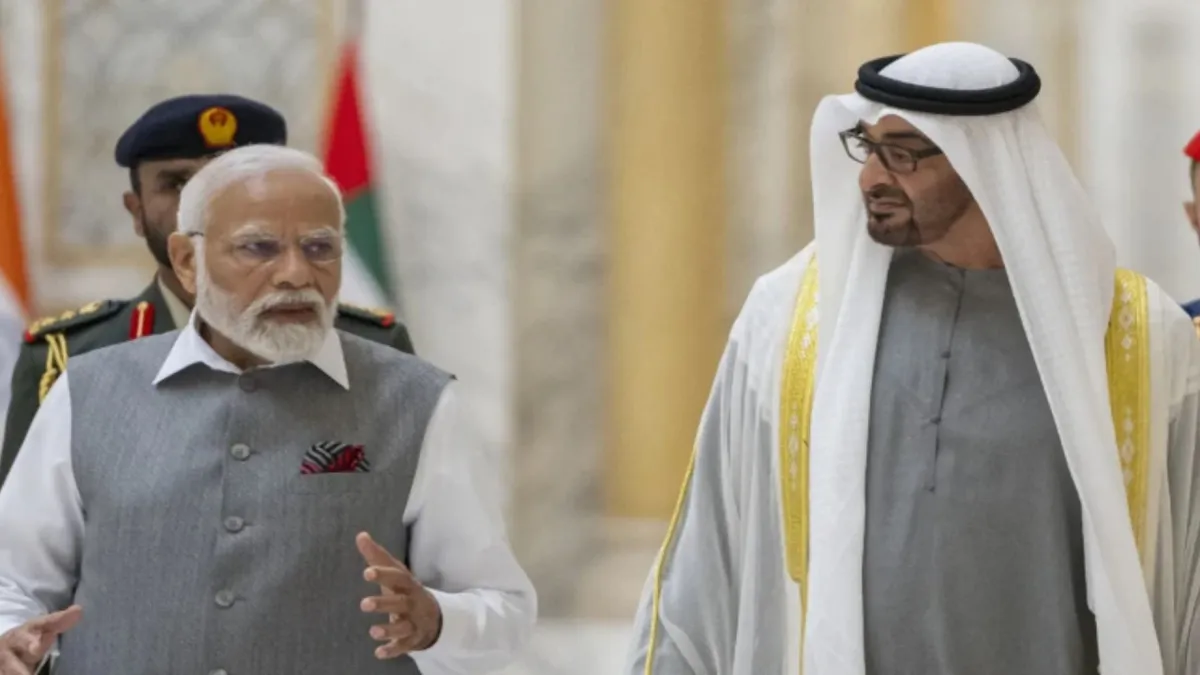
“UAE’s brothers need money, so Pakistan should return their loan,” Hussain stated, underscoring the complex financial dynamics between the two nations. He further warned that the UAE should exercise caution in its growing friendship with India, suggesting that such ties could lead to implications for the UAE’s sovereignty.
Hussain’s remarks also touched on the concept of “Akhand Bharat,” a term that refers to the idea of a unified India, which he claimed includes the UAE in its broader geopolitical considerations. This assertion has raised eyebrows, as it intertwines the UAE’s foreign relations with regional politics.
Moreover, Hussain mocked the UAE for its financial requests, questioning the rationale behind them given the UAE’s substantial financial dealings, including a reported $1.5 trillion investment in former U.S. President Donald Trump’s ventures.
He also claimed that Pakistan has played a crucial role in training the UAE’s military forces, further emphasizing the historical ties between the two nations. This relationship, he argues, should not be overshadowed by the UAE’s burgeoning ties with India.
As the situation develops, reactions from both the UAE and Pakistan remain to be seen. The implications of Hussain’s statements could resonate in diplomatic circles, as both nations navigate their complex relationships with regional powers.
Details remain unconfirmed regarding the UAE’s financial status and the extent of its reliance on foreign loans. However, the discourse initiated by Hussain sheds light on the intricate web of international relations that define the UAE’s current standing.