Introduction
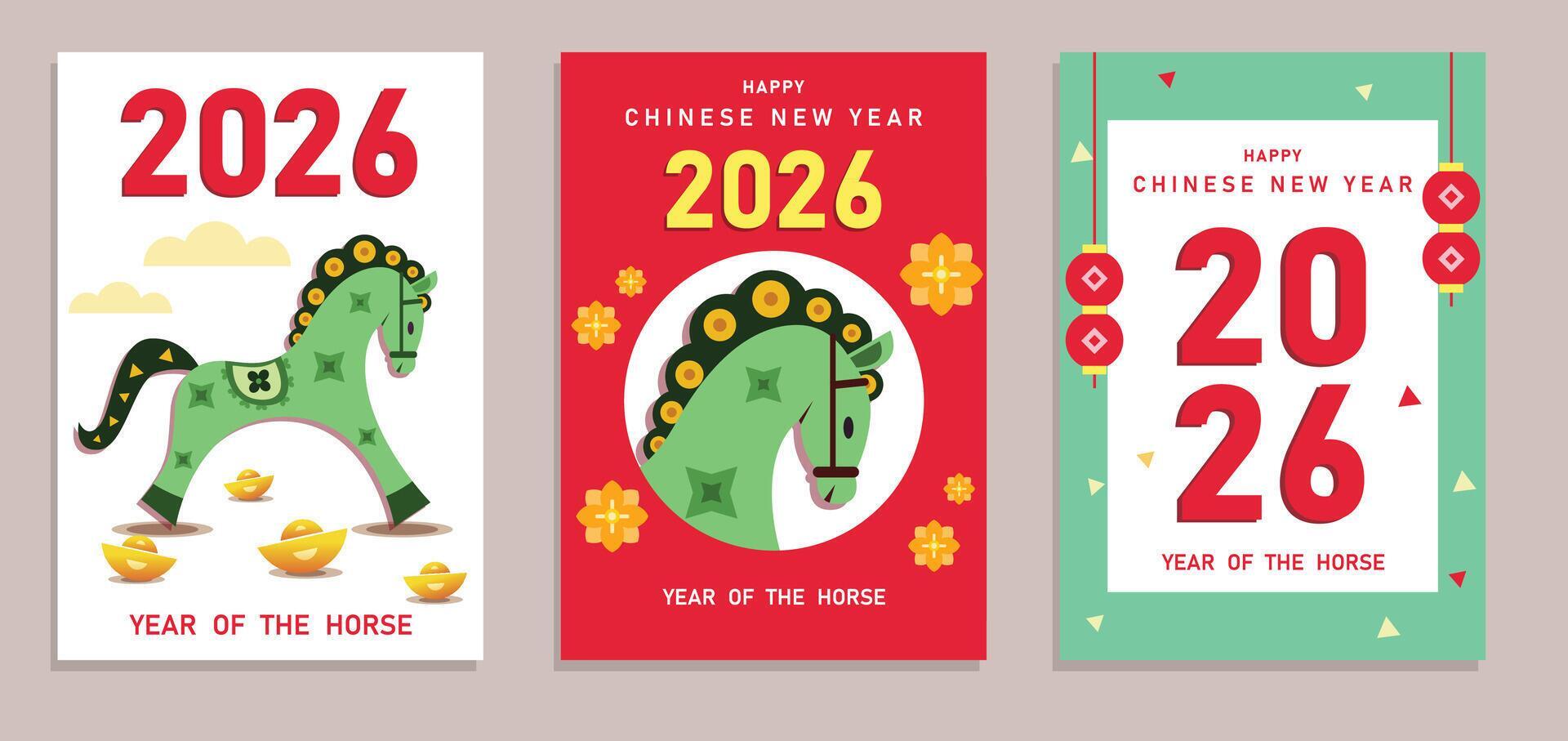
Chinese New Year, also known as Lunar New Year or Spring Festival, is one of the most important celebrations in the Chinese calendar. It marks the beginning of the lunar new year and is a time for families to come together, reflect on the past, and prepare for a prosperous year ahead. In 2026, this significant festival will fall on February 17, ushering in the Year of the Fire Horse. Understanding the importance of this festival is essential as it highlights cultural heritage, traditions, and the unity it brings to communities worldwide.
Historical Significance
The roots of Chinese New Year date back thousands of years and are steeped in mythology and tradition. The festival traditionally involves various customs such as cleaning the house to sweep away ill-fortune and making way for incoming luck. Families often gather for a reunion dinner on New Year’s Eve, which is considered the most important meal of the year.
Celebrations and Festivities
Preparations for Chinese New Year typically begin weeks in advance. In 2026, cities across the globe with substantial Chinese populations, such as London, Sydney, and San Francisco, are expected to host vibrant parades that feature lion dances, dragon performances, and cultural displays. Shops will be adorned with red decorations symbolising good fortune, and traditional food, such as dumplings and rice cakes, will be in high demand. Each year, specific elements will resonate with significance; for the Fire Horse, themes of energy, enthusiasm, and leadership are expected to dominate the narratives in both festivities and personal aspirations for the year ahead.
Global Celebrations
In recent years, the influence of Chinese New Year has led to intercultural exchanges that extend beyond China. Events are commonly celebrated in various countries regardless of the local population’s ethnicity. In 2026, many cities will likely host public celebrations to embrace the diversity of their communities. A notable trend is the growing involvement of local businesses, which increasingly celebrate the occasion by offering festive promotions and collaborating with cultural groups.
Conclusion
As Chinese New Year 2026 approaches, it is a prime opportunity for both individuals and communities to reflect on their achievements, set intentions for the future, and engage in shared experiences that honour cultural traditions. The celebrations highlight the importance of unity and diversity and serve as a reminder of the global tapestry of culture and heritage. In observing this vibrant holiday, all are encouraged to partake in its festivities, which promise to foster goodwill and greater understanding amongst diverse populations.