Introduction
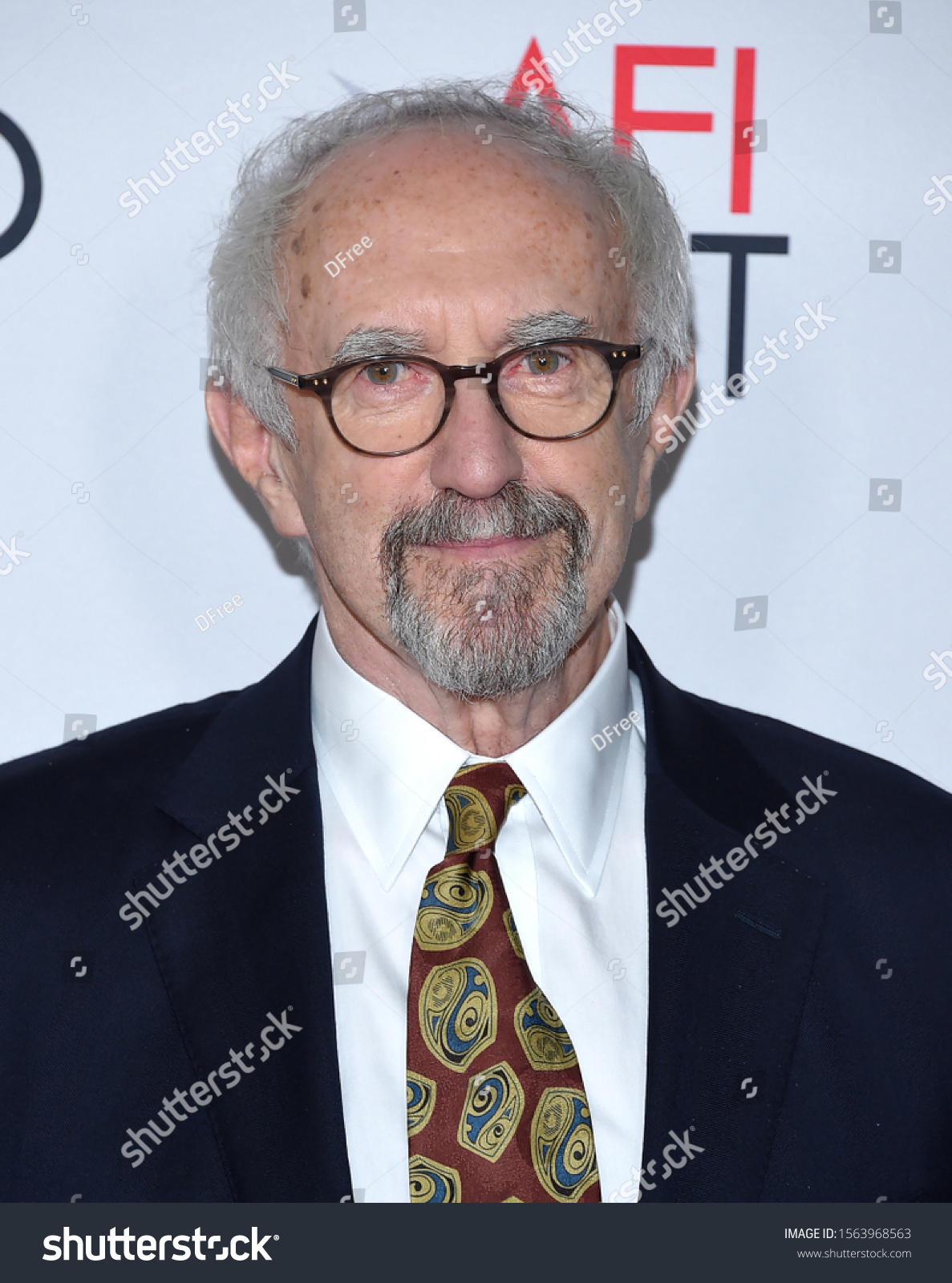
Jonathan Pryce is a Welsh actor celebrated for his versatile performances across film, television, and theatre. With a career spanning over four decades, he has established himself as one of the most respected actors in the industry. As audiences continue to embrace diverse storytelling, Pryce’s roles often intersect with themes of political discourse, human struggle, and the exploration of complex characters, making his contributions particularly relevant in today’s cinematic landscape.
Career Highlights
Pryce began his career in the 1970s and garnered attention for his work in theatre, particularly with the Royal Court Theatre in London. His breakout role came when he starred in the 1977 production of Comedians, which paved the way for his entry into television and film.
Over the years, he has been nominated for several prestigious awards, including the BAFTA and Olivier Awards. His portrayal of troubled characters in films such as Brazil (1985) and The Age of Innocence (1993) has highlighted his ability to navigate nuanced performances. Recent projects such as The Two Popes (2019) showcased his exquisite ability to depict Pope Francis, earning him further acclaim and Academy Award nominations.
Television Work
In addition to his film career, Pryce has made significant contributions to television. He gained popularity for his role as the charismatic and cunning Lord Varys in the groundbreaking HBO series Game of Thrones. His ability to embody complex characters is further exemplified in the BBC’s Wolf Hall, where he played Thomas Cromwell’s master, Cardinal Wolsey. These performances highlight his adaptability across genres.
Recent Developments
Recently, Pryce has been in the spotlight following his role in the acclaimed Netflix series The Crown, where he portrays Prince Philip. His work continues to resonate with audiences looking for depth and authenticity in storytelling. Furthermore, his extensive theatre experience remains influential, as he often returns to the stage, advocating for the importance of live performances amidst a digital era.
Conclusion
Jonathan Pryce’s career is a testament to his remarkable talent and dedication to the craft of acting. As he continues to take on challenging roles, audiences can anticipate more significant performances that push the boundaries of storytelling. His impact on film and theatre not only enriches the art form but also leaves a lasting legacy for future generations of actors. As the industry evolves, Pryce’s career will undoubtedly serve as an inspiration, reminding us of the power of character interpretation and the art of performance.