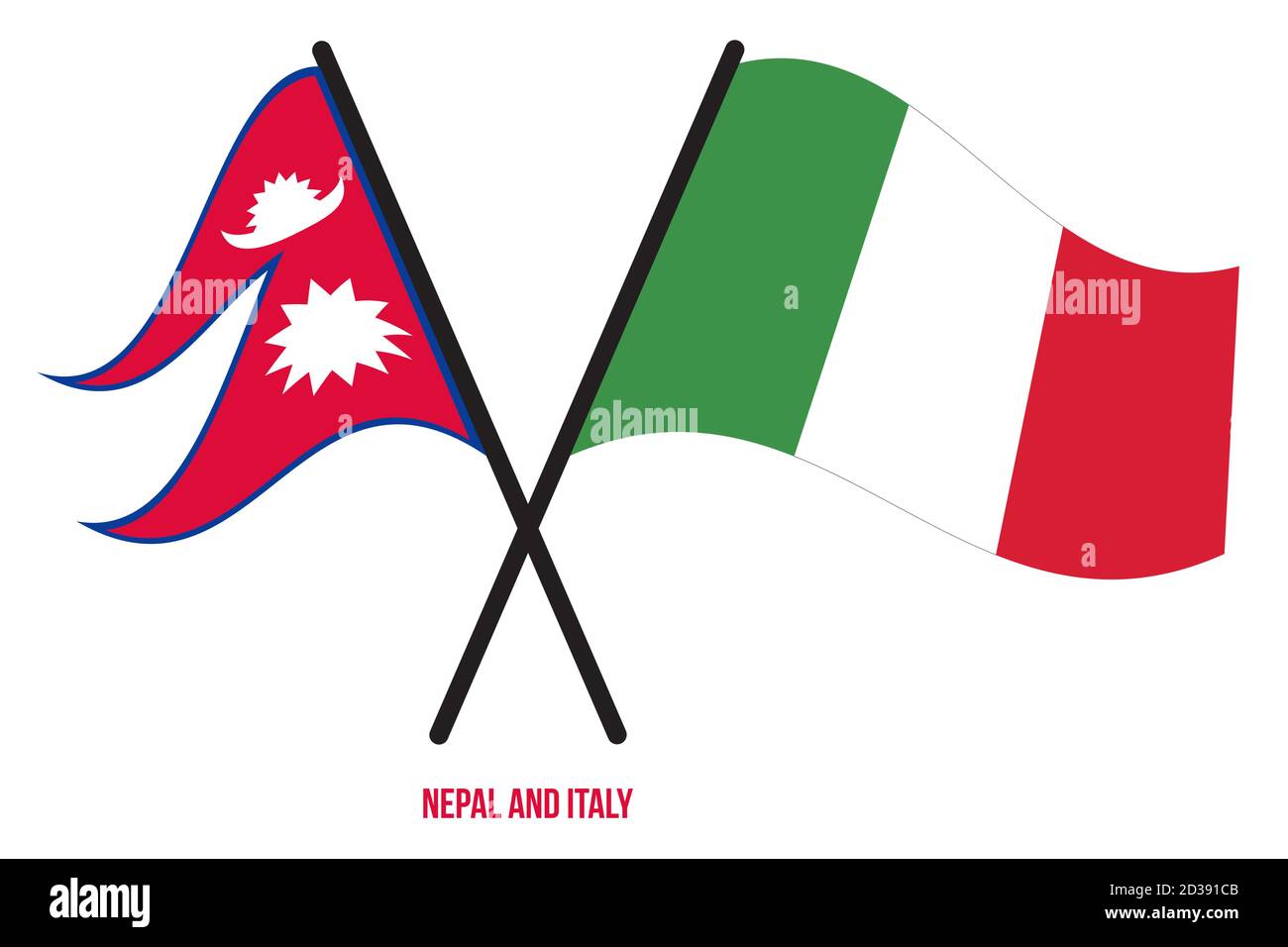
Introduction
The comparison between Nepal and Italy offers a fascinating exploration of two vastly different nations. One is a landlocked country nestled in the Himalayas, known for its rich cultural heritage and stunning natural landscapes, while the other is a European powerhouse celebrated for its historical landmarks, art, and cuisine. Understanding their differences and similarities is significant for travellers, students, or those interested in global cultures.
Cultural Heritage
Nepal is renowned for its diverse ethnic groups, languages, and traditions, with over 120 different ethnicities. Festivals are a major aspect of life in Nepal, with Dashain and Tihar being some of the most celebrated. Religious practices play a central role in everyday life, influenced predominantly by Hinduism and Buddhism, seen in its many temples and stupas.
In contrast, Italy boasts a rich history that echoes from the Roman Empire to the Renaissance. Italian culture is woven with artistic advancements, evident in its masterpieces of sculpture, painting, and architecture. Each region has its own dialect, cuisine, and traditions, showcasing the country’s vibrant cultural identity.
Natural Landscapes
The geographical contrasts between these two nations are striking. Nepal’s landscape is dominated by the Himalayan mountains, including Mount Everest, which draws adventure seekers and climbers from around the globe. The diverse ecosystems host rare wildlife and offer stunning trekking routes.
Italy, on the other hand, is known for its picturesque coastlines, rolling hills, and the scenic beauty of the Alps. Regions like Tuscany and the Amalfi Coast provide visitors with breathtaking views and delicious local wines, while the lakes and mountains offer extensive opportunities for outdoor activities.
Tourism and Economy
Tourism is a vital aspect of both economies, although in differing contexts. In 2019, Italy welcomed approximately 94 million tourists, making it one of the most visited countries worldwide. Visitors flock to cities like Rome, Venice, and Florence not only for their historical significance but also for their culinary delights.
Nepal, while smaller in tourist numbers, is equally alluring, attracting around 1.2 million tourists in the same year. The nation’s appeal lies in its trekking opportunities, religious sites, and adventure tourism. Famous trails like the Annapurna Circuit draw trekkers globally, wanting to experience Nepal’s natural beauty and cultural richness firsthand.
Conclusion
The comparison of Nepal and Italy highlights the diversity of global cultures and landscapes. While Italy offers a blend of history and modernity with high visitor numbers, Nepal captivates with its unique traditions and natural wonders. For travellers, exploring both countries provides a broadened perspective on the world, showcasing how geography and culture can shape experiences. Looking ahead, both nations will likely continue to attract global tourists, offering distinct journeys rich in culture, adventure, and history.