Introduction
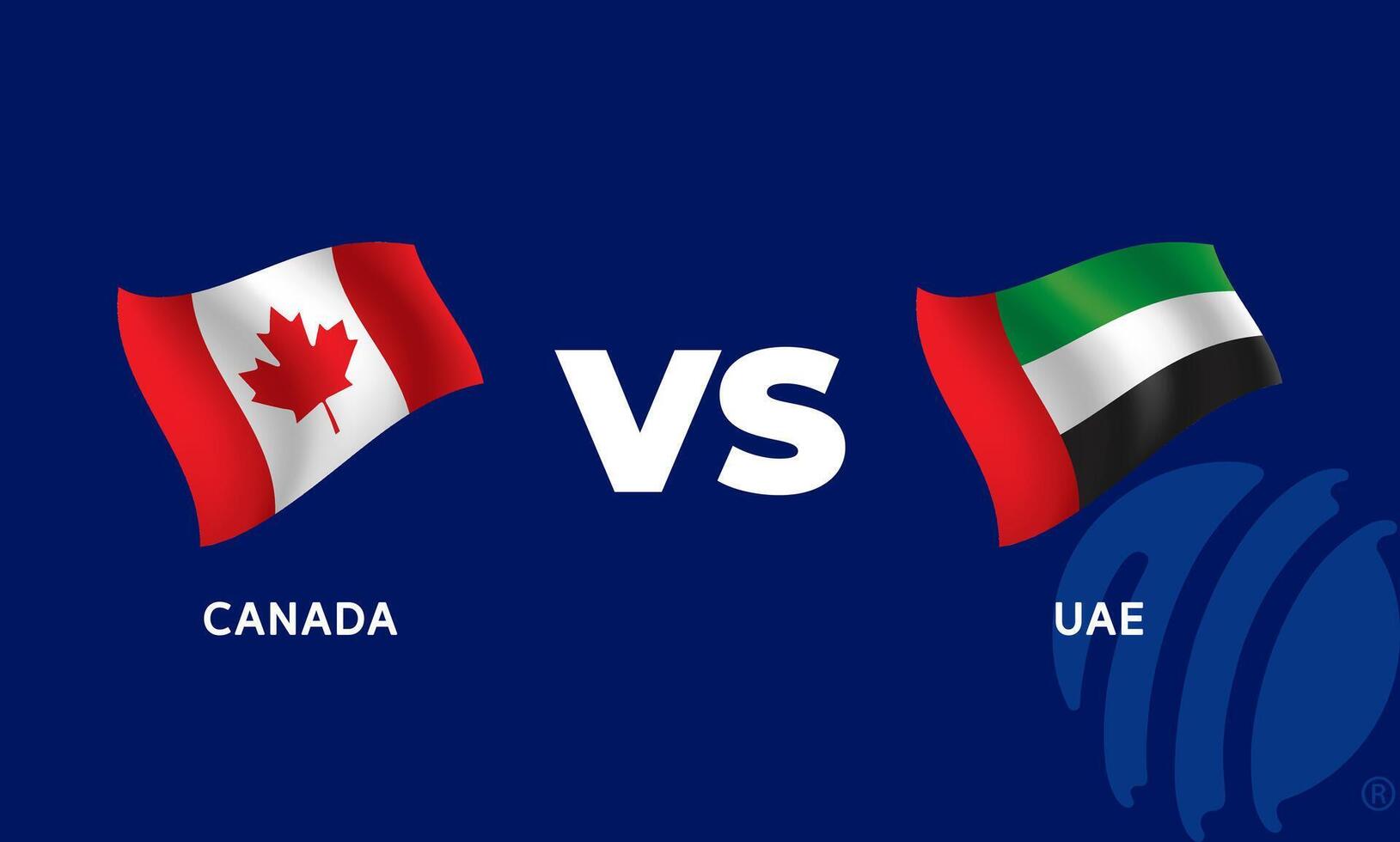
The comparison between Canada and the United Arab Emirates (UAE) reveals stark contrasts and fascinating similarities in various aspects, including culture, economy, and governance. As two nations that occupy prominent spaces on the world stage, understanding how their development trajectories have diverged is essential for businesses, policymakers, and citizens alike. This analysis sheds light on the unique attributes that define each country and their global influences.
Cultural Landscape
Canada is known for its multicultural society, which proudly embraces various ethnicities and traditions. With two official languages, English and French, the country reflects a blend of Indigenous cultures, European influences, and immigration from across the globe. In contrast, the UAE is known for its rich Arab heritage, coupled with a blend of expatriate cultures due to a vast majority of its population being foreign workers. The UAE hosts a variety of cultural festivals and showcases traditional art forms, while Canada celebrates its diversity through events like Canada Day and the Toronto International Film Festival.
Economic Features
Economically, Canada boasts a diversified economy centred around natural resources, manufacturing, and technology, with a strong focus on sustainability and innovation. According to the World Bank, Canada’s GDP stood at approximately $2.2 trillion in 2022. On the other hand, the UAE’s economy is heavily reliant on oil and gas, though it has been investing significantly in sectors such as tourism, aviation, and renewable energy, particularly in Dubai and Abu Dhabi. The country’s GDP reached around $500 billion in recent years, bolstered by its strategic initiatives to attract foreign investment and diversify its economic portfolio.
Governance and Politics
Canada operates as a parliamentary democracy and constitutional monarchy, promoting principles of equality, freedom, and human rights. It is recognized globally for its robust healthcare system and educational frameworks. In contrast, the UAE is a federation of monarchies, with a distinctive political system that emphasizes stability and economic growth, although it has been criticized for limited political freedoms. Both countries are active on the international stage, with Canada focusing on diplomacy, human rights advocacy, and environmental issues, whereas the UAE strategically positions itself as a hub for trade and cultural exchange in the Middle East.
Conclusion
As Canada and the UAE continue to grow and evolve, their differing approaches to culture, economy, and governance offer valuable lessons. For Canadians, understanding the UAE’s rapid economic development can yield insights into diversification strategies. Meanwhile, the UAE could benefit from examining Canada’s commitment to social welfare and inclusivity. These nations, while distinct in their identities, can find common ground through trade partnerships and global dialogues, ultimately fostering mutual respect and collaboration in an increasingly interconnected world.