Introduction
Pep Guardiola is one of the most influential football managers of our time, renowned for his tactical acumen and success across multiple leagues. The importance of his coaching philosophy and strategies can be observed in the transformation of teams he has managed, including FC Barcelona, Bayern Munich, and Manchester City. Guardiola’s work has not only brought numerous trophies but has also set standards for modern football coaching, making his methods relevant to aspiring coaches and football fans alike.
Career Highlights
Guardiola began his managerial career at Barcelona B in 2007 before taking over the first team in 2008. Under his leadership, Barcelona secured 14 trophies in just four years, including two UEFA Champions League titles and three La Liga championships. His ‘tiki-taka’ style, characterised by short passing and movement, changed the dynamics of possession football.
After leaving Barcelona, Guardiola took a brief sabbatical before moving to Bayern Munich in 2013. During his time in Germany, he continued to dominate by winning three consecutive Bundesliga titles and adding to his impressive trophy cabinet.
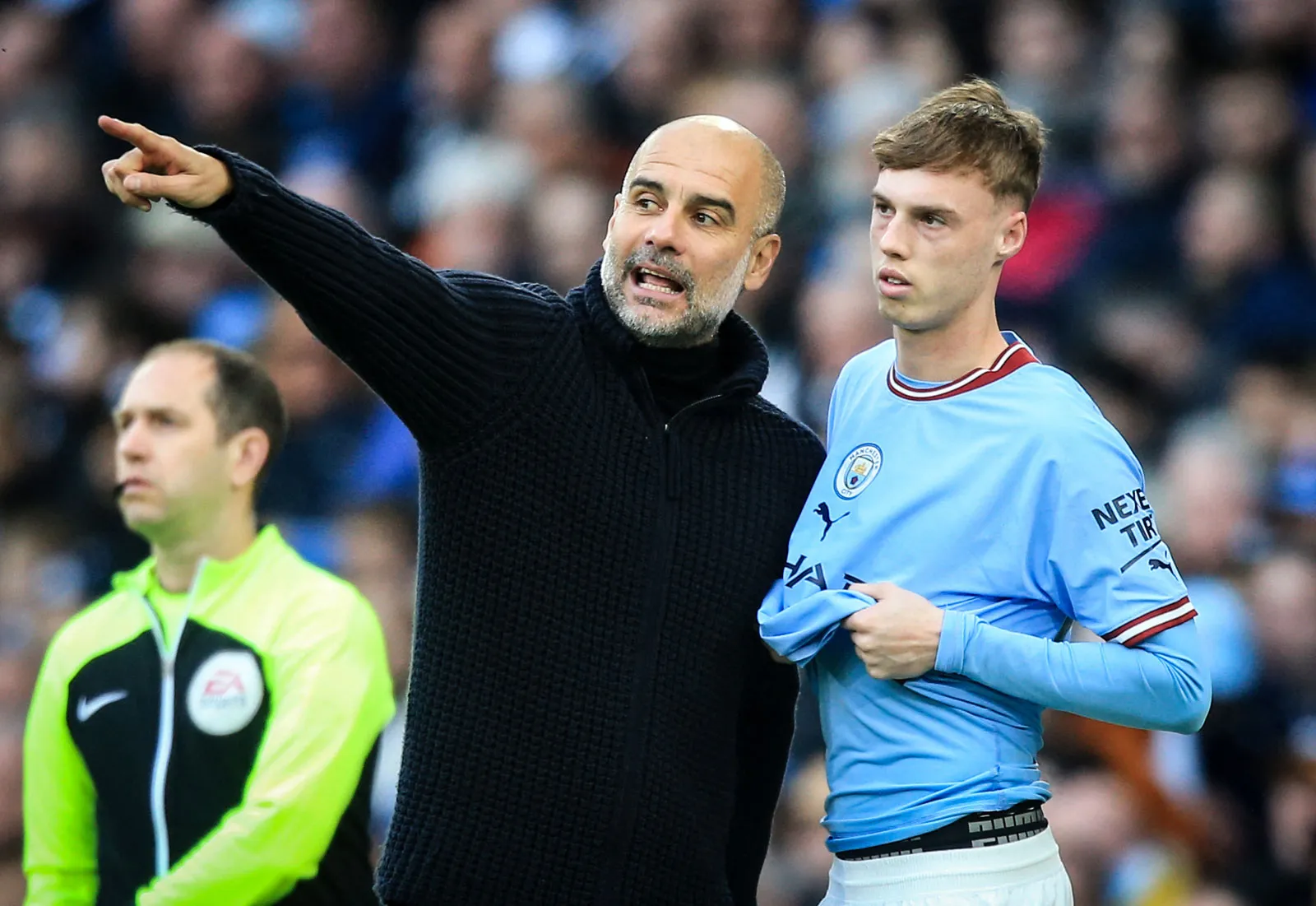
In 2016, Guardiola moved to the Premier League, joining Manchester City. His approach has revolutionised the club, leading to a record-breaking 100 points in the 2017-2018 season and the club’s first-ever domestic treble in the following season.
Guardiola’s Tactical Philosophy
Guardiola’s tactics focus heavily on possession and pressing, aiming to control matches through superior ball retention. His teams are known for their fluid attacking play and well-organised defensive structures. Additionally, he places significant emphasis on flexibility, encouraging players to adapt to different formations and roles, which has contributed to his teams’ effectiveness against varying opposition styles.
Recent Developments
As of October 2023, Guardiola continues to lead Manchester City with ambition, aiming for another successful season in the Premier League and UEFA competitions. Notably, his side has retained many key players while integrating fresh talent, indicating a blend of experience and youth to ensure continued competitiveness at the highest levels. Guardiola’s commitment to developing young talents remains integral to his strategy, a testament to his long-term vision of sustained success.
Conclusion
Pep Guardiola’s influence on football is immeasurable. His innovative tactics and ability to adapt have set a benchmark for coaches worldwide. As he progresses in his career, football enthusiasts eagerly anticipate how he will continue to shape the game in the coming years. For aspiring football managers and players, studying Guardiola’s work is essential in grasping the future of football tactics and management.