Introduction
Brass instruments have long held a crucial place in the musical landscape, playing integral roles in orchestras, military bands, and popular music genres. Their rich sound and versatility make them unique among other instrument categories. Recent trends in music education and performance highlight the continuing relevance of brass instruments, especially amidst the growing interest in diverse musical experiences.
Overview of Brass Instruments
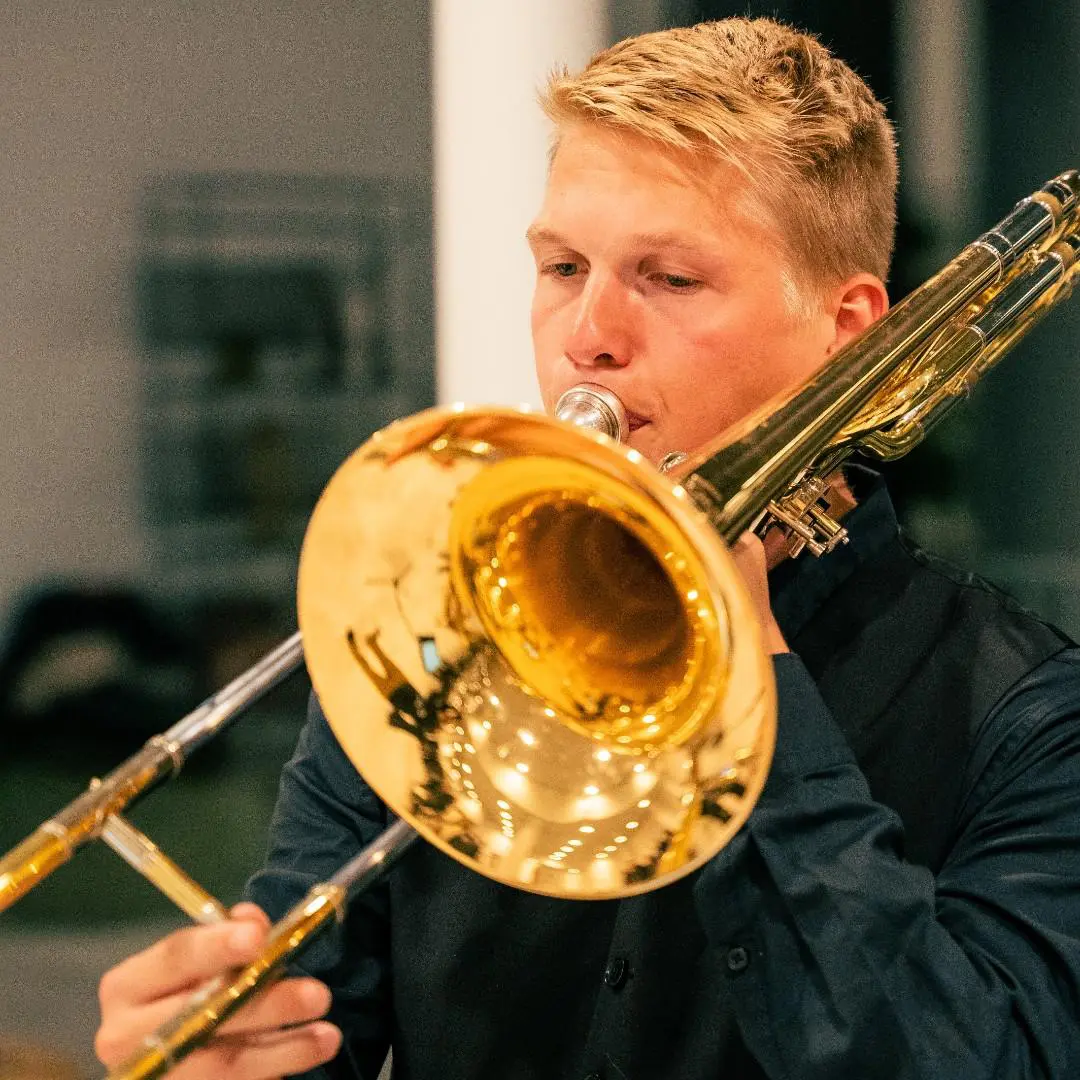
Brass instruments, which include trumpets, trombones, tubas, and French horns, produce sound by the vibration of air through the player’s lips, producing a distinctive timbre. Their development spans centuries, with origins tracing back to ancient cultures. Today, brass instruments are classified into two main categories: orchestral and band instruments. Each category showcases different techniques and repertoires that highlight their unique sound.
Current Trends and Events
In recent years, brass instruments have seen a revival in popularity due to a surge in community music programs. According to a 2023 survey by the National Association of Music Educators, enrolment in brass instrument classes has increased by 30% since 2020, driven by a renewed interest in musical traditions and cultural exchanges. Additionally, brass ensembles have begun to explore genres beyond traditional classical music, incorporating contemporary styles like jazz and pop, further enhancing their appeal among younger audiences.
Brass instrument manufacturers have also begun investing in innovative technologies, creating instruments that adapt to modern playing styles. For example, the rise of the electronic trumpet has enabled musicians to blend live performances with digital sounds, opening new avenues for creativity in artistry.
Conclusions and Future Outlook
The significance of brass instruments in music continues to evolve. Increasing participation in educational settings, coupled with advancements in instrument technology, signals a bright future for these cherished musical tools. As communities become more engaged in local music scenes, the blending of traditional and contemporary music styles will likely cultivate a richer understanding of brass instruments among audiences. For music lovers and aspiring musicians, engaging with brass instruments may offer not only a rewarding creative outlet but also a chance to connect with a vibrant element of musical history.