Introduction
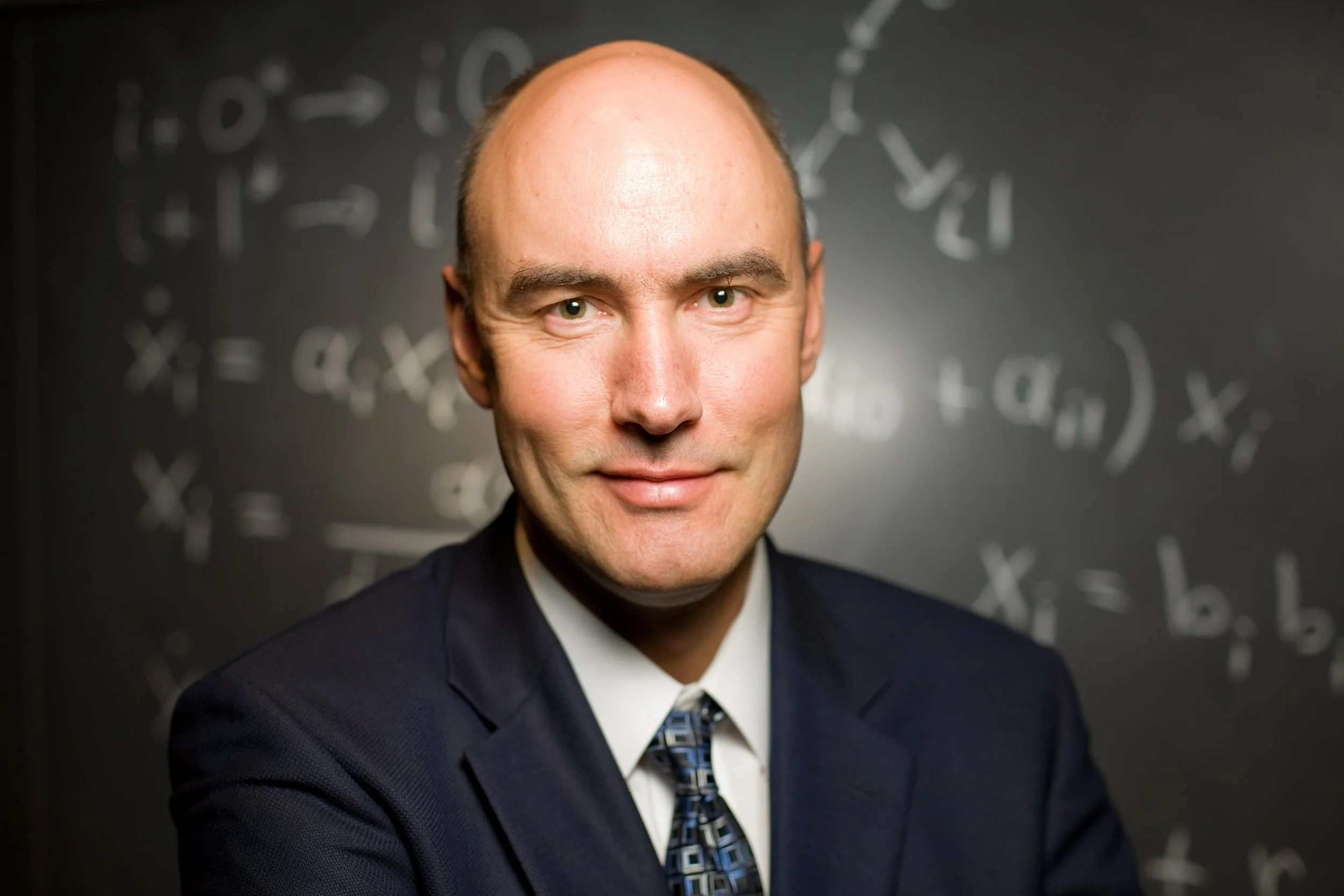
Martin Nowak is a prominent name in the field of evolutionary biology, known for his extensive research on the dynamics of evolution, cooperation, and the mathematical frameworks that describe these phenomena. His work has significant implications not only in biology but also in areas such as economics, sociology, and even computer science. Understanding Nowak’s contributions is crucial for grasping contemporary themes in evolution and the mechanisms that drive the biological world around us.
Key Contributions and Research
Born on April 7, 1965, in Vienna, Austria, Martin Nowak has spent a considerable part of his career at Harvard University, where he is a professor of mathematical biology. His research utilises mathematical models to unravel complex biological questions, focusing on how cooperation evolves among species. In 2004, he co-authored a groundbreaking paper in Nature, proposing that cooperation could evolve under certain conditions, vastly illuminating the previously misunderstood concept of altruism.
One of Nowak’s defining contributions is the development of the concept of the Evolutionary Stable Strategy (ESS), a critical framework that explains how strategic interactions among individuals can lead to stable outcomes in a population. His collaboration with other scientists has produced various influential articles that demonstrate the power of mathematics in biological research.
Recent Developments and Significance
In recent years, Nowak’s work has expanded into the realm of infectious disease dynamics and the evolution of viruses, particularly relevant in light of the COVID-19 pandemic. His insights into how viruses evolve and spread have garnered attention, influencing public health strategies and our understanding of epidemiology.
Nowak’s interdisciplinary approach has garnered him several prestigious awards, including the Wilkins-Bernal-Medawar Medal in 2019, recognising his significant contributions to biological science and the integration of mathematical models in biology.
Conclusion
As we continue to confront global challenges such as pandemics and environmental changes, Martin Nowak’s research provides critical insights into the mechanisms of evolution and cooperation. His ability to bridge mathematics with biological inquiry not only enhances our understanding of life itself but also offers tools to address pressing issues in health and society. Moving forward, the impact of Nowak’s work is expected to grow, as more fields begin to recognise the importance of evolutionary dynamics in their respective areas.