Introduction
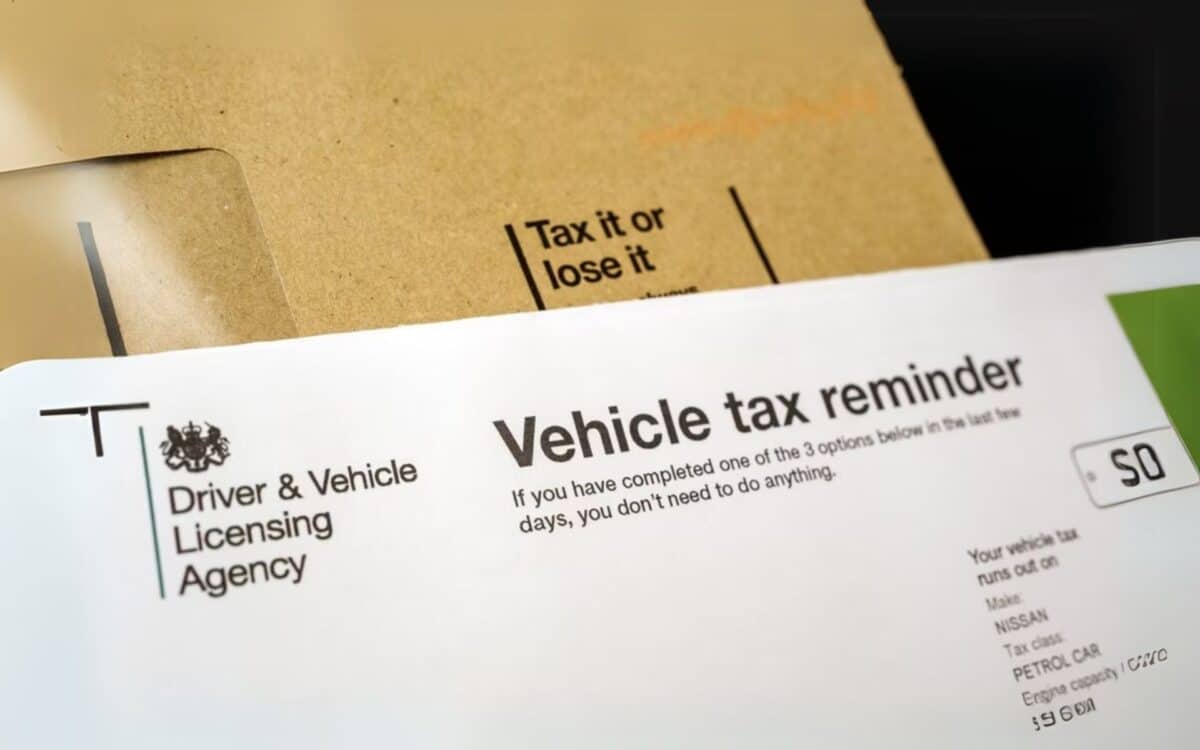
The issue of high car tax vehicles has become increasingly relevant in the UK, particularly as the government seeks to promote greener alternatives and reduce emissions. Car tax, officially known as Vehicle Excise Duty (VED), is calculated based on the CO2 emissions of a vehicle, with higher rates applied to those that emit more. This has led to a significant rise in costs for owners of high-emission vehicles, making it important for consumers and potential buyers to understand the implications.
What Constitutes a High Car Tax Vehicle?
In the UK, a vehicle is classified as a high tax vehicle if it has substantial CO2 emissions. As of April 2023, vehicles emitting over 255g/km face the steepest tax bracket, incurring an annual fee of £2,365. High-performing cars and certain luxury models typically fall into this category, including sports cars, large SUVs, and some high-end electric vehicles during their initial registration period.
Latest Trends and Changes
Recent data suggests that as consumers become more environmentally conscious, there has been a noticeable shift towards lower-emission vehicles, contributing to a decline in the sales of high tax vehicles. However, the appeal of high-performance models remains strong among enthusiasts. Additionally, the government has implemented changes in the tax structure to encourage the purchase of electric and hybrid vehicles, which are often exempt from road tax during their first year. This has altered consumer behaviour and spending patterns significantly.
Implications for Vehicle Owners
For owners of high car tax vehicles, the financial burden can be considerable. Not only do they face hefty VED charges, but they may also encounter increased insurance premiums and higher fuel costs. The ongoing conversations around climate change and emissions targets may lead to further changes in road tax policies, potentially increasing the tax burden on high-emission vehicles in the future.
Conclusion
The significance of understanding high car tax vehicles extends beyond just immediate financial implications. As the UK aligns itself with international climate agreements and seeks to reduce carbon footprints, it is crucial for consumers to stay informed about vehicle taxation policies. Innovations in electric vehicles and shifts in regulatory frameworks will likely reshape the automotive landscape, with high-emission vehicles facing greater scrutiny. Looking ahead, potential buyers should consider the long-term costs associated with ownership and weigh their options carefully amidst the changing tax landscape.