Introduction
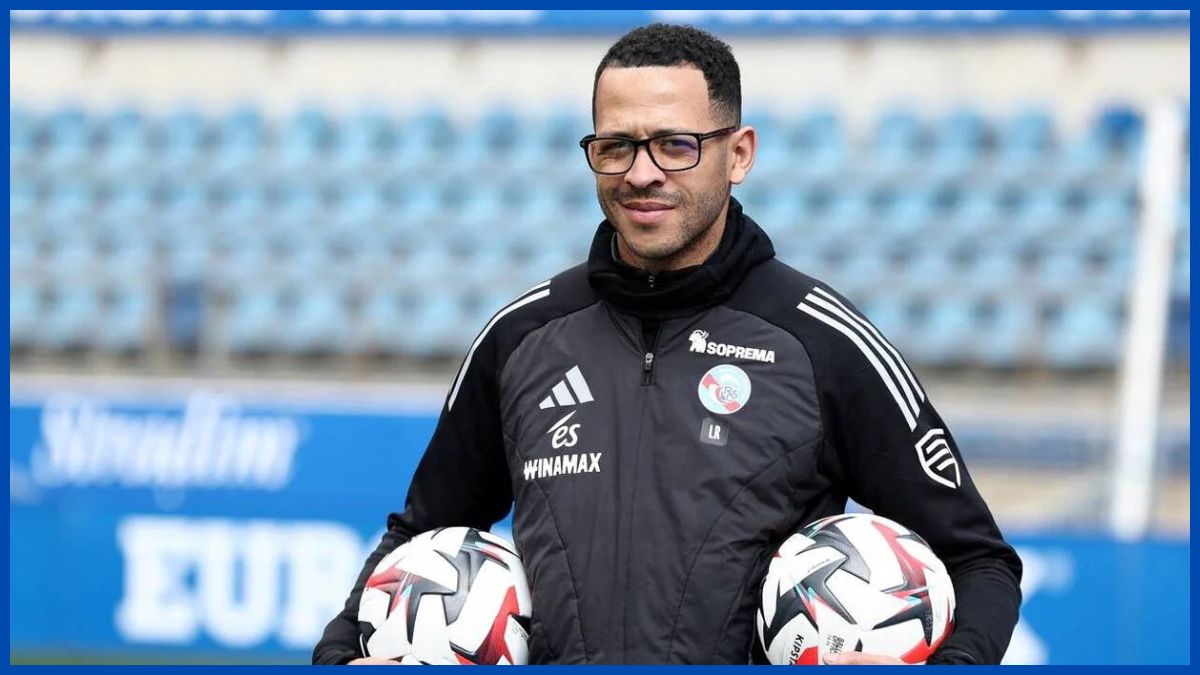
Liam Rosenior has emerged as a significant figure in football management over recent years. His ascent in the world of football is not only noteworthy due to his prior playing career but also reflects the changing dynamics within the sport, as clubs increasingly look towards young, innovative leaders. Rosenior’s ability to connect with players and his tactical acumen have reshaped how teams operate, solidifying his relevance in the football community.
Rosenior’s Early Career
Born on 24 November 1984 in London, Liam Rosenior began his career as a professional footballer, playing primarily as a defender. He made his debut with the Bristol City, before spells at clubs such as Fulham, Wolverhampton Wanderers, and most notably, Reading and Ipswich Town. His playing career culminated with over 400 appearances across various leagues. Following retirement, Rosenior transitioned into coaching, where he quickly showcased his potential as a manager.
Managerial Achievements
In 2021, Rosenior joined Derby County as interim manager after the club faced considerable turmoil and financial difficulties. During his 2021-2022 tenure, he was credited for stabilising the team, helping the players navigate the challenges of a distressed club environment. His tactical insights and focus on player development received positive feedback from fans and critics alike.
His managerial prowess caught the eye of many clubs as he demonstrated an impressive ability to foster young talent while achieving results on the pitch. In the summer of 2022, he took on a more permanent role with a forward-thinking club in the EFL, where he continued to impress with his strategic mindset and commitment to developing a cohesive team culture.
Impact on the Football Community
Rosenior’s rise in football management highlights the growing trend of clubs appointing younger managers who can relate to players and inspire change. His emphasis on inclusivity, mental health awareness, and tactical football resonates strongly in today’s game. As he continues to break down barriers, Rosenior also champions the importance of diversity within management positions, encouraging other clubs to look beyond traditional profiles when hiring.
Conclusion
As Rosenior’s career progresses, his impact on football management is anticipated to expand. The combination of his playing experience with a contemporary managerial approach places him on a promising path in the sport. Fans and aspiring managers alike should keep an eye on Liam Rosenior as he shapes the future of football management with his innovative ideas and a commitment to nurturing talent. His journey emphasises not only personal achievement but a broader shift in football, embracing the new generation of leadership.