Introduction
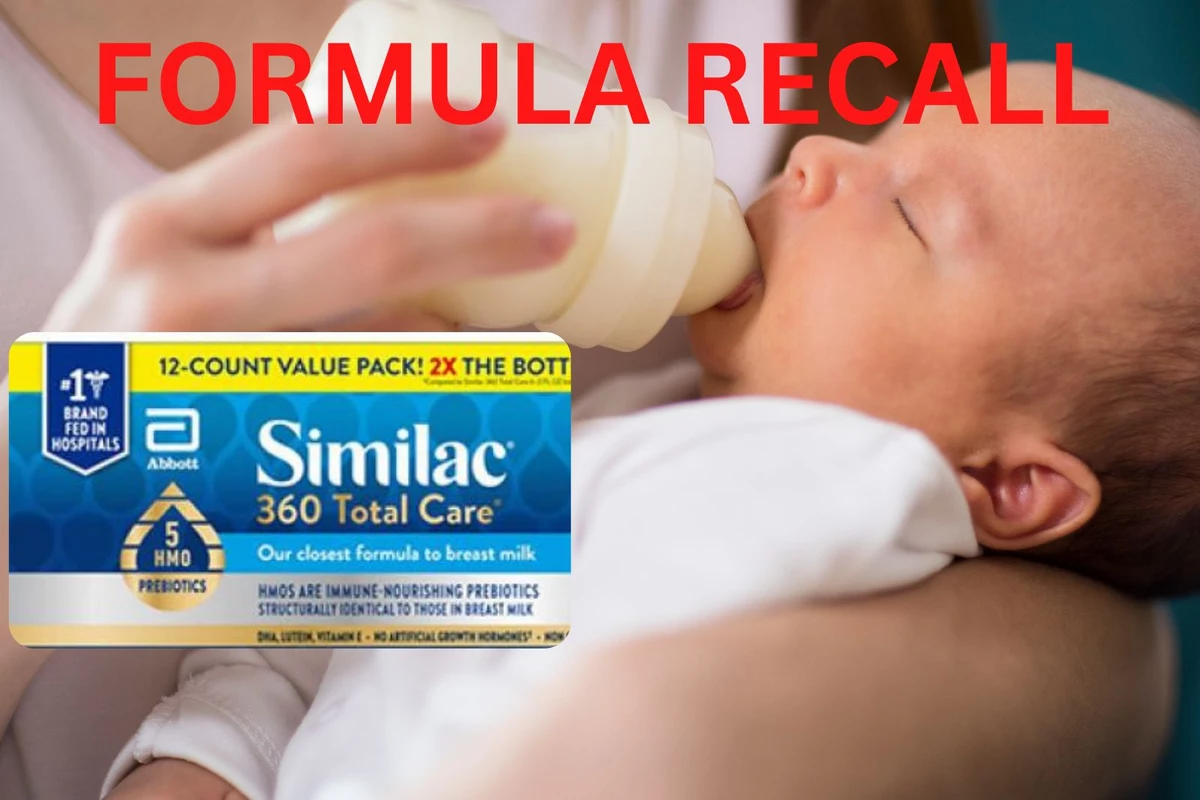
The recent recall of Nestle baby formula has raised significant concerns among parents and caregivers as well as the broader public. This recall is particularly relevant given the critical role infant nutrition plays in early development and health. Guardian brands like Nestle are expected to maintain high safety standards, and any deviation can lead to profound consequences for infants.
Details of the Recall
In early October 2023, Nestle announced a voluntary recall of specific batches of its popular baby formula products due to potential contamination with harmful bacteria. The decision was made after routine testing indicated the presence of Enterobacter sakazakii, a bacterium known to pose serious health risks, particularly in infants. This particular variant can cause severe infections and is often linked to cases of meningitis, making this recall a priority for the company and health safety officials.
Impact on Consumers
The recall covers various flavours of Nestle’s baby formula line, affecting thousands of products that have already been distributed across the UK and Europe. Families are advised to check their pantry for recalled items, which are identified by specific batch numbers. Nestle has urged parents to return any affected products to the point of purchase for a full refund. As a precaution, consumers are recommended to seek immediate medical attention if infants exhibit symptoms such as fever, poor feeding, irritability, or vomiting, which indicate possible infection.
Company Response and Future Measures
Nestle has stated that they are fully cooperating with health authorities and are taking necessary measures to ensure all safety protocols are reviewed and reinforced in their production lines. Health officials have commended the company for its transparency and swift action but have also cautioned the public about the importance of vigilantly monitoring food safety, especially in products intended for vulnerable populations like infants.
Conclusion
This recall serves as a stark reminder of the paramount importance of food safety standards in baby products. Parents and caregivers must remain vigilant and proactive regarding any alerts from food manufacturers about infant nutrition. As Nestle navigates this challenge, consumers are encouraged to stay informed and adhere to guidelines provided by health officials. The team at Nestle is committed to preventing such incidents in the future, and consumers can expect to see enhanced quality control measures as a direct response to this situation.