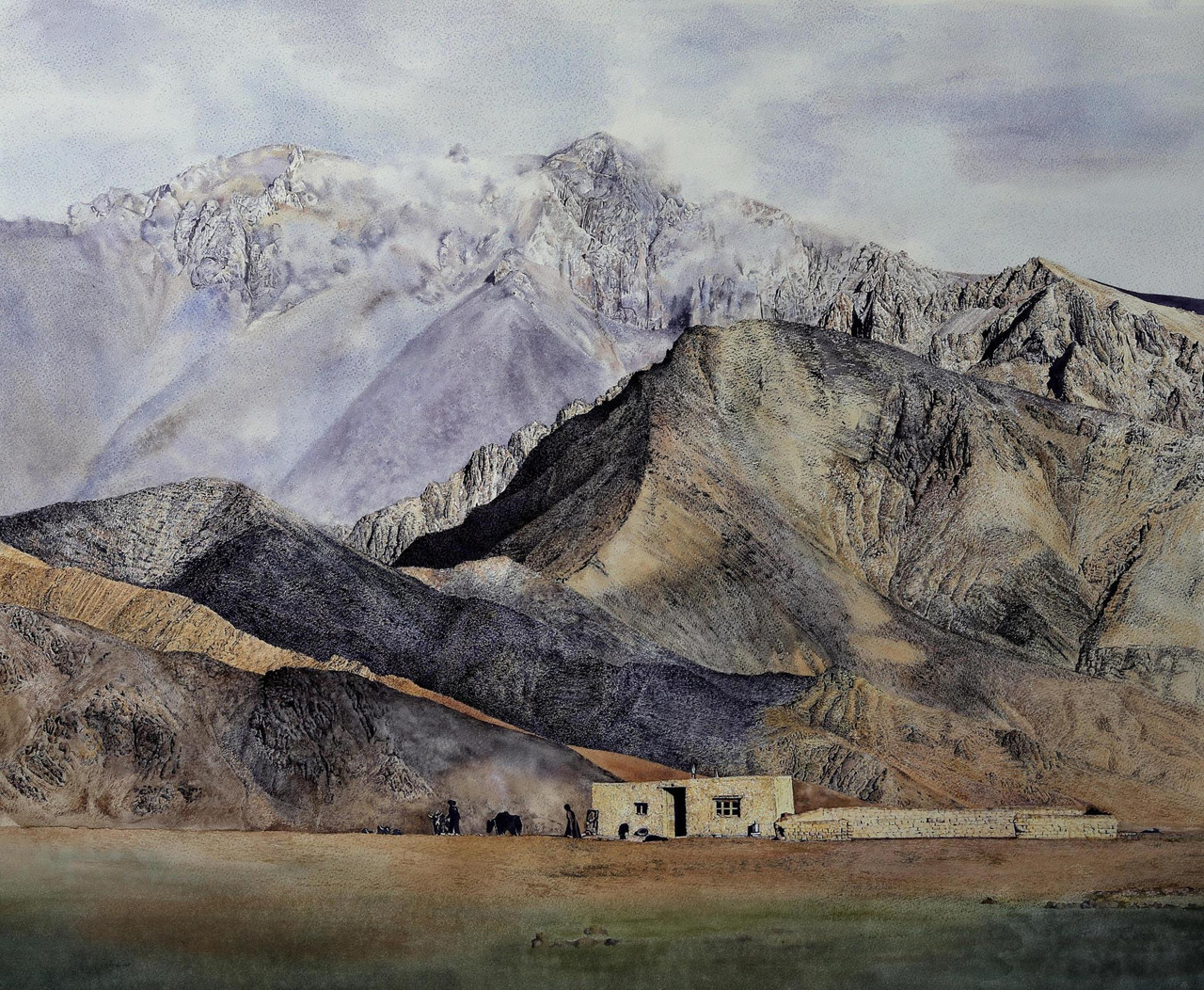
The Importance of Tibet
Tibet, often referred to as the “Roof of the World,” is a region rich in culture, spirituality, and history. Its unique position in the Himalayas, alongside its distinct traditions, makes it an area of great interest to travelers, scholars, and policymakers alike. The significance of Tibet extends beyond its geographical boundaries, influencing a variety of issues including human rights, environmental policy, and international relations, particularly between China and other countries.
Cultural Significance
Tibet has a deep spiritual heritage, primarily influenced by Tibetan Buddhism. Home to thousands of monasteries, including the iconic Potala Palace in Lhasa, the region attracts pilgrims and tourists who are eager to experience its tranquil landscapes and spiritual ambiance. Festivals such as Losar, the Tibetan New Year, showcase vibrant traditions, highlighting the resilience of Tibetan culture despite recent challenges.
Current Political and Environmental Issues
However, Tibet’s rich tapestry of culture is facing significant challenges. In recent years, there have been increasing reports of human rights violations within the region. Reports indicate restrictions on religious practices, surveillance of local populations, and efforts to assimilate Tibetan identity into a broader Chinese culture. The situation has raised the concerns of various international human rights organisations advocating for the rights of the Tibetan people.
Environmental Concerns
Additionally, Tibet’s environment is under threat due to climate change and infrastructural development projects initiated by the Chinese government. The melting of glaciers in the Tibetan Plateau, often referred to as the “Water Tower of Asia,” jeopardises water sources for millions downstream. Environmental activists are calling for sustainable practices in order to protect this sensitive ecosystem, which is critical not only to Tibet but to the broader region.
Conclusion
The future of Tibet remains uncertain as cultural, political, and environmental pressures continue to mount. While there is a glimmer of hope through increased international awareness and advocacy for Tibetan rights, significant challenges remain. As global citizens, staying informed and understanding the complexities of Tibet’s situation is essential. The preservation of Tibet’s unique heritage and the wellbeing of its people are issues that resonate far beyond its borders, highlighting the intertwined nature of humanity, culture, and the environment.