Introduction
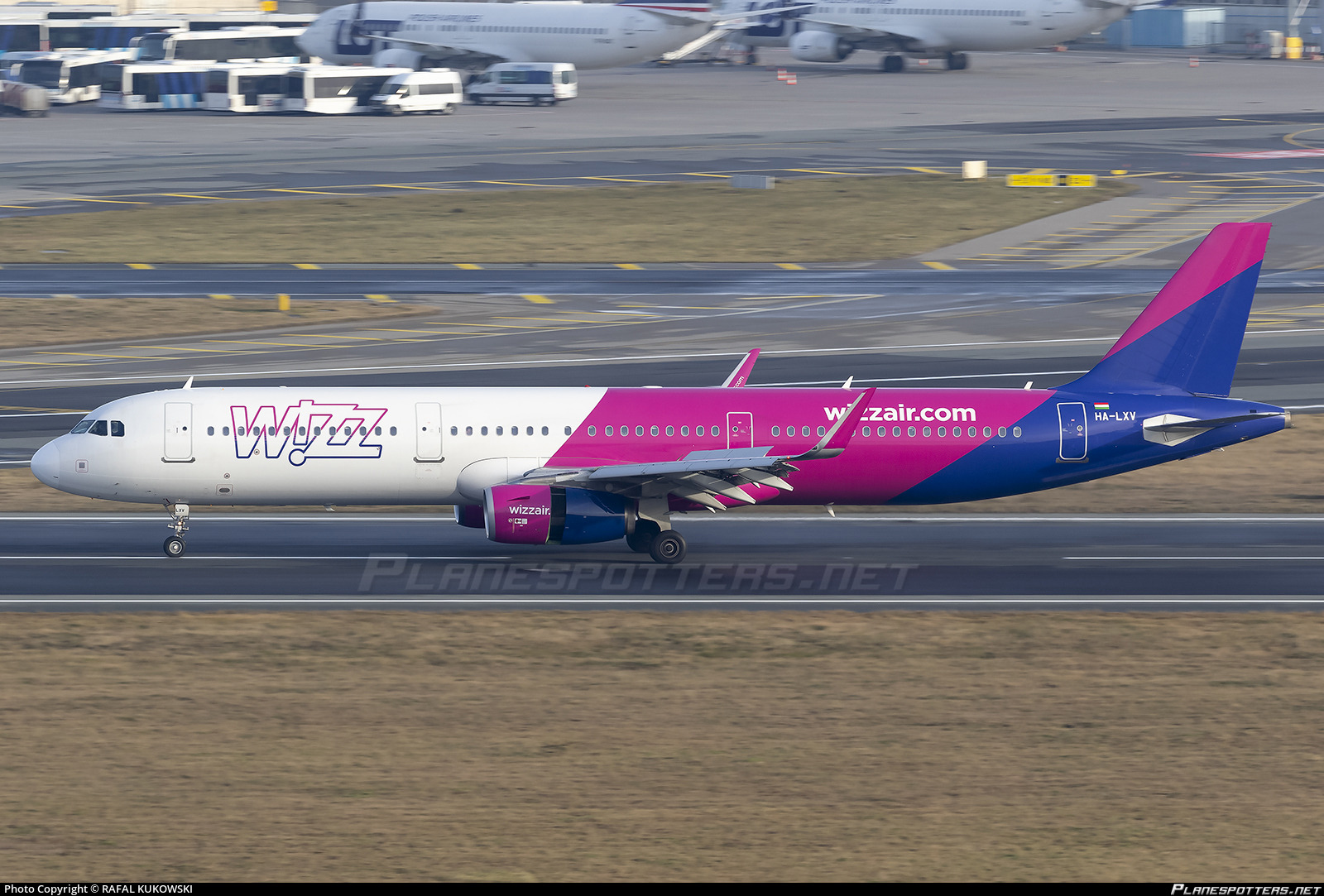
Wizz Air, the Hungarian low-cost airline, has been making waves in the aviation industry by providing affordable air travel options across Europe. Established in 2003, it has evolved into one of the largest budget carriers on the continent, serving millions of passengers each year. As travel restrictions ease post-pandemic, Wizz Air’s relevance in the travel landscape has only increased, making it a focal point for both frequent travellers and casual holidaymakers alike.
Expansion of Routes and Services
In recent months, Wizz Air has announced several new routes to popular destinations, including expansions to existing markets and the introduction of services to less frequented regions. The airline has committed to adding up to 100 new routes in the next year, as part of its aggressive growth strategy. This expansion comes as travel demand surges, with many seeking affordable holidays abroad. Additionally, Wizz Air has pledged to improve its customer service with enhanced flight schedules and the introduction of flexible ticket options to cater to the evolving needs of its passengers.
Sustainability Initiatives
Beyond just low fares, Wizz Air is actively engaging in sustainability efforts aimed at reducing its environmental impact. The airline has initiated a fleet renewal programme, aimed at operating one of the youngest aircraft fleets in the industry, thus minimising carbon emissions. According to company reports, Wizz Air’s emissions per passenger are already among the lowest in European aviation, and it is looking to leverage new technologies to further enhance its eco-friendly practices.
Challenges Ahead
Despite its popularity and growth trajectory, Wizz Air faces a range of challenges as the aviation industry continues to recover from the pandemic. Rising fuel costs, labour shortages, and fluctuating demand present hurdles that could impact profitability and operational capacity. Furthermore, as European airspace becomes increasingly competitive, Wizz Air must navigate price wars with other low-cost carriers whilst maintaining its brand ethos of affordability.
Conclusion
Wizz Air’s ongoing expansion and commitment to sustainability indicate that it will remain a significant player in the European aviation market. For travellers seeking economical options to explore Europe, Wizz Air promises not just affordability, but also an evolving service aimed at enhancing the overall travel experience. As the industry continues to adapt, Wizz Air’s ability to innovate while addressing challenges will be crucial for its long-term success.