Introduction to the Nipah Virus
The Nipah virus, first identified in 1999 during an outbreak in Malaysia, is a zoonotic virus that poses significant health risks to both humans and animals. As global travel increases and human-animal interactions become more frequent, monitoring outbreaks like the Nipah virus is crucial for public health safety.
Current Situation
As of October 2023, India is facing a renewed outbreak of the Nipah virus, primarily in the southern state of Kerala. Authorities have reported several confirmed cases, with health officials tracing contacts of infected individuals to contain the spread. The initial cases emerged in a locality where the virus is believed to have been transmitted from fruit bats, which are known carriers of the virus.
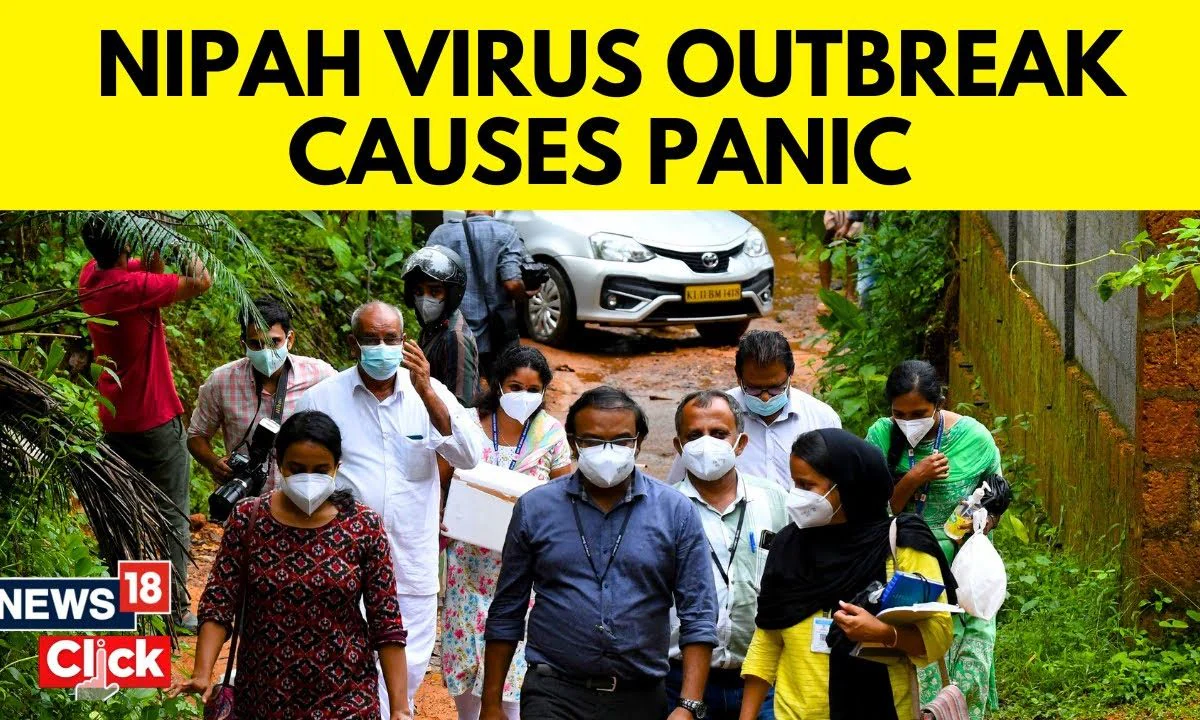
In recent weeks, the Indian government has heightened surveillance in various regions, deploying medical teams to monitor symptoms and educate the local population on preventative measures. As of now, there are a total of 7 confirmed cases, with two fatalities reported, leading to heightened fears of a larger outbreak.
Preventative Measures and Public Response
Authorities have issued guidelines emphasizing the importance of avoiding contact with bats, as well as ensuring proper food hygiene. The rapid deployment of health workers to both rural and urban areas aims to curb any potential spread and identify new cases quickly. Community awareness programmes are being conducted to inform the public about how the virus spreads and preventive practices to adopt.
Conclusion and Future Outlook
The Nipah virus outbreak in India highlights the urgent need for continued surveillance, research, and public health preparedness. While the situation is being managed effectively for now, experts warn that climate change and wildlife displacement can lead to increased risks of zoonotic diseases. The global health community must work together to develop vaccines and treatment strategies, enhancing the capacity to deal with such outbreaks in the future.
As further information becomes available, ongoing updates will be vital for those affected and for public health policies worldwide. Staying informed and prepared is crucial to mitigating the impact of the Nipah virus and similar emerging infectious diseases.