Introduction
Thames Water, serving approximately 15 million customers in London and the Thames Valley, is the largest water and wastewater services provider in the UK. The company plays a crucial role in ensuring the delivery of clean drinking water and the maintenance of environmental standards while managing wastewater. Recent issues surrounding Thames Water’s operations have brought increased scrutiny and raised questions about the sustainability of its water supply and infrastructure.
Current Events and Challenges
In 2023, Thames Water faced significant challenges following reports of financial instability. With a debt exceeding £14 billion, the company is navigating a tough financial landscape while aiming to invest in vital infrastructure upgrades. The ongoing pressure from regulators regarding excessive leaks from its aging pipe system has also placed Thames Water in a precarious position. The company has been under fire as more than 20% of its water is lost through leaks, prompting calls for a substantial overhaul of its infrastructure.
Additionally, Thames Water has recently announced a comprehensive plan to improve its service levels and address leaks, intending to invest £1 billion over the next five years dedicated to replacing old pipes and implementing advanced monitoring technologies. This strategy comes in the wake of serious drought concerns in Southern England exacerbated by climate change, further heightening the urgency for effective water management.
Environmental Impact and Future Outlook
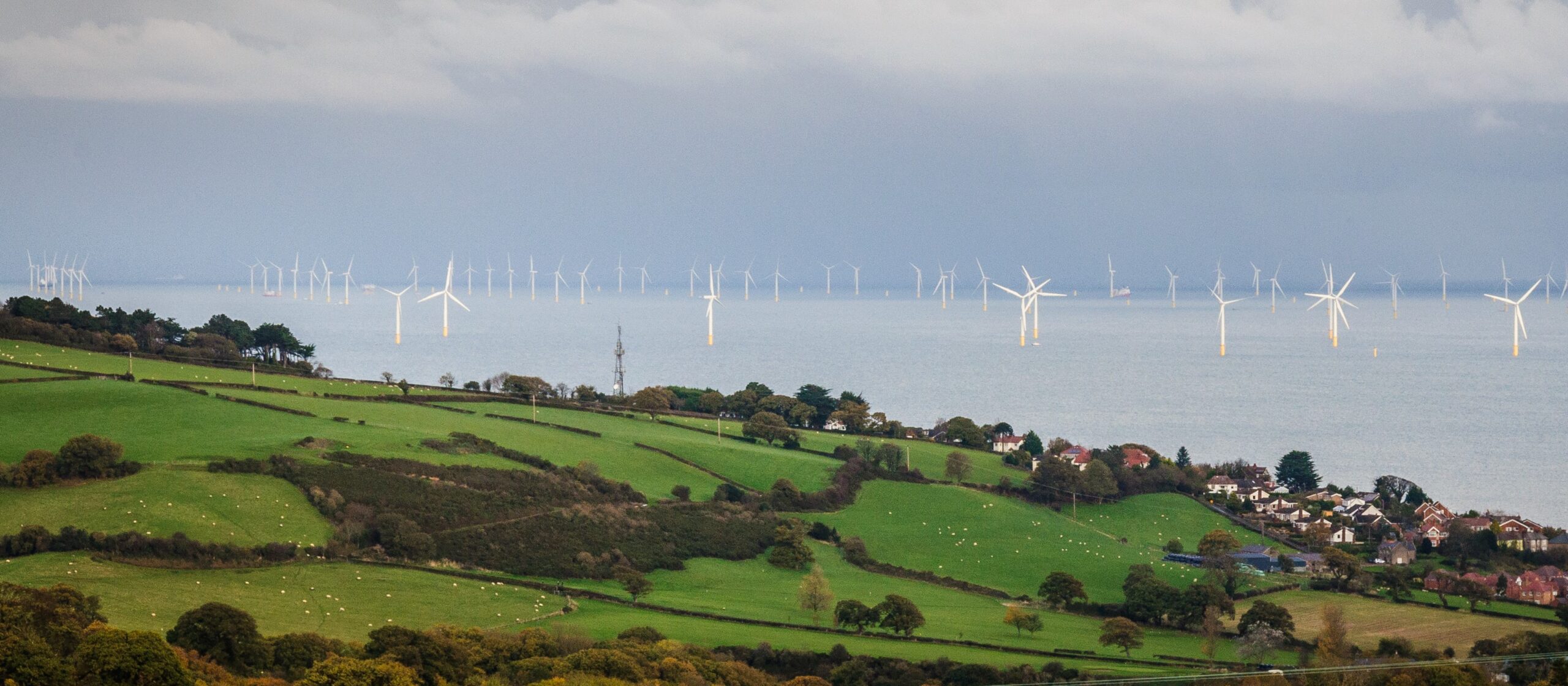
In light of climate change and increasing demand for water, the importance of sustainable practises in the water industry has never been clearer. Thames Water is stepping up its efforts to reduce carbon emissions while enhancing biodiversity around its water resources. This includes investing in renewable energy sources and improving the ecosystems surrounding reservoirs and treatment works.
Experts predict that Thames Water will continue to face scrutiny from regulators and the public. The company’s ability to navigate its financial challenges while delivering the necessary improvements to water quality and service reliability will be critical in the coming years. It is essential for Thames Water to develop a robust strategy that not only addresses current issues but also prepares for future challenges related to climate and sustainability.
Conclusion
As Thames Water works towards resolving its financial and operational challenges, its efforts will have far-reaching implications for the millions of people who rely on its services. The ongoing developments in the company’s strategies will be closely watched by stakeholders and consumers alike, as they anticipate both improvements in service and the long-term sustainability of water resources in the UK.