Introduction
The military capabilities of Iran hold significant importance not only within the country but also throughout the Middle East. As a major player in regional geopolitics, Iran’s military strength, strategies, and partnerships are crucial to understanding ongoing conflicts and stability in the area. With recent developments and increasing tensions, it is essential to analyse the current state of Iran’s military, its advancements, and its strategic role.
Current Military Strength
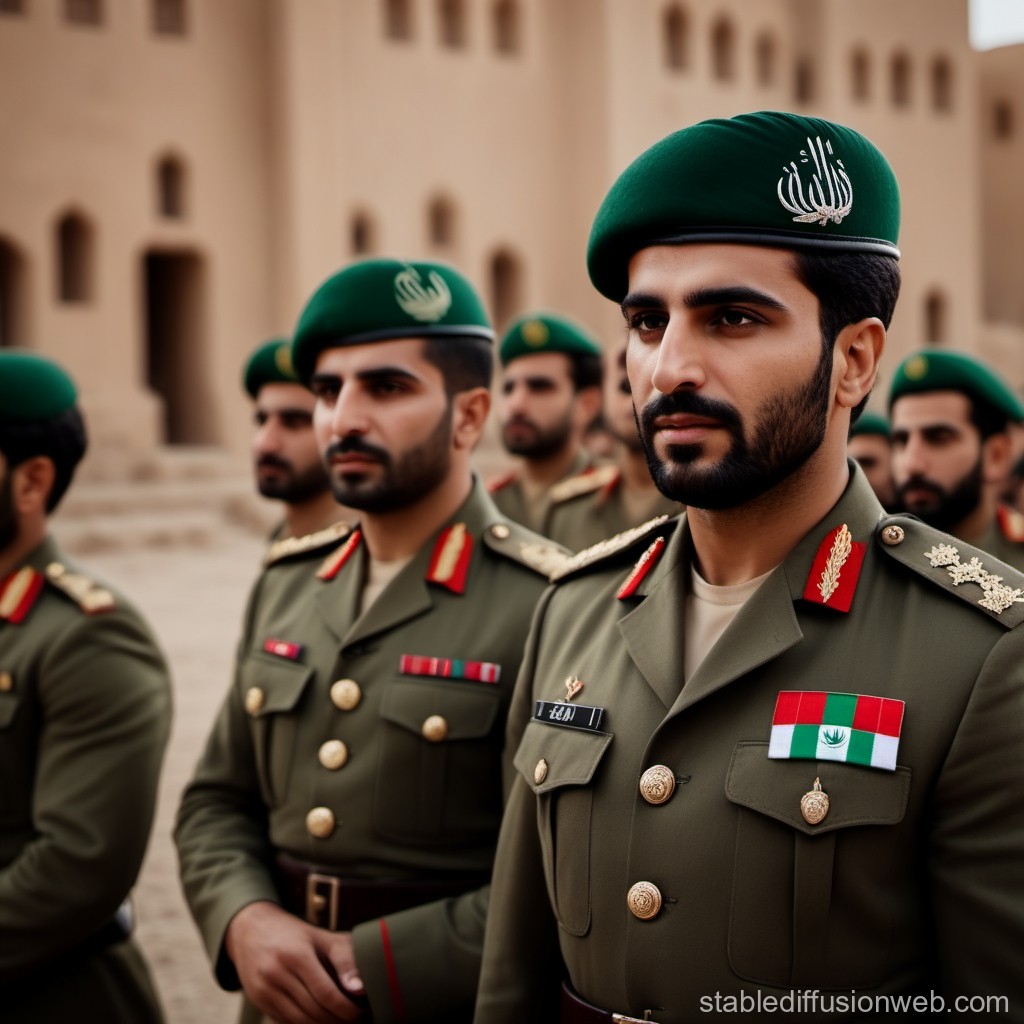
Iran’s military is comprised of two primary forces: the Islamic Republic of Iran Army (Artesh) and the Islamic Revolutionary Guard Corps (IRGC). The Iranian Armed Forces are estimated to consist of around 500,000 active personnel, supported by a large reserve force. The IRGC, which is separate from the regular army, plays a critical role in both conventional and unconventional warfare, focusing on Iran’s borders, national stability, and the Islamic regime’s survival.
In recent years, Iran has invested heavily in its military technology, particularly in missile technology and drone capabilities. The country claims to have developed a series of indigenous defence systems, including ballistic and cruise missiles, which are believed to pose a considerable threat to regional adversaries, particularly Israel and Saudi Arabia. Recent parades showcasing advanced military technology underscore Iran’s commitment to strengthening its defence systems amidst increasing sanctions and diplomatic isolation.
Geopolitical Influence
Iran’s military presence extends far beyond its borders, as it supports various non-state actors and militias in Iraq, Syria, Lebanon, and Yemen. Through its backing of groups like Hezbollah and the Houthis, Iran has established a network of influence, which has heightened tensions with its regional rivals and the United States. The ongoing conflicts in Syria and Yemen have become arenas for Iran to project its military power and assert its interests.
Additionally, Iran’s military alliances with countries like Russia and China have further fortified its strategic capabilities. Joint military exercises, arms purchases, and intelligence sharing with these nations solidify Iran’s position as a crucial player in the changing dynamics of global politics.
Conclusion
The significance of Iran’s military capabilities cannot be understated in the context of regional stability and international relations. As Iran continues to bolster its military strength and maintain its alliances, it remains a focal point of geopolitical tensions. Analysts predict that the evolving military landscape in Iran could lead to further conflicts or diplomatic negotiations in the future. Understanding Iran’s military strategies is essential for stakeholders in the region and beyond, as well as for forecasting potential shifts in Middle Eastern geopolitics.