Introduction
Fuel prices have become a significant concern for consumers and businesses alike, as they directly affect not only transportation costs but also the overall economy. The fluctuations in fuel prices, driven by global market trends, geopolitical events, and supply-demand dynamics, continue to make headlines.
Recent Trends
As of October 2023, fuel prices have seen noticeable increases due to several factors. Global crude oil prices have surged, reaching over $90 a barrel, primarily attributed to upheavals in oil-producing regions and OPEC+ production cuts. These rising crude prices have a domino effect on retail fuel prices, with many countries witnessing higher costs at the pump.
The UK has been particularly affected, with petrol prices averaging around £1.60 per litre and diesel at about £1.70 per litre, which is a significant increase compared to the previous year. The rising costs have prompted concern among consumers who are struggling with their budgets and have raised discussions about the potential impacts on inflation rates.
Government Response
In response to the rising fuel prices, many governments have initiated discussions on possible measures to alleviate the burden on consumers. In the UK, there are calls for a reduction in fuel duty as well as the implementation of subsidies for public transportation to encourage its use and offset the need for private vehicle reliance.
Consumer Impact
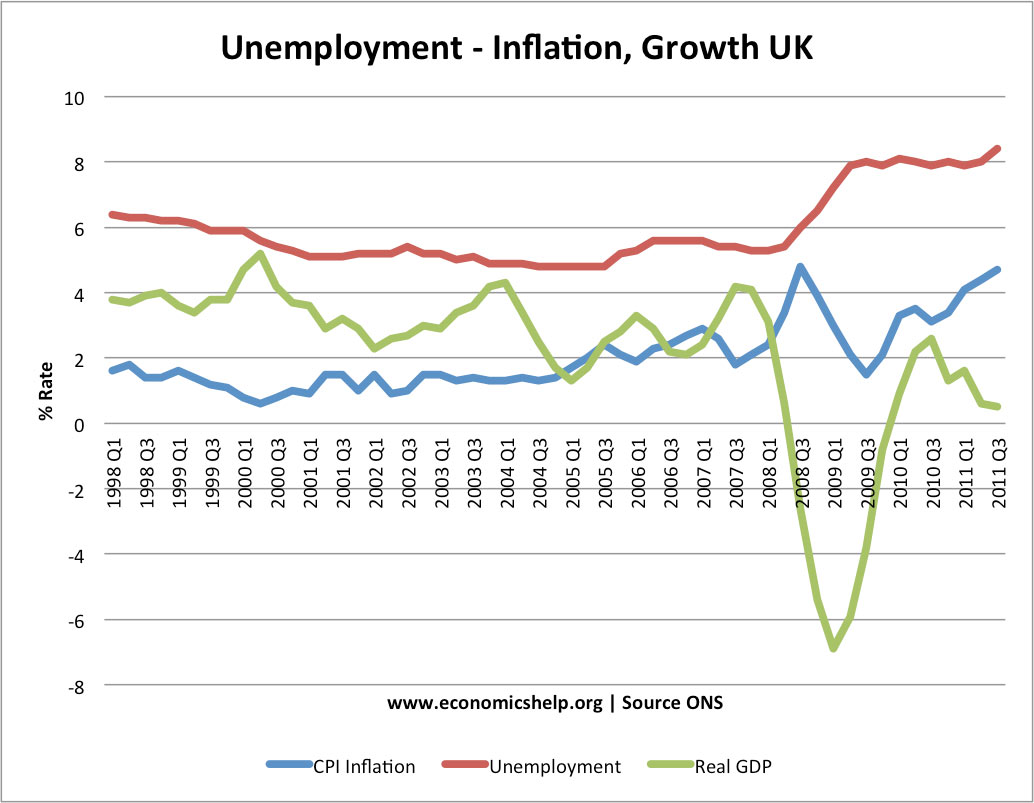
The increase in fuel prices is not only hitting individual consumers hard but also affecting businesses, especially those reliant on transportation and logistics. Higher costs are often passed down to the consumer in the form of increased prices for goods and services. This can lead to a significant ripple effect on inflation, which is a key concern for policymakers.
Conclusion
Fuel prices are set to remain a contentious topic as they evolve in response to both global events and local economic conditions. While short-term measures may provide some relief, long-term solutions are necessary to address the structural issues contributing to high fuel prices. Consumers are advised to stay informed about potential government initiatives and to consider the implications of fuel costs on their overall expenditure. As fuel prices fluctuate, understanding these dynamics will be essential for budgeting and financial planning.