Introduction
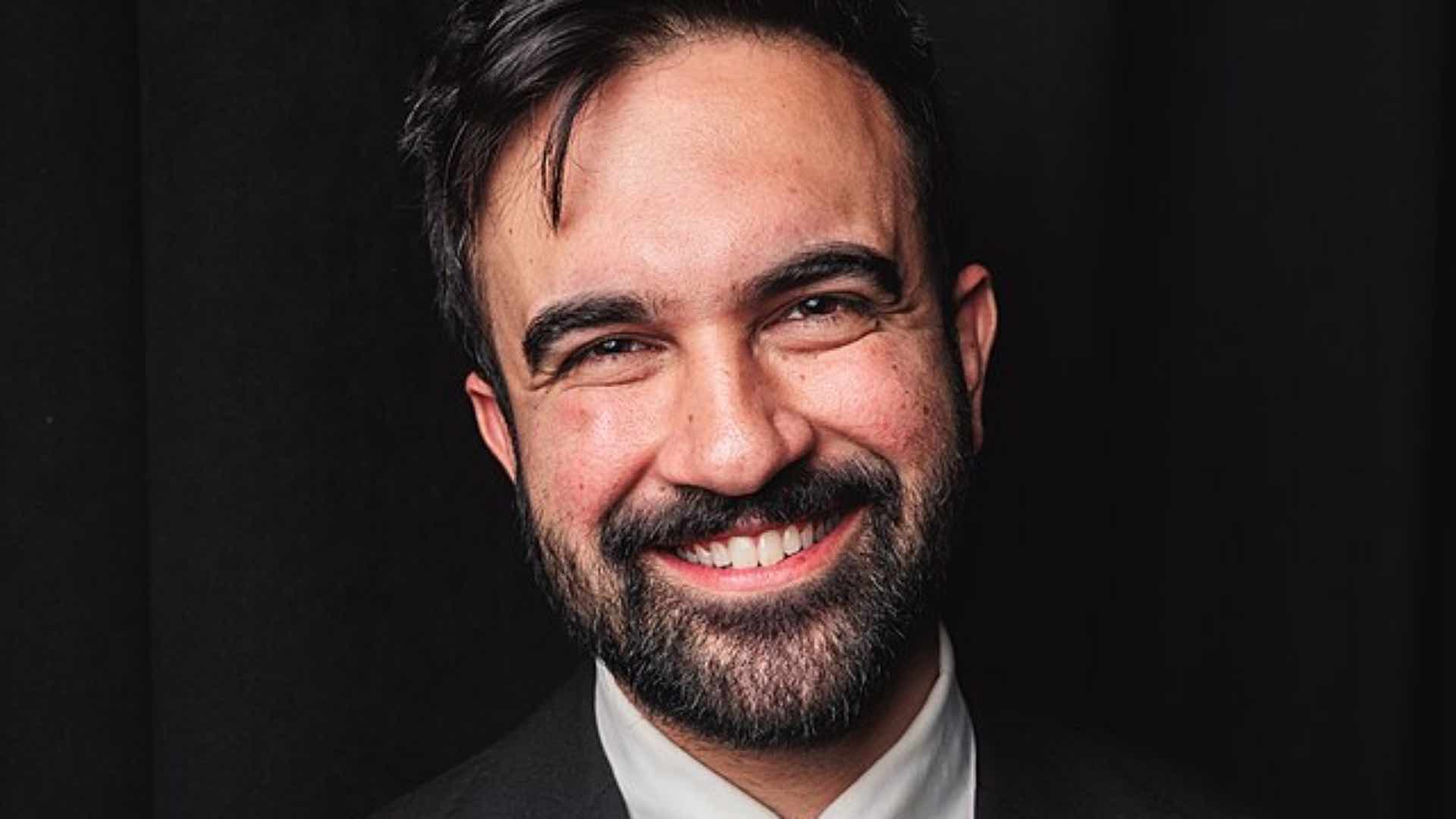
Zohran Mamdani is emerging as a significant figure in the realm of New York politics, representing the 36th Assembly District. His rise to prominence is pivotal amid increasing political engagement among young voters and communities of colour. As the son of filmmaker Birju Mamdani and academic Lila Abu-Lughod, Mamdani brings forward a fresh perspective rooted in his diverse heritage, which resonates with many constituents looking for change.
A Voice for the Community
Representing a district that encompasses parts of Astoria and other culturally rich neighbourhoods, Mamdani has focused on various progressive issues, including housing affordability, education reform, and environmental justice. His dedication to these causes has made waves since he took office, especially in light of New York’s ongoing housing crisis which disproportionately affects working-class families.
Recent Achievements
In the wake of recent challenges, Mamdani has been at the forefront of legislative efforts aimed at reforming housing policies. He successfully advocated for increased funding for affordable housing projects and campaigned against discriminatory practices in rent-stabilised apartments. Furthermore, he has been a vocal advocate for climate action within the New York Assembly, pushing for state-level initiatives to address and combat climate change.
Community Engagement
Mamdani’s approach to politics is deeply rooted in community engagement. He regularly holds town halls and outreach events, ensuring that constituents have a platform to voice their concerns. His transparency and accessibility have endeared him to many residents, fostering a sense of trust that is often lacking in political representation.
Future Outlook
As Mamdani continues to advocate for progressive change in the New York Assembly, he reflects a growing trend of younger leaders reshaping the political landscape. Many observers believe that his commitment to social justice, equity, and community empowerment could inspire a new generation of activists and politicians. Looking ahead, Mamdani’s influence may expand beyond local initiatives, potentially positioning him to play a crucial role in statewide and national conversations around equity and justice.
Conclusion
Zohran Mamdani’s ascent in New York politics is an encouraging development for those advocating for progressive change. His focus on issues affecting the most vulnerable communities sets a precedent for leadership that prioritises social equity and sustainability. As Mamdani continues to navigate his role, constituents will be watching closely, with high hopes for meaningful change in the years to come.