Introduction
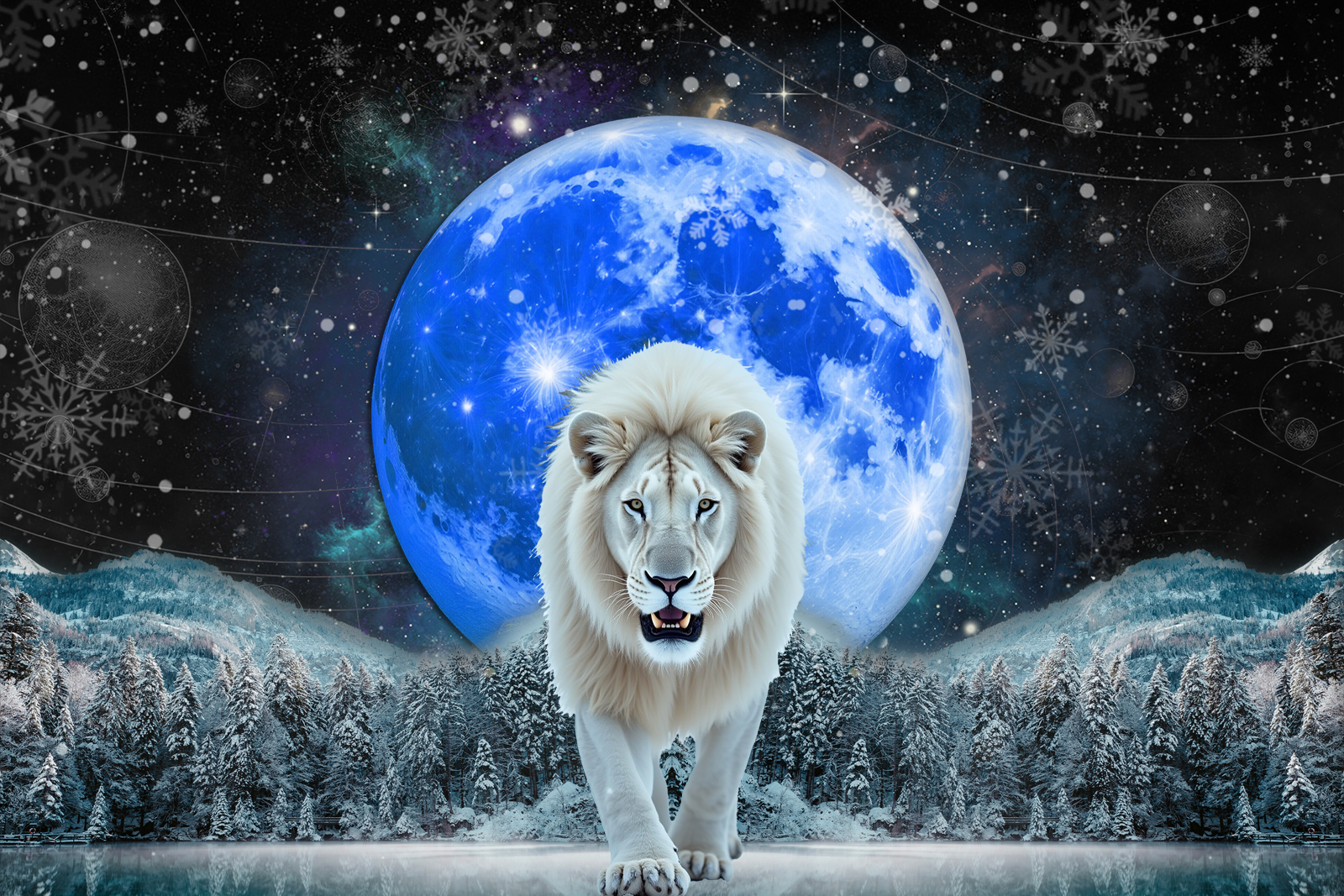
The Snow Moon, the first full moon of February, holds a special significance in many cultures. Named after the heavy snowfall that typically occurs during this month in North America, the Snow Moon reflects the unique relationship between celestial events and seasonal changes. Observing this full moon provides not only a stunning visual spectacle but also an opportunity to connect with history and traditions associated with it.
Historical Context
Traditionally, the Snow Moon has been used by Native American tribes to mark the time of year when food resources were scarce due to harsh winter conditions. For many tribes, this time was critical as they prepared for the upcoming spring. Historical records indicate that different tribes had various names for this moon, often influenced by local conditions and environmental changes.
Significant Events around the Snow Moon
This year’s Snow Moon will occur on February 5, 2023, offering sky watchers an opportunity to witness the moon’s brilliance on the same night as the total lunar eclipse, making it a particularly noteworthy event. Astronomers recommend finding a dark area to fully appreciate its glow and the accompanying celestial show.
Cultural Celebrations
The Snow Moon is not only celebrated for its beautiful sight but also for the various traditions that surround it. Some cultures engage in rituals to honour the moon’s presence, while others participate in community gatherings or celebrations that align with the lunar cycle. In recent years, more people have become involved in celebrating full moons, often participating in full moon hikes or gatherings to observe the skies together.
Conclusion
As we approach the Snow Moon this February, it is a reminder of nature’s cycles and the traditions that have been carried through generations. For those interested in astronomy or simply looking to enjoy a peaceful evening under the stars, this event offers a chance to appreciate the beauty of the winter landscape illuminated by the full moon. As climate change continues to affect seasonal patterns, events like the Snow Moon provide an important opportunity for reflection on our environment and its rhythms.