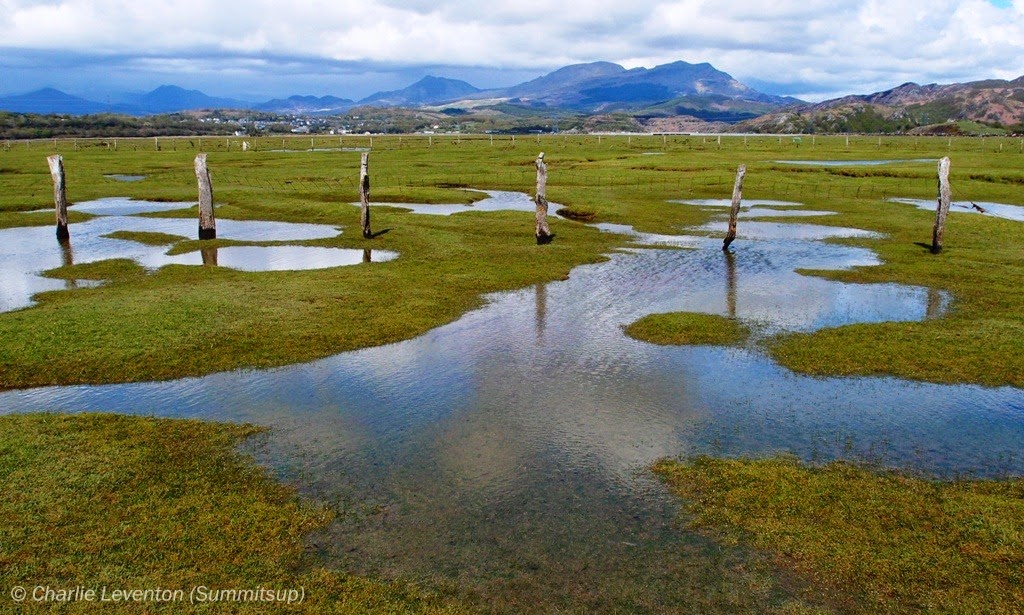
Introduction
Salt marshes are critical coastal ecosystems, playing a significant role in biodiversity, water purification, and flood protection. Understanding the intricacies of the life forms and processes operating under the salt marsh is vital, as these areas face numerous environmental threats, making their conservation more important now than ever.
The Importance of Salt Marshes
Salt marshes provide numerous ecological benefits, such as serving as nurseries for various marine species, including fish and crustaceans. They act as buffers against storm surges, reducing flooding risk in coastal communities, and also sequester carbon, assisting in climate regulation. According to the International Union for Conservation of Nature (IUCN), these ecosystems can store significant amounts of carbon, potentially mitigating climate impact.
Exploring the Biodiversity
Under the salt marsh, a complex web of life thrives. Various species of plants, such as cordgrass, grow in saline conditions, helping stabilise the soil. This root structure supports a host of organisms, including invertebrates like crabs and shrimp, which play crucial roles in the food chain. Moreover, migratory birds rely on salt marshes for nourishment and refuge during their travels.
Current Threats Facing Salt Marshes
Despite their importance, salt marshes are experiencing decline due to urban development, pollution, and climate change. Rising sea levels and increased salinity from ocean intrusion threaten native species and disrupt habitats. A recent study published in the journal ‘Nature Communications’ highlighted that approximately 30% of the world’s salt marshes could be lost by 2050 if current trends continue.
Conservation Efforts
Efforts to protect salt marsh habitats are gaining momentum, with various organisations launching initiatives focused on restoration and education. Governments and NGOs are collaborating to implement strategies such as creating protected areas, restoring degraded sites, and promoting sustainable land use. Community involvement is also crucial, as local stakeholders can help raise awareness and contribute to conservation efforts.
Conclusion
Understanding the significance of what lies under the salt marsh is essential for fostering awareness and promoting conservation. As climate change poses serious threats, protecting these ecosystems is vital for biodiversity, coastal communities, and overall environmental health. Continued research, conservation efforts, and community involvement will be key to ensuring that salt marshes thrive for generations to come.