Introduction
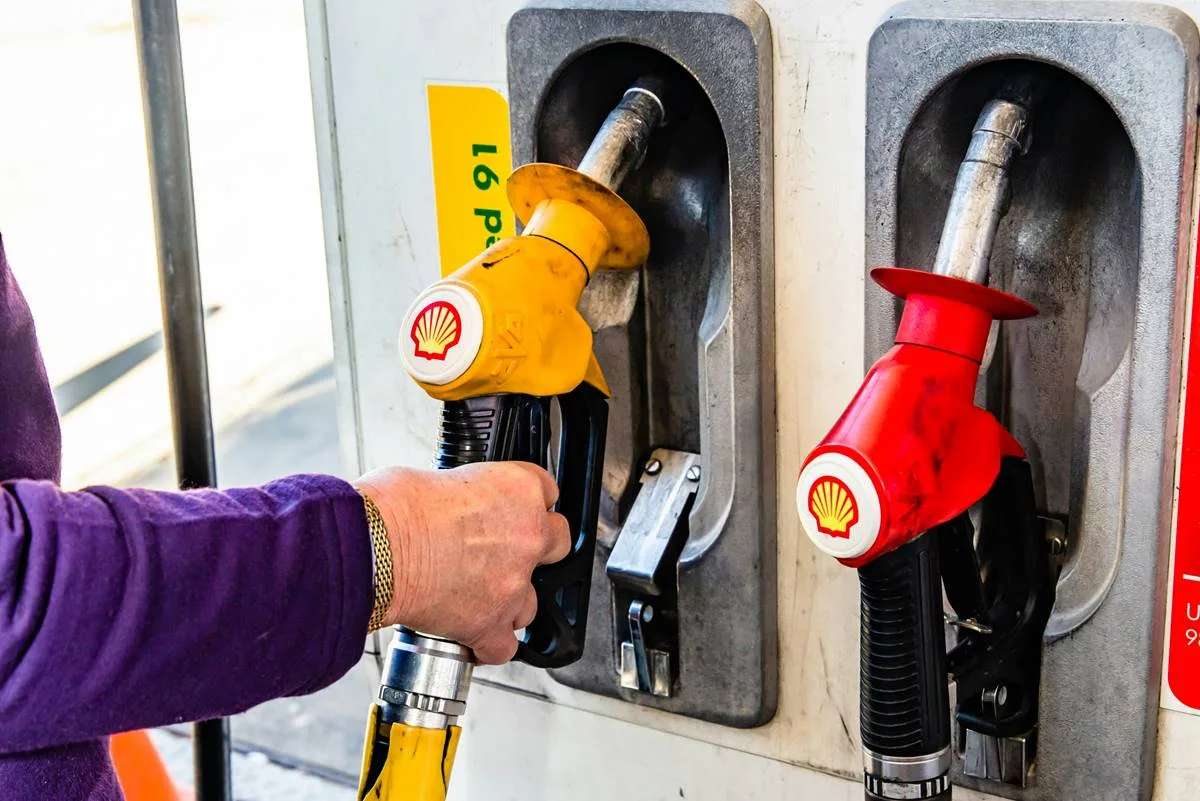
Petrol prices have become a pivotal topic in recent months, affecting not just motorists but also the economy as a whole. The volatility in pricing reflects broader economic conditions, including inflation, crude oil prices, and geopolitical events. With rising costs impact on daily life, understanding the current trends in petrol prices is increasingly relevant for consumers and policymakers alike.
Recent Trends
As of October 2023, petrol prices in the UK have experienced significant fluctuations. According to the AA, the average petrol price has risen to around £1.50 per litre, a dramatic increase from the prior year. This increase has been attributed to several factors, including ongoing turmoil in global oil markets, where crude oil prices surged past $90 a barrel, driven by production cuts from Saudi Arabia and Russia.
In addition to external factors, UK-facing issues such as taxation and local demand have also led to increased costs at the pump. The government has been under pressure to address these rising costs, as they weigh heavily on consumers already grappling with high living expenses. Recent statistics reveal that a typical household is now spending approximately £300 more annually due to petrol price increases.
Geopolitical Influences
Events in the Middle East continue to pose risks to oil supply and pricing. The ongoing conflict in the region has led to fears of supply disruptions, further contributing to the uncertainty in crude oil prices. Additionally, as countries transition to alternative energy sources amid climate change concerns, demand for fossil fuels remains unpredictable.
Forecasts and Consumer Response
Looking ahead, market analysts predict that petrol prices may stabilise in the coming months if global production levels increase or if geopolitical tensions ease. However, fluctuations remain a reality due to the unpredictable nature of global oil markets. Consumers are advised to stay informed and consider alternative transport options, such as public transit or electric vehicles, to mitigate their exposure to rising fuel costs.
Conclusion
The dynamics of petrol prices present a significant concern for consumers in the UK and beyond. With economic pressures and geopolitical uncertainties continuing to influence prices, staying informed is crucial. Policymakers and consumers alike must navigate this landscape carefully, considering sustainable practices and potential policy changes to alleviate economic strain. Understanding the factors that shape petrol prices remains essential for making informed decisions in our daily lives.