Introduction
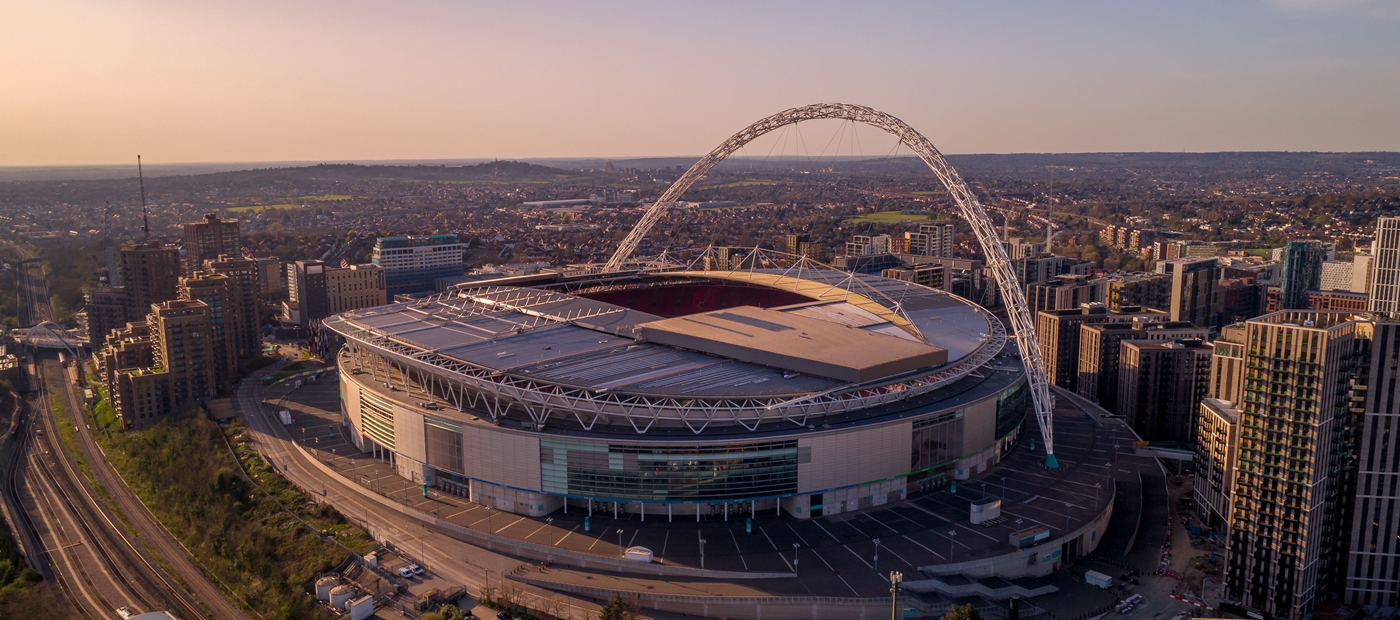
Wembley Stadium holds a paramount position in the realm of sports and entertainment. This iconic venue, known for its impressive architecture and rich history, serves as the home for English football and a host of international events.
Historical Significance
Originally opened in 1923, the stadium has undergone significant renovations, with the current structure unveiled in 2007. Wembley has hosted pivotal moments in sports history, including the 1966 FIFA World Cup Final, where England claimed its first title. It continues to be a symbol of national pride and sporting achievement.
Recent Events
In recent years, Wembley Stadium has accommodated numerous high-profile events. The UEFA Euro 2020 final, held in 2021 due to pandemic delays, attracted global attention as Italy triumphed over England in a gripping penalty shootout. Moreover, the stadium regularly hosts the FA Cup Final and the semi-finals, making it a hub for football fans across the country.
Future Prospects
The coming years promise an exciting lineup at Wembley, with plans for further international matches and concerts by top artists. The stadium is poised to continue its role as a premier venue for the world of sports and entertainment, enhancing its status on the global stage.
Conclusion
Wembley Stadium remains a cornerstone of British culture and sports. Its historical relevance and ongoing commitment to hosting landmark events ensure that it continues to be a vital part of the UK’s sporting identity. The future looks bright for this legendary venue, as it continues to thrill fans and spectators alike.