Introduction
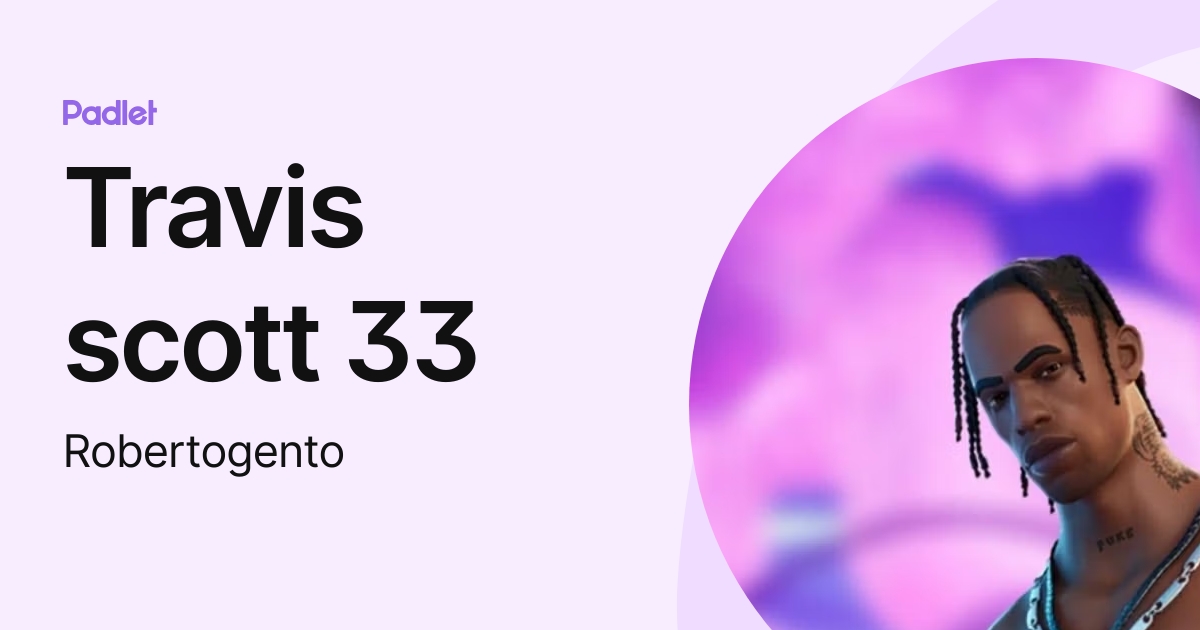
Travis Scott, an iconic figure in modern hip-hop, has been making waves in the music industry since his breakthrough. With his unique sound, lavish performances, and collaborations with other artists, Scott has redefined the norms of hip-hop and pop culture. As his influence continues to grow, understanding his trajectory provides insights into the current landscape of the music industry.
Early Life and Career
Born Jacques Webster II in Houston, Texas, in 1991, Travis Scott’s journey in music began at a young age, influenced by the vibrant Houston music scene. He first gained recognition with his mixtapes, particularly “Owl Pharaoh” and “Rodeo,” which showcased his innovative approach to rap and production. His ability to create immersive musical experiences led to collaborations with industry heavyweights, including Drake and Rihanna, and an ever-growing fanbase.
Recent Events and Projects
This year, Travis Scott has been in the spotlight for various reasons, including his highly anticipated album release, “Utopia,” which aims to push boundaries further in his signature style. The album is expected to feature a blend of genres, combining elements of hip-hop, rock, and electronic music. Shortly after the album’s announcement, Scott launched a series of pop-up events across major cities, allowing fans an interactive experience with the music before its official release.
Furthermore, in August 2023, Travis Scott made headlines with his first major festival appearance since the Astroworld incident, performing at the Rolling Loud festival in Miami. His return to the stage has been met with a mix of excitement and scrutiny, marking a significant moment in his career as he seeks to reassure fans and critics alike of his commitment to safety and artistry.
Impact on Culture and Industry
Travis Scott’s impact extends beyond music; he has established himself as a cultural icon through fashion collaborations and branding ventures. His partnership with McDonald’s in 2020 created a unique synergy between fast food and hip-hop culture, showcasing his ability to engage diverse audiences. Moreover, his wholly immersive concerts and innovative use of technology during live performances set new standards within the music industry.
Conclusion
As Travis Scott continues to evolve as an artist, his influence on hip-hop and popular culture remains significant. The upcoming release of “Utopia” and his recent live performances suggest a reinvigorated passion in his artistry. For fans and industry observers alike, the journey of Travis Scott illustrates the complexities of navigating fame, creativity, and responsibility in today’s music landscape. Looking ahead, it will be intriguing to see how he shapes the future of hip-hop and addresses the challenges of his past.