Importance of the Hong Kong Dollar
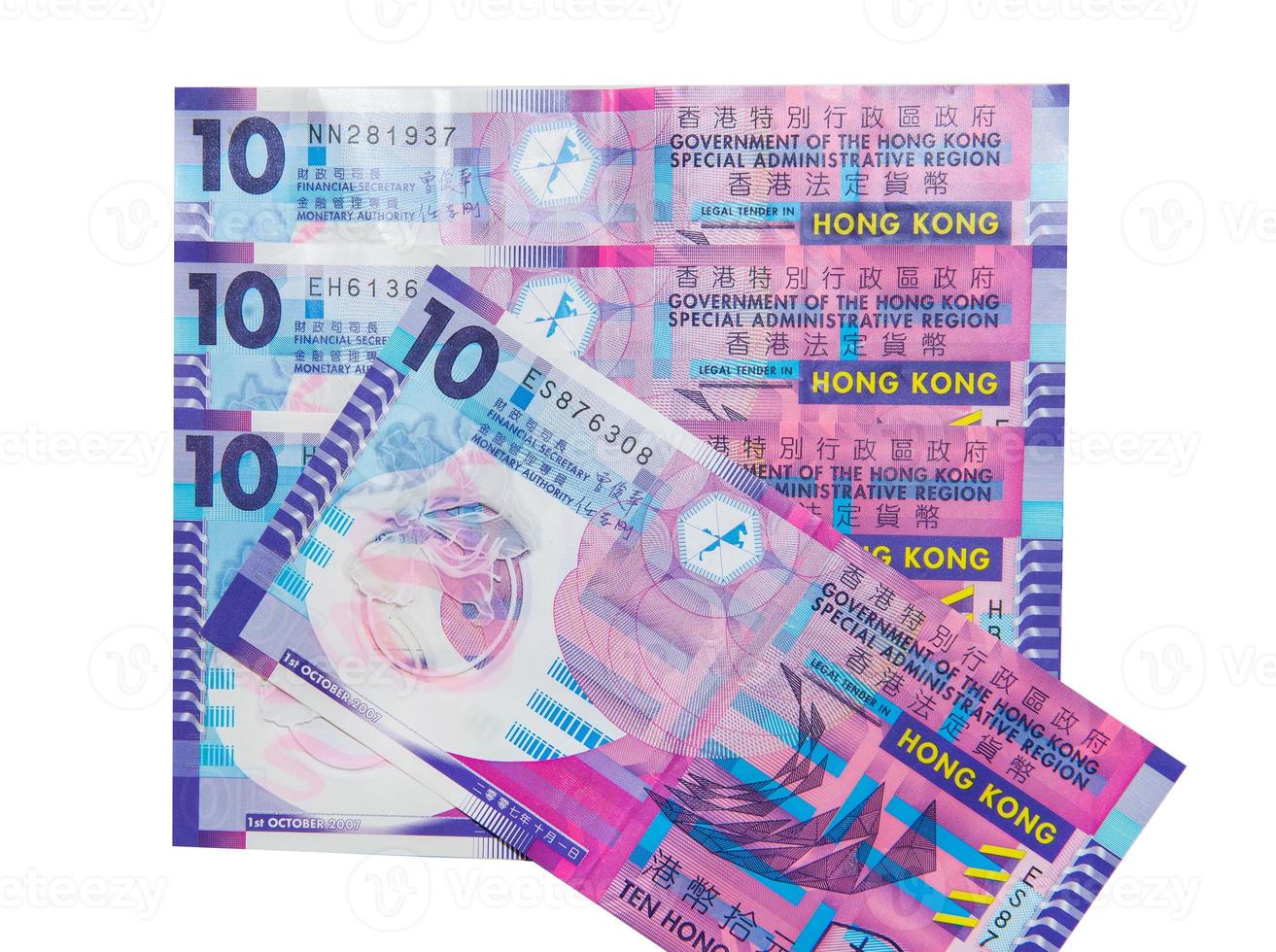
The Hong Kong Dollar (HKD) is not only the official currency of Hong Kong but also a major global currency that plays a significant role in the financial markets. As a highly traded currency, it is vital for international trade, investment, and tourism. Recent trends in the value of the HKD reflect broader economic shifts in Asia, making it essential for investors and businesses to stay informed about its movements.
Current Economic Trends
In recent months, the Hong Kong Dollar has shown resilience despite fluctuations in the global economy. As of October 2023, the HKD remains pegged to the US Dollar at a rate of approximately 7.85 HKD to 1 USD, a system that has been in place since 1983. This peg is crucial for maintaining economic stability in Hong Kong, particularly in a region known for its dynamic financial landscape.
Recent economic data indicates a moderate recovery in Hong Kong following the impact of the COVID-19 pandemic. The city’s GDP growth rate has improved by an estimated 3.5% in the last quarter, with tourism showing signs of resurgence. However, ongoing geopolitical tensions and uncertainties in the global market continue to pose challenges that could impact the HKD’s stability.
The Role of the HKD in Global Markets
The Hong Kong Dollar is widely used in global finance, serving as a crucial liquidity source for many multinational companies. It is a major funding currency in Asia, with financial institutions using HKD to facilitate trade and investments across the region. The currency is also increasingly included in global currency reserves, highlighting its importance.
Furthermore, the Hong Kong Monetary Authority (HKMA) has implemented measures to maintain the stability of the HKD, including interest rate adjustments and market interventions. This commitment to safeguarding the currency’s value has earned the trust of both local and international investors.
Future Outlook
Looking ahead, analysts predict that the Hong Kong Dollar will continue to be influenced by both regional and global economic factors. With expected interest rate changes in the US and potential economic reforms in mainland China, the HKD may experience increased volatility. Investors should monitor these developments closely as they may reveal opportunities or risks.
Conclusion
In summary, the Hong Kong Dollar remains a cornerstone of the region’s economy and a significant player in global finance. Its current stability, coupled with the potential for growth in Asia, presents both challenges and opportunities for investors. Understanding the dynamics of the HKD is essential for navigating the evolving financial landscape.