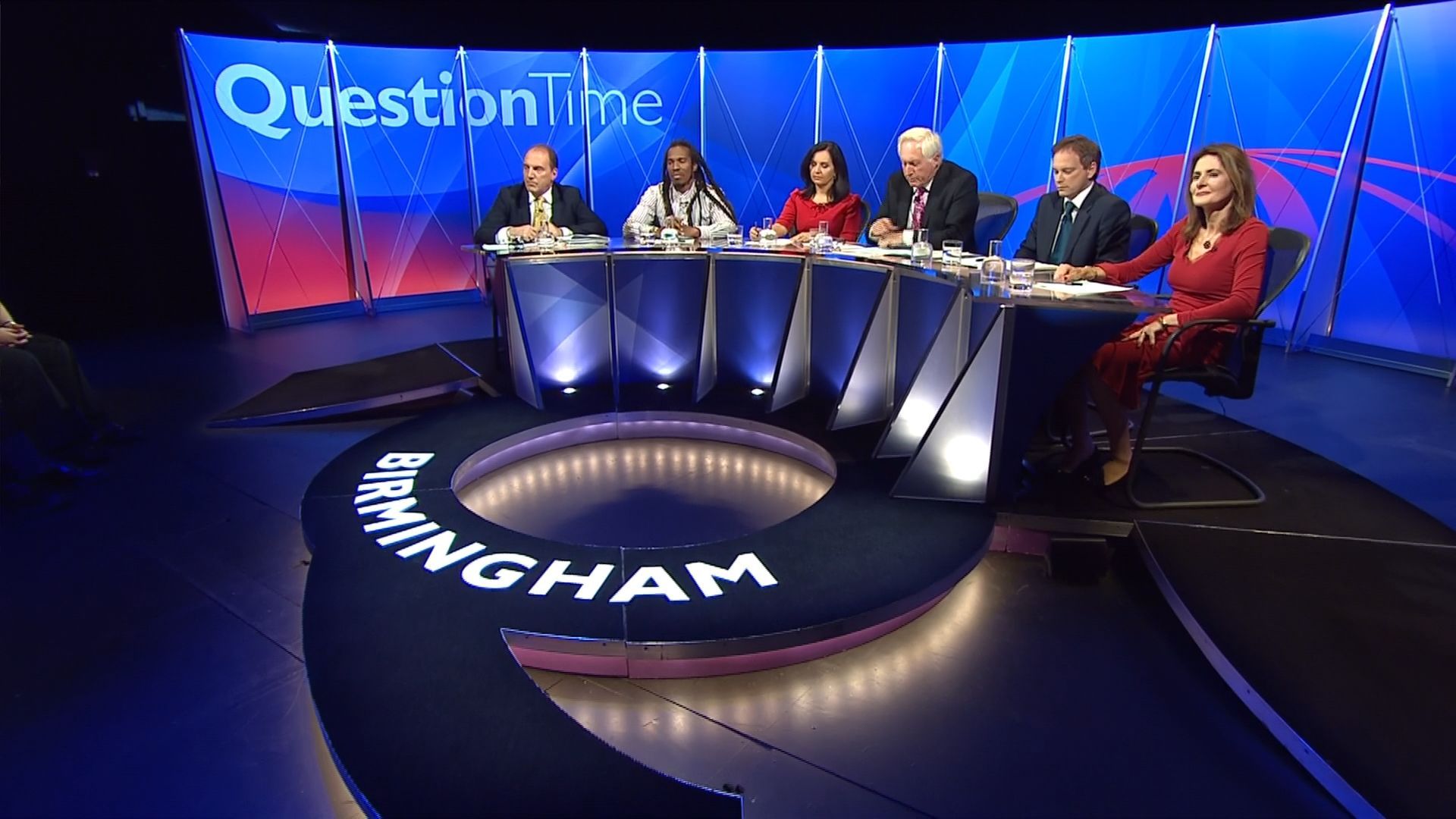
The Relevance of Question Time
Question Time is a significant aspect of the United Kingdom’s political landscape, providing a platform for Members of Parliament (MPs) to hold the government accountable. This weekly event, taking place in both the House of Commons and the House of Lords, enables MPs to question government ministers on their policies, decisions, and actions. The importance of Question Time cannot be overstated, as it serves not only as a tool for political scrutiny but also as a means of engaging the public in the democratic process.
How Question Time Works
During Question Time, MPs have the opportunity to ask oral questions to the government ministers. Prime Minister’s Questions (PMQs), held every Wednesday, garners particular attention, offering a lively exchange between the Prime Minister and MPs. The Speaker of the House of Commons oversees the proceedings, ensuring that questions are directed appropriately and that debates remain orderly. Each session is time-bound, with ministers required to respond succinctly to each question within a limited timeframe. This structure ensures that a variety of topics are covered, reflecting the concerns of constituents nationwide.
Recent Developments in Question Time
In recent months, Question Time has gained heightened interest due to pressing issues such as the ongoing cost of living crisis and the UK’s foreign policy decisions. For instance, during a recent PMQs session, the Prime Minister faced a barrage of questions regarding government spending cuts and their impact on public services. Additionally, MPs raised concerns about the government’s stance on international relations, particularly with regard to the situation in Ukraine. The responses and debates that unfold during these sessions are crucial, as they shape public perception and inform citizens about government accountability.
The Significance for Citizens
For the public, Question Time is more than just a parliamentary procedure; it is a window into the functioning of government. It allows citizens to hear directly from their elected officials and see how their concerns are being addressed in Parliament. This transparency is vital for fostering trust in governmental institutions. As interest in politics continues to rise, platforms like Question Time are increasingly important for promoting civic engagement and encouraging informed discussions on national issues.
Conclusion
In summary, Question Time represents a crucial mechanism for parliamentary accountability and public engagement in the UK. As political dynamics evolve, the relevance of Question Time continues to grow, underscoring its role in the democratic process. Moving forward, it is essential that both MPs and citizens actively participate in this process, ensuring that their voices are heard and that the government remains answerable to the electorate.