Introduction
The Greenland movie, released in late 2020, stands out as an exhilarating disaster thriller that captivates audiences with its gripping narrative about survival against nature’s fury. As global interest in climate-related themes continues to rise, the film’s portrayal of catastrophic events resonates profoundly with viewers. Its relevance becomes even more significant considering the discussions surrounding global warming and impending natural disasters, making it a topic of interest for both cinema enthusiasts and environmental observers.
Plot Overview
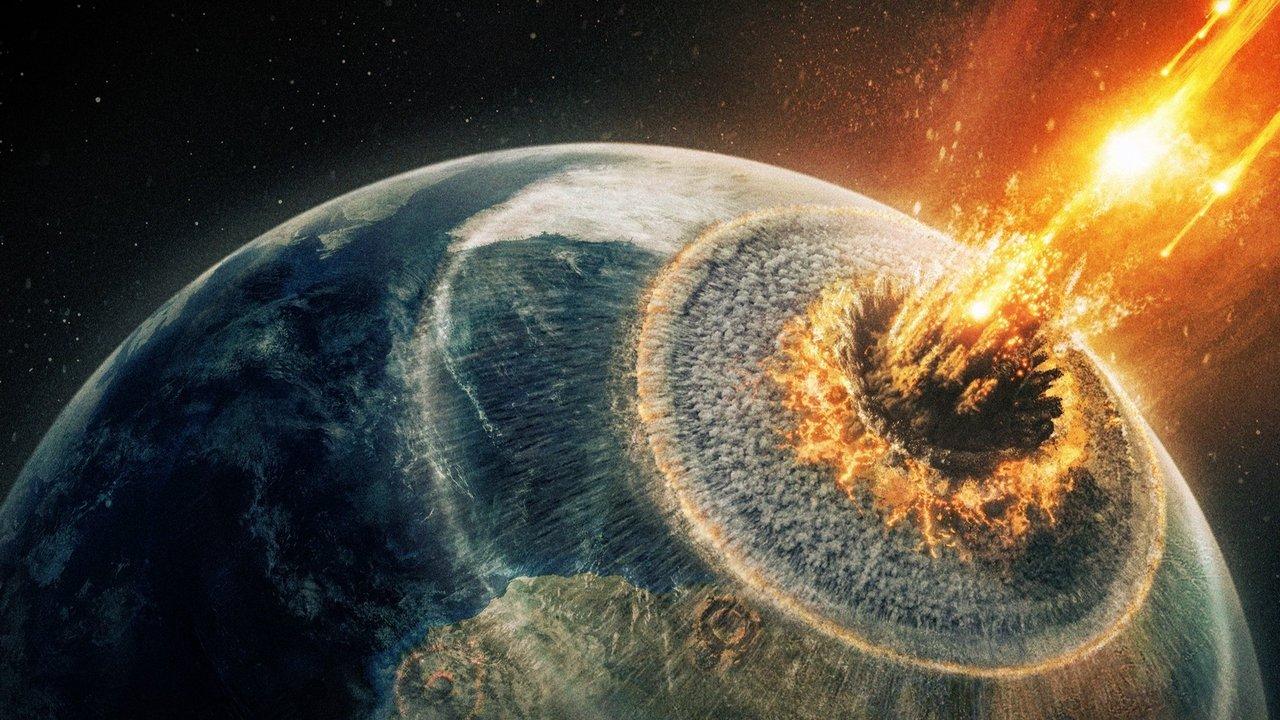
Greenland follows the story of John Garrity, played by Gerard Butler, who, alongside his estranged wife and young son, embarks on a perilous journey to seek refuge amid a worldwide cataclysm. The impending impact of a comet that threatens to destroy Earth serves as the central conflict, forcing the family to navigate through chaos while grappling with their own interpersonal challenges.
Thematic Elements
The film delves into themes of family, resilience, and sacrifice. Viewers witness the emotional turmoil of the characters as they face insurmountable odds, prompting a reflection on familial bonds during crisis situations. Additionally, it raises questions about governmental preparedness and societal response to natural disasters, striking a chord with audiences who are increasingly aware of environmental issues.
Reception and Critical Response
Although the movie received mixed reviews from critics, it thrived at the box office during the challenging times of the COVID-19 pandemic. Many praised its pacing and realistic portrayals of human emotions in life-and-death situations, while detractors noted clichés common in disaster films. Nonetheless, the overall reception affirmed its appeal, earning it a dedicated fan base and discussions about a potential sequel.
Conclusion
In conclusion, the Greenland movie not only provides thrilling entertainment but also serves as a catalyst for discussions surrounding climate change and societal resilience in the face of disasters. Its mix of personal struggle and large-scale catastrophe provides a sobering reflection on human vulnerability. As we continue to navigate an uncertain future marked by climate challenges, films like Greenland could inspire renewed conversations about preparedness and the significance of unity in times of despair. In the coming years, audiences may further engage with similar narratives that highlight the intersection of disaster and human perseverance.