Introduction
Robert Pires, a name synonymous with Arsenal Football Club, is celebrated not only for his technical skills and playmaking abilities but also for his contributions to the game during his prime. Born on October 2, 1973, in Reims, France, Pires’s journey in football showcases the evolution of a player who rose from modest beginnings to become one of the best wingers of his generation.
Early Career
Pires began his professional career with French club AS Nancy in 1992, where he quickly caught the attention of scouts due to his remarkable dribbling skills and tactical intelligence. His performances earned him a move to Olympique de Marseille in 1997. During his time at Marseille, he secured a Ligue 1 title and gained crucial experience on the European stage.
Stellar Years at Arsenal
In 2000, Pires joined Arsenal for a then-club record fee and was instrumental in the club’s success during his six seasons there. His partnership with Thierry Henry formed one of the most feared attacking duos in the Premier League. Pires helped Arsenal claim two Premier League titles and two FA Cups, most notably being part of the infamous ‘Invincibles’ squad in the 2003-2004 season, which went an entire league campaign unbeaten.
Pires was known for his ability to score key goals, provide assists, and contribute to the team’s overall dynamic. He was awarded the PFA Players’ Player of the Year in 2002, further solidifying his status as one of the league’s top players. His iconic celebration and adeptness at scoring crucial goals in high-pressure moments became legendary.
International Career
On the international front, Pires earned 72 caps for the French national team, contributing to France’s success at the 1998 FIFA World Cup and the UEFA Euro 2000, where he also took part in the famed global triumph. His creativity and flair on the ball helped shape the identities of the teams he played for.
Later Career and Retirement
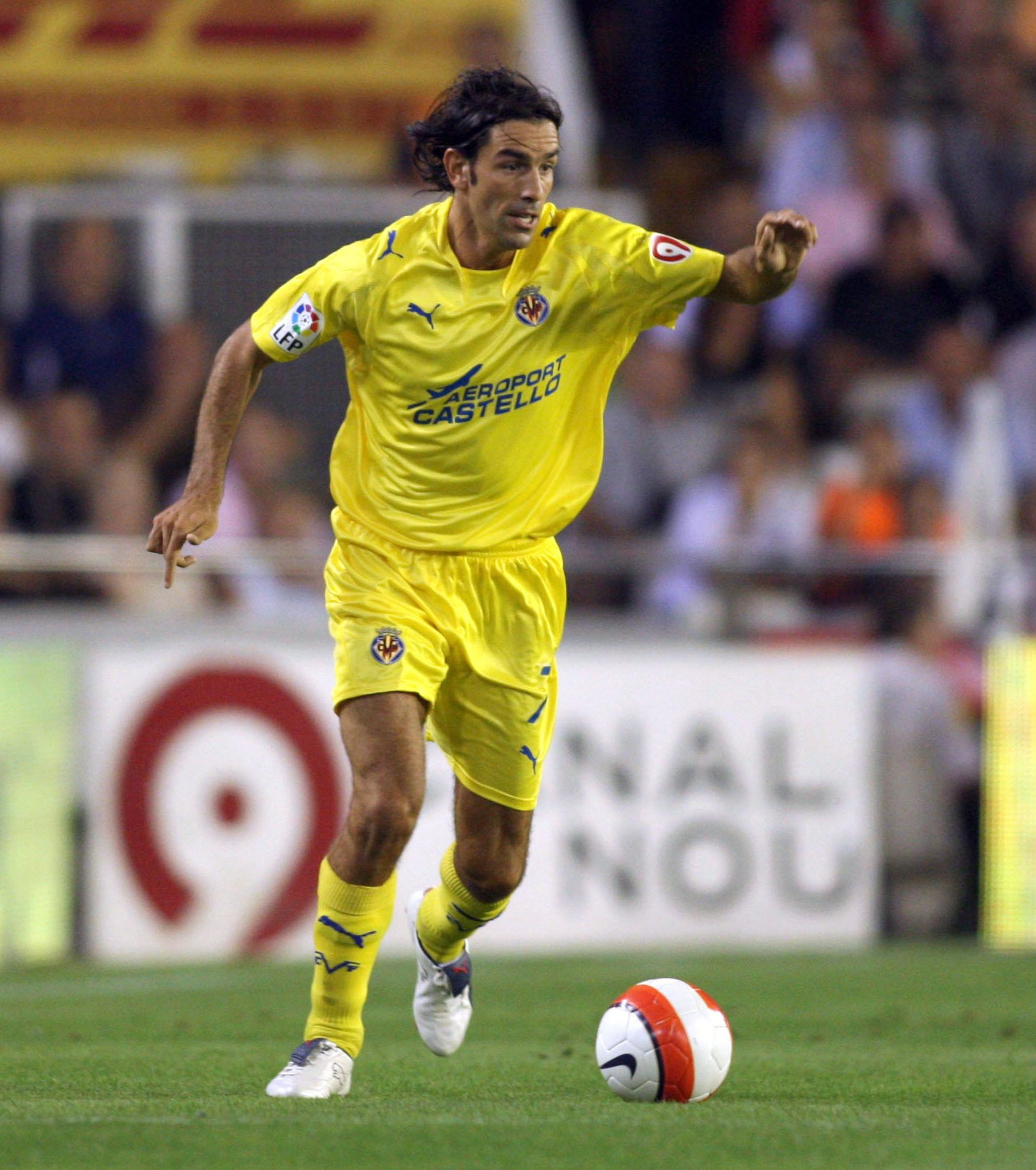
After leaving Arsenal in 2006, Pires had spells at Villarreal in Spain where he continued to showcase his class before eventually returning to England to join Aston Villa. He retired from professional football in 2012. Post-retirement, Pires has remained active in football, taking on ambassadorial roles and participating in various exhibitions and charity matches.
Conclusion
Robert Pires stands as a testament to talent, hard work, and the sheer love of football. His time at Arsenal marks a golden era in the club’s history, and his influence on the game continues to be felt. As football evolves, Pires’s legacy is likely to inspire future generations, encouraging young players to strive for excellence and embrace the beautiful game. The story of Pires is a reflection of triumph both on and off the pitch, reminding fans of the thrill of football and the characters that shape it.